Burundi : Trois agences onusiennes s’alarment sur l’insécurité alimentaire
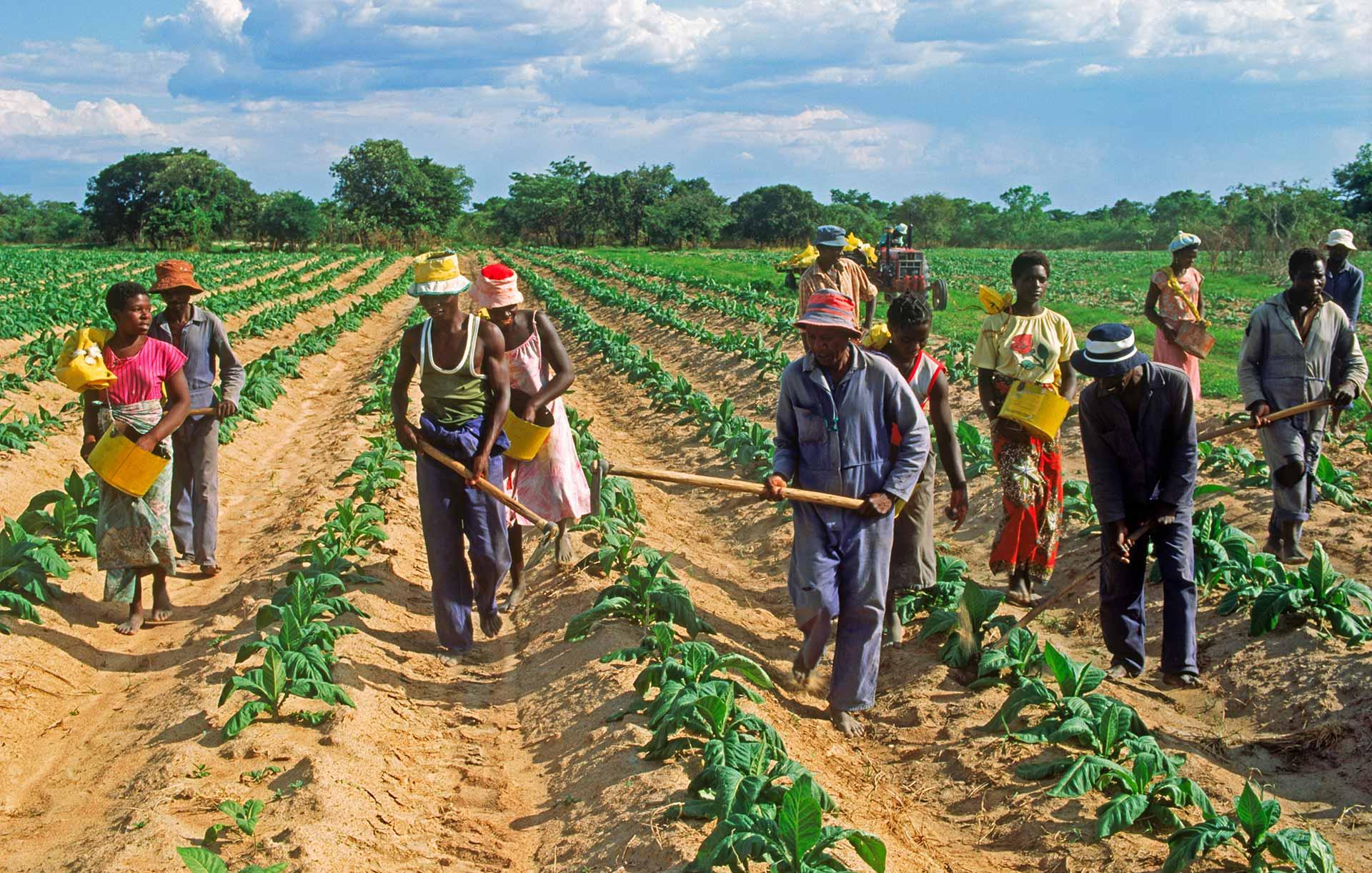
Au Burundi, le manque des semences de qualité affecte la production locale dans le pays. Surface des terres cultivables, maladies, croissance démographique, chocs climatiques, manque d’équipement et de formation, habitudes alimentaires etc. En effet, pour faire face à ces chocs, ces agences des Nations unies encouragent la population à produire…
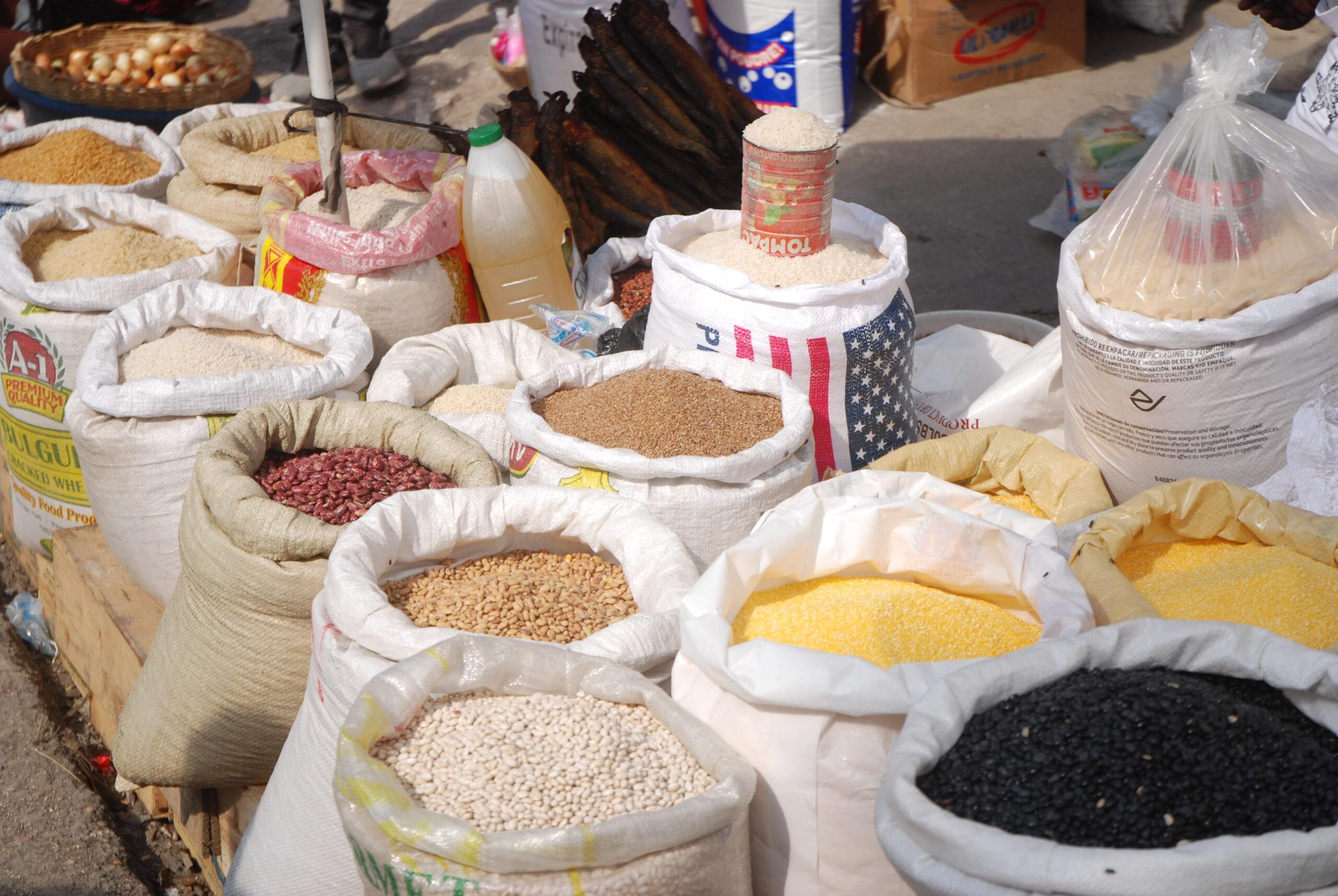
En date du 25 mai 2022, le PAM, le FIDA et la FAO ont démontré comment renforcer la sécurité alimentaire au Burundi, cela grâce aux différents projets qu’ils ont abordés dans leur nouveau plan stratégique pour 2022-2023. « Renforcer l’agriculture et le secteur privé dans leurs capacités à mieux nourrir qualitativement et quantitativement la population », présenté par Houssaini, Taal représentant de PAM au Burundi.
« Afin de faire face à l’installe dans le pays, le PAM a mis en œuvre des mécanismes, dont l’augmentation des achats locaux en stimulant la production locale. Ensuite avec des formations en gestion post-récolte et des équipements pour les coopératives de petits agriculteurs. Promouvoir les contrats d’utilisation avec les producteurs locaux, y compris avec les coopératives soutenues par le PAM. Et avec l’Agence Nationale de Gestion du Stock de Sécurité Alimentaire (ANAGESSA) pour acheter des stocks alimentaires produits localement », a présenté M. Houssaini Taal.
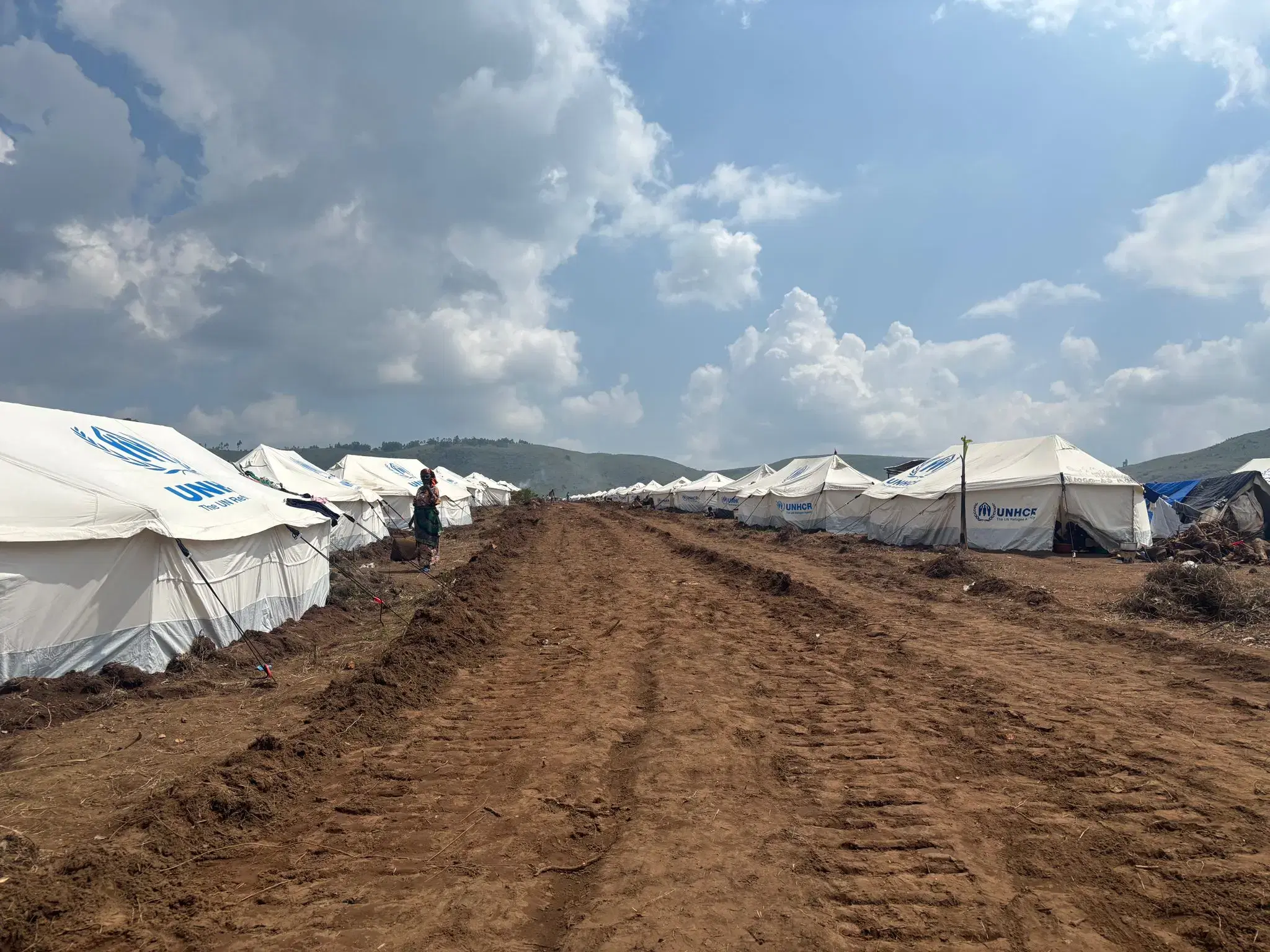
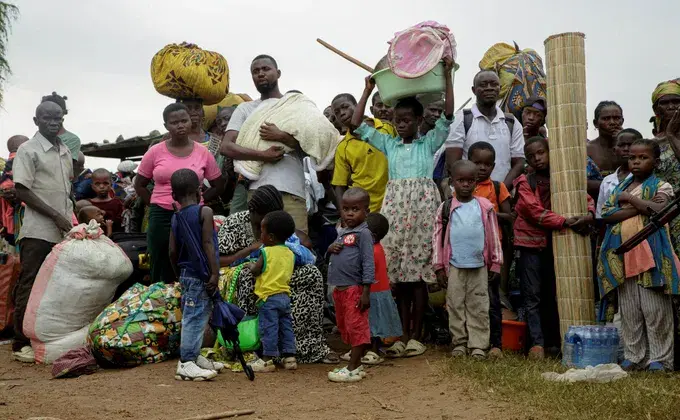
A lire : Women of Faith au chevet des déplacés de guerre vivant dans la ville d’Uvira
Est-il important d’améliorer la production locale ?
Pour renforcer la sécurité alimentaire, les NU promeuvent l’idée d’encourager la production locale au Burundi. Cela permettrait l’augmentation de la production des revenus des producteurs, tout en nourrissant plus de personnes avec une nourriture de qualité.
D’ici 2022-2027, le FIDA est intéressé à l’entreprenariat des jeunes ruraux, d’avoir l’accès aux coopératives, au financement et au marché. Il a trois objectifs stratégiques notamment l’amélioration, la collectivité et la durabilité. La résilience climatique de petite exploitation agricole de la croissance, c’est la valeur ajoutée à la participation des marchés des femmes et aux jeunes ruraux, a confirmé Dagmawi Habte Selassie, représentant du FIDA.
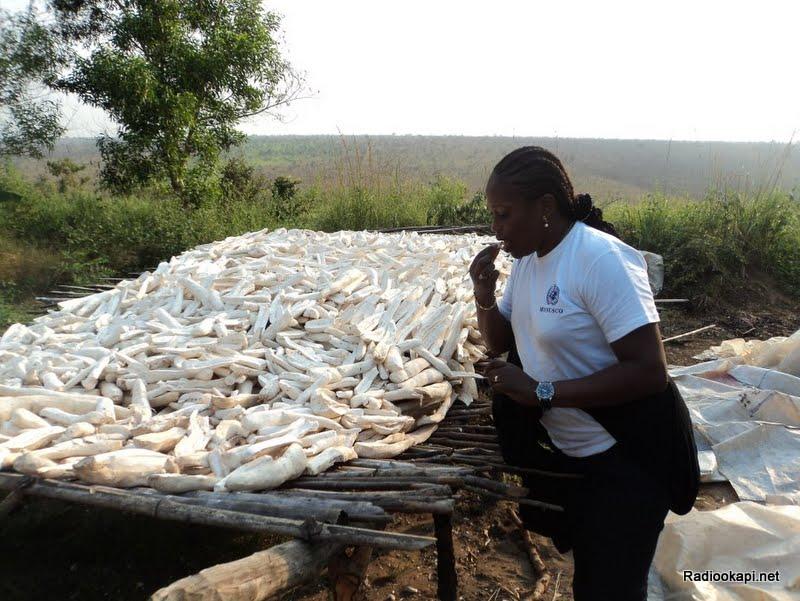
Au cours des trente dernières années, la FAO a travaillé sur 15 provinces, sur les 18 que compte le Burundi. Et nous avons donné un appui aux 142.000 ménages agricoles et 342 tonnes de semences vivrières de qualité.
En 2020-2021, la FAO a donné des kits qui ont trouvé des résultats intrants de 146.000 multiplicateurs de semences, pour la production agricole, animale, forestière et éléatique. Nous les avons distribuées dans différentes provinces, après avoir observé qu’il y avait une pénurie de semences de bonne qualité.
A lire aussi : République du Burundi : Analyse de l’insécurité alimentaire aiguë – avril – septembre 2022 (Publié le 3 juin 2022)
Kiza Mulongecha
Mjadala
- Bado hakuna maoni. Kuwa wa kwanza.
Afrika kila asubuhi katika sanduku lako
Habari muhimu zilizoteuliwa na wahariri wetu. Jumatatu hadi Ijumaa.
Kwa kujiandikisha, unakubali sera yetu ya faragha.
Zinazohusiana