Article
Preparing the article…
If a translation is needed, this may take a few seconds.
If a translation is needed, this may take a few seconds.
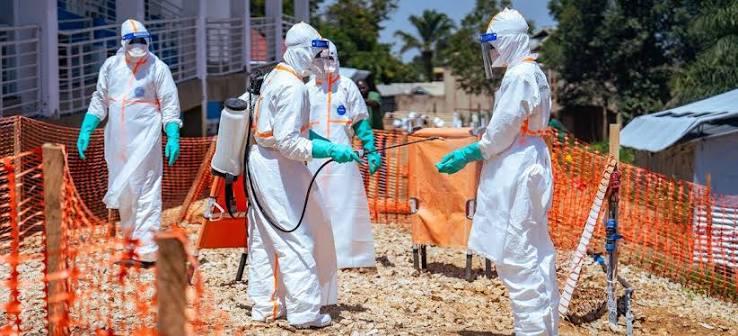
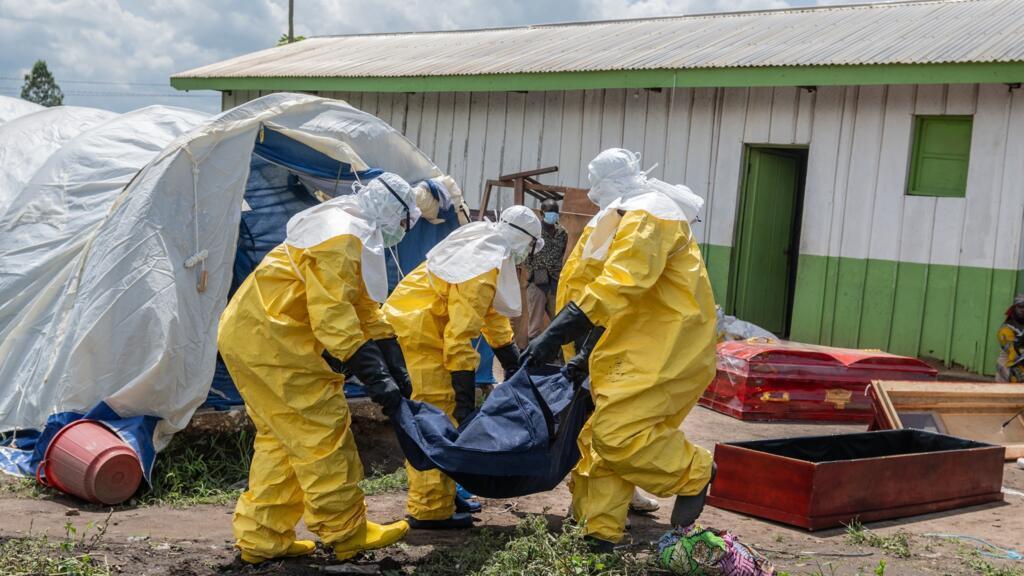
In response to the resurgence of the Ebola epidemic in Ituri, the World Health Organization (WHO) announces clinical trials for several candidate treatments and vaccines, marking a crucial step in the fight against this deadly disease.
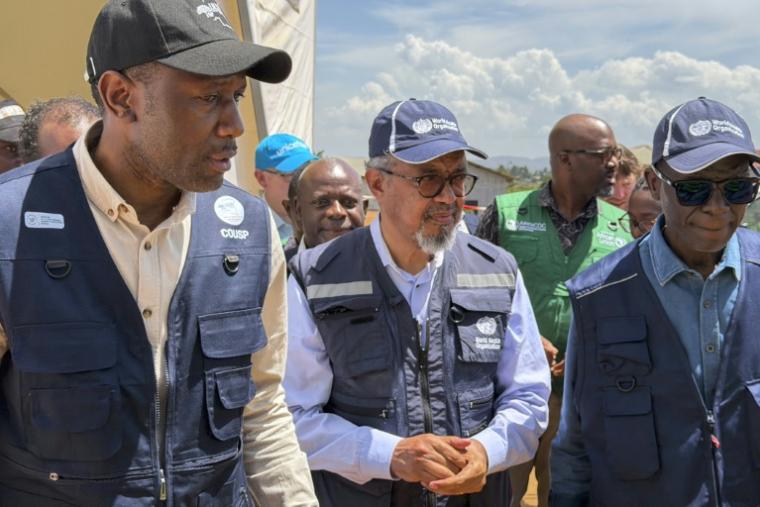
In the remote areas of Ituri, a province in northeastern Democratic Republic of Congo (DRC), the specter of Ebola is resurfacing. This time, it is the Bundibugyo strain that poses a threat, a variant feared for its virulence and rapid spread. In response to this persistent health threat, the World Health Organization (WHO), in partnership with the Congolese government and other international actors, has decided to launch a series of clinical trials to test the efficacy of new vaccines and treatments.
The recent announcement from the WHO comes as the DRC grapples with its seventeenth Ebola outbreak. According to data provided by Congolese health authorities, several cases have been confirmed in Ituri, highlighting the urgency for an adequate medical response. The decision to conduct these clinical trials now is not incidental. It reflects a proactive strategy aimed at quickly stemming the spread of the virus while exploring sustainable therapeutic solutions.
According to an official statement from the WHO, these clinical trials are designed to rigorously evaluate several promising vaccine candidates and treatments. Advisory groups within the organization have emphasized the urgent need for these tests in the current context where the number of cases continues to rise. "It is a race against time," stated a WHO spokesperson, stressing that every day counts in saving lives.
Medical teams on the ground, supported by the Congolese Ministry of Health, are already mobilized to implement these trials. The main objective is to obtain rapid results that could radically transform our approach to Ebola. "We hope that these initiatives will not only help control this specific outbreak but also improve our preparedness for future health crises," explained a ministry official.
In parallel, the WHO continues its efforts to strengthen local infrastructures for epidemiological surveillance. The situation is further complicated by limited resources and insecurity prevailing in some areas affected by the virus.
Historical Context and Logistical Challenges
Recent history reminds us how difficult it is to contain Ebola in the DRC. Since the first appearance of the virus in the 1970s near the Ebola River — which gave it its name — the country has faced several devastating epidemic waves. Each episode has highlighted not only the logistical challenges related to accessing remote areas but also the gaps in local health systems.
During previous outbreaks, notably the one that extended from 2018 to 2020, significant advances were made thanks to the introduction of the rVSV-ZEBOV-GP vaccine. However, this time we are facing a different strain that may require distinct approaches. Current efforts aim not only to stop this immediate outbreak but also to lay the groundwork for better future health resilience.
The DRC has often been a complex terrain for international health interventions due to its vast, hard-to-reach territories and sometimes politically unstable conditions. Active rebel movements in certain regions add an additional layer of difficulty to the efforts deployed to combat Ebola.
Another major challenge lies in the chronic lack of adequate health infrastructure. Medical centers are often under-equipped and severely lack trained personnel to handle health emergencies such as Ebola. This necessitates ongoing investment not only in physical infrastructure but also in the training of local healthcare staff.
A Vigilant International Community
While researchers hope to obtain rapid positive results that could transform our understanding and management of Ebola, the international community remains vigilant regarding ongoing developments in the DRC. Organizations such as Médecins Sans Frontières (MSF) and the Global Fund are ready to intervene if necessary to provide their technical expertise or additional financial resources.
Ebola knows no borders; thus, this is indeed a global issue requiring intercontinental solidarity as well as seamless coordination among all involved actors to collectively put an end to the infernal cycle caused by this deadly virus.
The economic implications are also significant; each new outbreak is costly not only in direct financial terms but also in its repercussions on the already fragile local economy. The necessary restrictions to contain the virus often severely disrupt normal economic activities such as trade or even simply local agriculture, which many poor rural families depend on living around affected areas.
Thus, during the current crisis in Ituri, many farmers are unable to sell their products in regional markets due to a lack of secure transportation, while local traders see their clientele drastically decrease following the confinement measures imposed by health authorities to control the spread of the disease.
Our editors' picks of what matters. Monday to Friday.
By subscribing, you accept our privacy policy.