Article
Preparing the article…
If a translation is needed, this may take a few seconds.
If a translation is needed, this may take a few seconds.
Community structures warn of the consequences of the destruction of Ebola treatment centers in Ituri, exacerbating the health crisis.
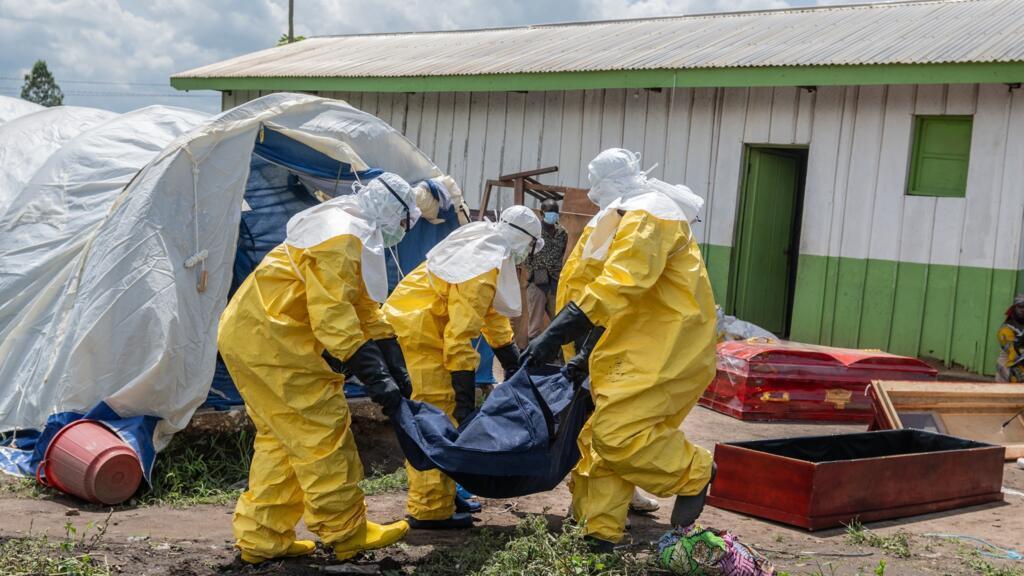
Recent acts of vandalism against Ebola treatment centers in Ituri, Democratic Republic of Congo, raise major concerns regarding the health security of the populations. During the night of May 22 to 23, a fire ravaged the facilities for managing Ebola cases in Mongbwalu, a situation condemned by AKONGO ADOSO Asbl, a cultural and development association that brings together members of the Nyali community.
This association expressed its outrage at these destructive acts during a press conference held on May 26. They called on the provincial government to act quickly to find the perpetrators of these fires and urged armed groups active in the region to respect the health measures put in place by the authorities.
“We make a solemn appeal to the armed groups present in our entity to allow humanitarian agents free passage,” stated a representative of the association. This request underscores the urgency of ensuring the safety of medical teams fighting against this deadly disease.
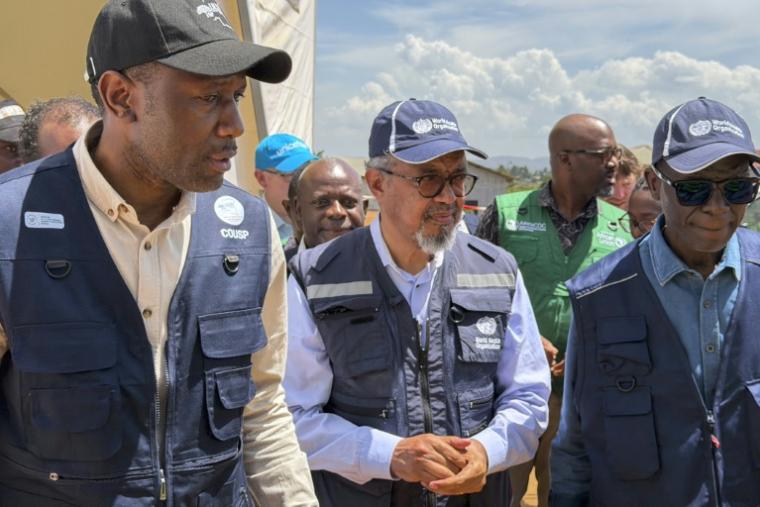
The deputy provincial coordinator of the national Ebola virus eradication program also denounced these acts of violence. In an interview with a local correspondent from Actualité.cd, he reminded that the destruction of health facilities compromises not only the treatment of patients but also increases the risk of virus spread throughout the province.
The situation in Ituri is particularly concerning. According to France24, a new outbreak of Ebola has been declared in this region, which has become the epicenter of the epidemic. Health authorities are mobilizing to contain the spread of the virus, but acts of vandalism hinder their efforts.
Humanitarian organizations, including the International Committee of the Red Cross (ICRC), have expressed their willingness to provide assistance to affected communities. However, without a secure environment to operate, their interventions risk being limited. The ICRC recently announced measures to support local efforts in the face of this health crisis.
In light of this alarming situation, it is imperative that all stakeholders commit to protecting medical infrastructure and respecting the work of health professionals. The lives of many people now depend on their ability to intervene unhindered in this essential fight against Ebola.
Our editors' picks of what matters. Monday to Friday.
By subscribing, you accept our privacy policy.