Article
Preparing the article…
If a translation is needed, this may take a few seconds.
If a translation is needed, this may take a few seconds.
More than 2,500 cases of Ebola have been recorded in the Democratic Republic of Congo, with the epidemic risk classified as 'very high' at the national level.
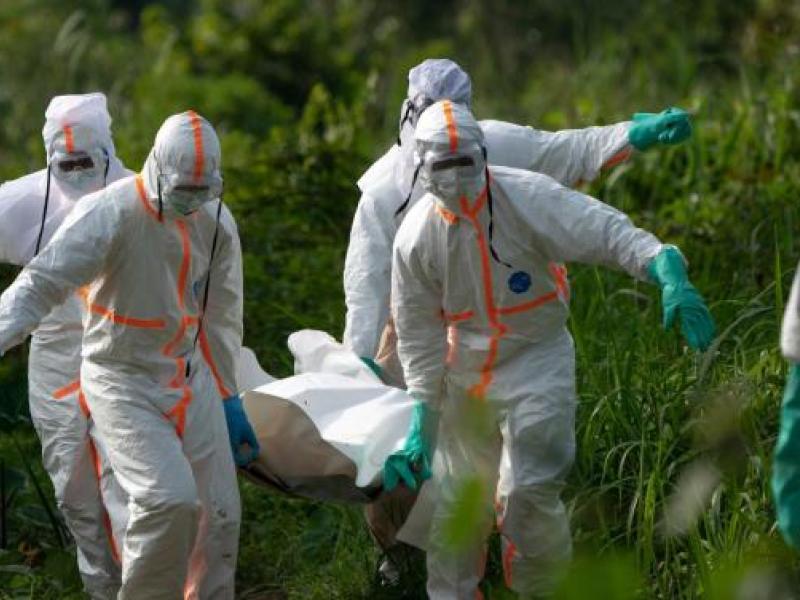
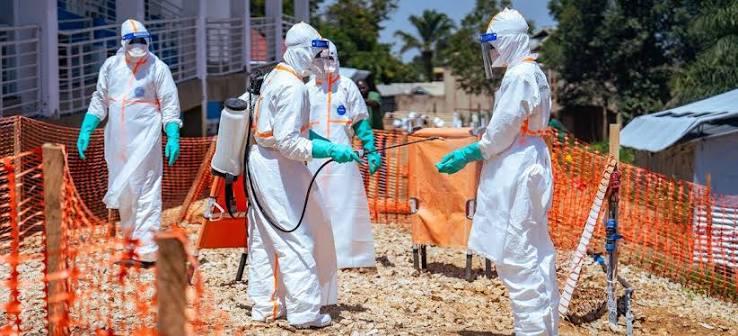
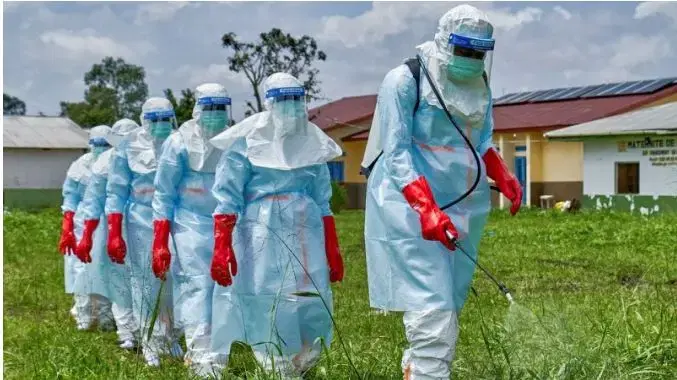
In the east of the Democratic Republic of Congo (DR Congo), the Ebola epidemic continues to spread at an alarming rate. According to the latest reports from the Ministry of Health, more than 2,500 cases have been confirmed, with an increasing number in North Kivu province, a region already weakened by ongoing conflicts.
The latest toll reports several new infection hotspots, prompting the World Health Organization (WHO) to classify the epidemic risk at the national level as 'very high'. This classification is particularly concerning as it highlights the difficulties faced by medical teams in containing the disease in a context where insecurity hampers health interventions.
Medical sources indicate that since the beginning of this epidemic, more than 1,700 people have succumbed to the disease. The situation is exacerbated by a lack of access to care in some rural areas and a growing distrust among the population towards health authorities, often perceived as ineffective or corrupt.
LE JOURNAL.AFRICA reported in March that the epidemic had surpassed the threshold of 1,000 cases. Since then, the trend appears to have worsened, with significant increases in new cases reported each week. According to a statement from the WHO, more than 100 new cases have been recorded in recent weeks.
Public health experts emphasize that to curb this outbreak, it is crucial to improve sanitary conditions and increase awareness among local communities. Vaccination programs also need to be intensified to protect at-risk populations.
The situation in North Kivu is further complicated by tensions between various armed factions operating in the region. These conflicts not only compromise the response efforts to the epidemic but also endanger humanitarian workers on the ground.
Congolese authorities are calling for increased international mobilization to address this health crisis. The international community is urged to provide not only financial resources but also logistical support to facilitate access to affected areas.
The immediate future remains uncertain as the virus continues its destructive course. The coming weeks will be critical for controlling this epidemic and protecting vulnerable lives in this region already plagued by suffering.
Our editors' picks of what matters. Monday to Friday.
By subscribing, you accept our privacy policy.