Inkuru
Iriko ihindurwa…
Niba ihinduka rikenewe, bishobora gufata amasegonda makeyi.
Niba ihinduka rikenewe, bishobora gufata amasegonda makeyi.
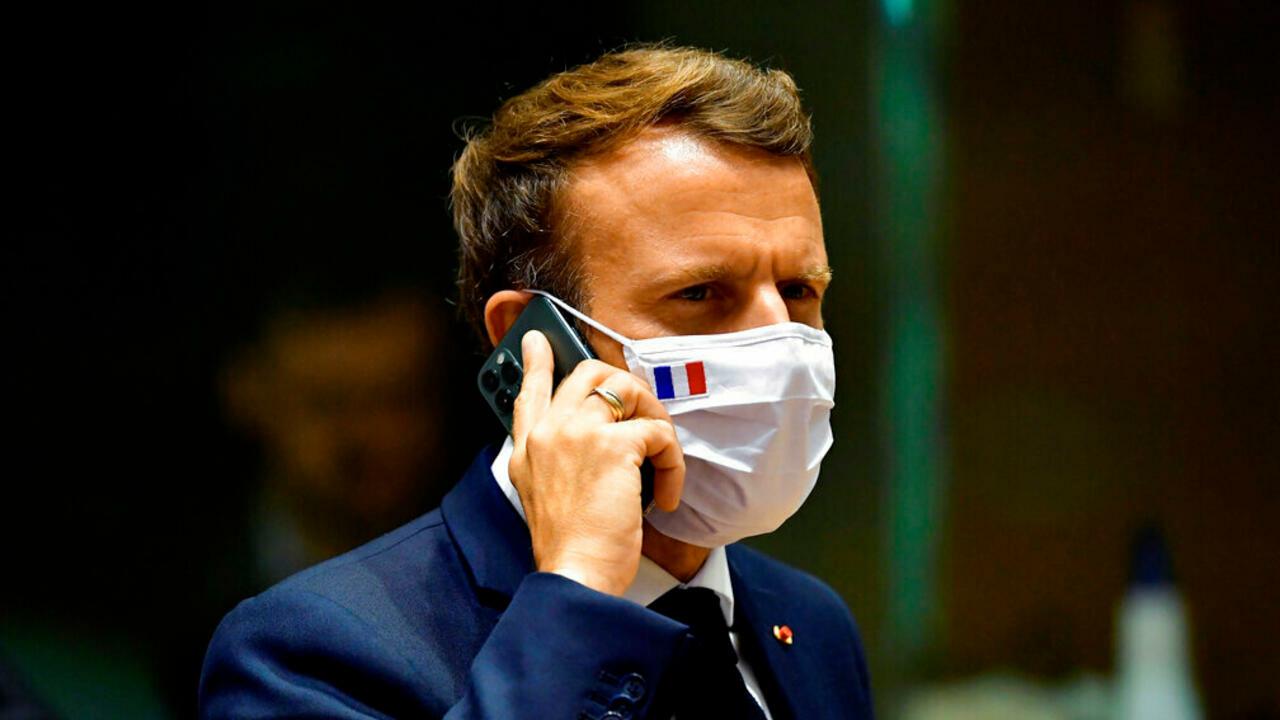
Des numéros du président français Emmanuel Macron et de membres du gouvernement figurent sur une liste de cibles potentielles du logiciel Pegasus, utilisé par certains États pour espionner des personnalités, a déclaré mardi Laurent Richard, directeur de l’organisation Forbidden Stories, confirmant une information du Monde. Selon le journal Le Monde, l’un…

Selon le journal Le Monde, l’un des numéros de téléphone du président Emmanuel Macron, ainsi que celui de l’ancien Premier ministre Édouard Philippe et de 14 membres du gouvernement, figurent « dans la liste des numéros sélectionnés par un service de sécurité de l’État marocain, utilisateur du logiciel espion Pegasus, pour un potentiel piratage ». Parmi eux, le ministre des Affaires étrangères Jean-Yves le Drian, l’ex-ministre de l’Intérieur Christophe Castaner ou encore le ministre de l’Économie Bruno Le Maire. Des parlementaires ou personnalités politiques françaises sont également ciblés.
Le numéro du président français serait utilisé régulièrement par Emmanuel Macron depuis au moins 2017 et jusqu’à récemment, selon le quotidien.
« On a trouvé ces numéros de téléphone, mais on n’a pas pu faire d’enquête technique évidemment sur le téléphone d’Emmanuel Macron » pour vérifier s’il a été infecté par ce logiciel et donc « cela ne nous dit pas si le président a été réellement espionné », a expliqué le directeur de Forbidden Stories, sur la chaîne d’info LCI. Mais selon lui, que le président ait été ou pas espionné, cela « montre en tout cas qu’il y a eu un intérêt de le faire ».
► À lire aussi : Pegasus: en France, le parquet de Paris annonce ouvrir une enquête sur l’espionnage au profit du Maroc
« Si les faits sont avérés, ils sont évidemment très graves. Toute la lumière sera faite sur ces révélations de presse », a réagi la présidence, interrogée par l’AFP pour savoir si le chef de l’État avait été « potentiellement espionné » via Pegasus.
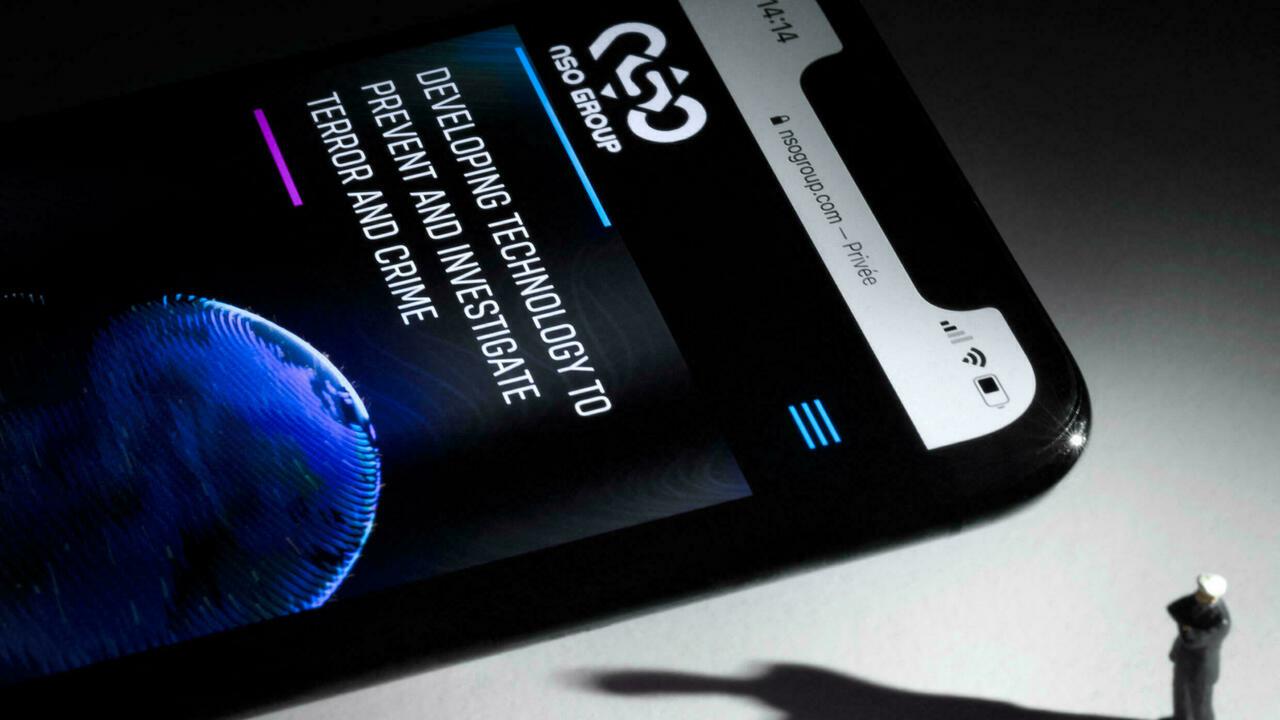
De son côté l’entreprise israélienne NSO – qui commercialise Pegasus – assure que jamais le président français n’aurait pu être pris pour cible, mais là encore impossible de vérifier les dires, car la firme n’a pas accès aux données de ses clients.
Dans un communiqué transmis au « Projet Pegasus », NSO affirme que : « Emmanuel Macron n’a pas, et n’a jamais été, une cible ou sélectionné comme telle par des clients ». Mais NSO ne précise pas sur quoi se base cette affirmation.
Selon les enquêteurs des différents médias qui ont travaillé sur cette affaire Pegasus, on le rappelle, l’Etat marocain est un utilisateur de ce logiciel espion. Ce que Rabat a démenti lundi. Le Maroc aurait mis sur écoute environ 10 000 numéros dont 10% en France.
Autre information concernant le Maroc, venant cette fois de la cellule d’investigation de Radio France, partenaire du consortium de médias internationaux, le roi Mohammed VI lui-même et son entourage serait sur la liste
Forbidden Stories et l’association Amnesty International ont obtenu une liste de 50 000 numéros de téléphone sélectionnés par les clients de NSO depuis 2016 pour une surveillance potentielle et l’ont partagée avec un consortium de 17 médias qui ont révélé son existence dimanche.
► À lire aussi : Pegasus, un logiciel israélien utilisé pour espionner journalistes et militants dans le monde
L’espionnage entre États, une pratique qui n’est pas nouvelle
Après la chancelière allemande Angela Merkel et l’ancienne présidente du Brésil Dilma Rousseff, des documents de la NSA mis en ligne en 2015 par Wikileaks révèlent l’étendue de la surveillance du renseignement américain en France. Paris, le plus vieil allié des États-Unis comme aime le souligner à l’époque l’ancien président Barack Obama. Pendant au moins six ans, trois présidents, Jacques Chirac, Nicolas Sarkozy et François Hollande ont été écoutés. Mais aussi toutes les strates de l’administration française : des ministres aux conseillers, en passant par les diplomates.
Après ces révélations, la Maison Blanche est contrainte de préciser à la présidence française qu’elle n’est plus écoutée. Barack Obama promet même d’en finir avec ces pratiques.
L’affaire fait grand bruit, elle suscite un embarras diplomatique, des discussions qualifiées de « franches » entre les deux dirigeants, mais pas de véritable brouille. À Berlin aussi, l’enquête est classée rapidement.
« L’espionnage entre amis ça ne se fait pas », avait déclaré à l’époque la chancelière. Pourtant, ce renseignement a toujours existé et l’ensemble des pays espionnés a choisi de faire profil bas.
Amakuru ahambaye yatoranijwe n'abanditsi bacu. Kuva ku wa mbere gushika ku wa gatanu.
Mu kwiyandikisha, wemera politike yacu y'ibanga.