Article
Préparation de l'article…
Si l'article doit être traduit, cela peut prendre quelques secondes.
Si l'article doit être traduit, cela peut prendre quelques secondes.
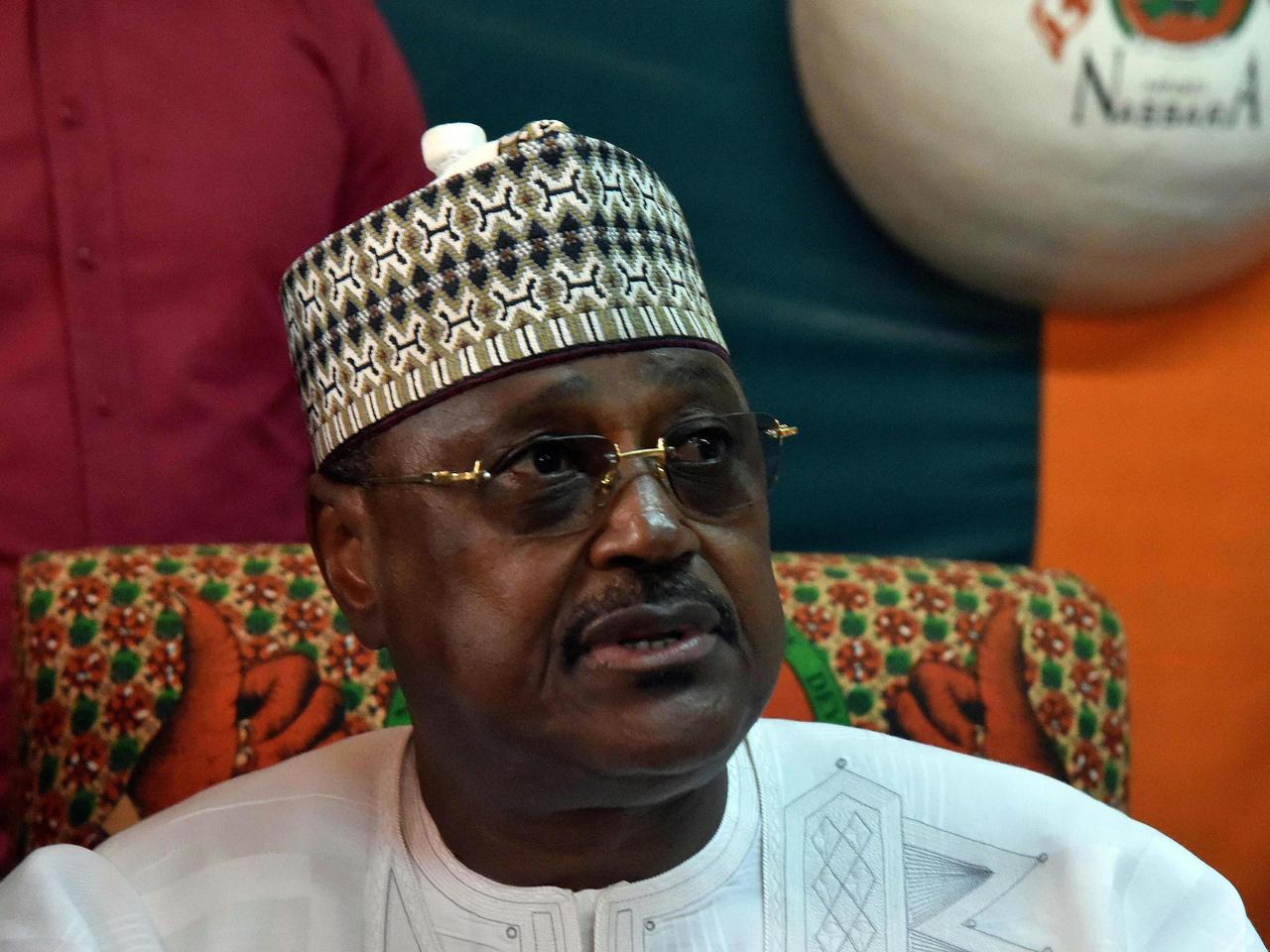
Le groupe État islamique revendique dans un communiqué l’attaque qui a visé, dans la nuit du 11 au 12 juin, le domicile du président de l’Assemblée nationale. Une attaque de petite ampleur : deux hommes à motos avaient tiré sur les gardes situés devant le bâtiment, avant de tenter sans succès de…
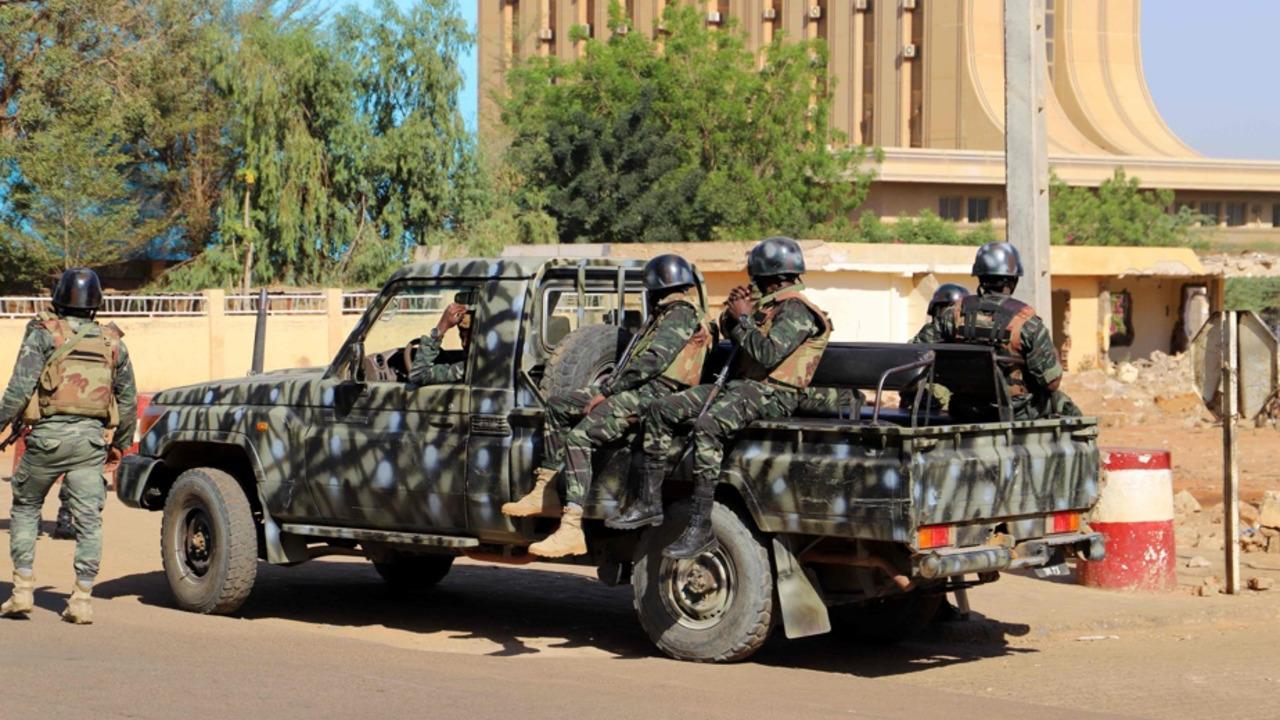
Démonstration de force inquiétante ? Ou revendication opportuniste, après les pertes subies, ces derniers jours, par le groupe État islamique au Grand Sahara sur le terrain ? Aly Tounkara, directeur du CE3S, le Centre des études sécuritaires et stratégiques au Sahel, décrypte cet événement au micro de David Baché.«
Il n’y a rien d’étonnant aujourd’hui à ce que l’État islamique ait des acteurs locaux, à partir de Niamey, afin que ceux-ci puissent s’attaquer aux différents symboles de l’État, les institutions militaires ou même politiques. Donc aujourd’hui, effectivement, cette indigénisation ou en tout cas cette territorialisation de l’insécurité, fait qu’aujourd’hui l’État islamique a, malheureusement, pas mal d’incursions dans les capitales sahéliennes aujourd’hui.
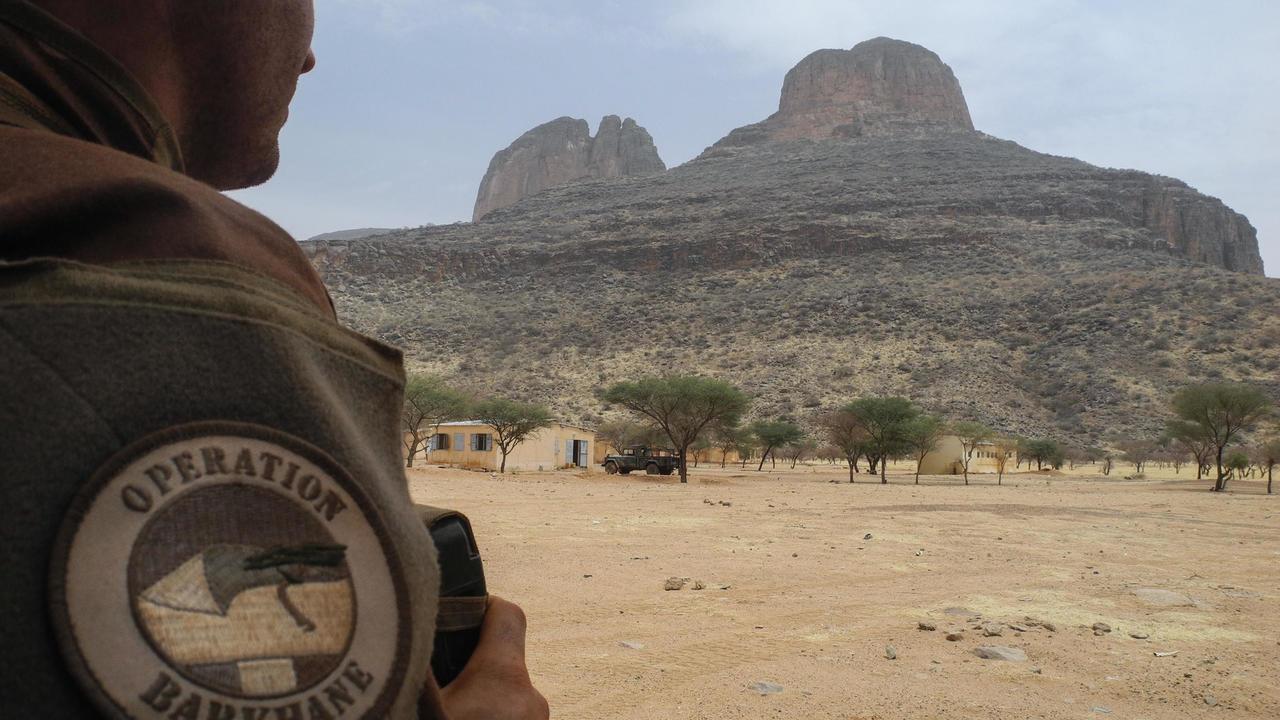
Cette revendication survient aussi après des revers récents infligés par l’armée nigérienne et par Barkhane au groupe État islamique. Cette revendication n’est-elle pas opportuniste, comme pour dire : on est encore là ?
La revendication ou l’attaque est opportuniste, parce qu’on ne sait pertinemment qu’aujourd’hui, c’est vrai, les États sahéliens ont du mal à offrir une sécurité de qualité aux différentes populations, mais en même temps l’État islamique prouve à suffisance combien il peut s’attaquer, quel que soit l’endroit, quels que soient les symboles. Donc c’est un signal fort, quand même, qui est adressé à la fois aux capitales africaines, mais dans le même temps aux différents partenaires également du Sahel, en l’occurrence la force Barkhane française.
► À lire aussi : Niger: attaque contre la résidence du président de l’Assemblée Seini Oumarou
Notre sélection des informations essentielles. Du lundi au vendredi.
En vous inscrivant, vous acceptez notre politique de confidentialité.