Article
Preparing the article…
If a translation is needed, this may take a few seconds.
If a translation is needed, this may take a few seconds.
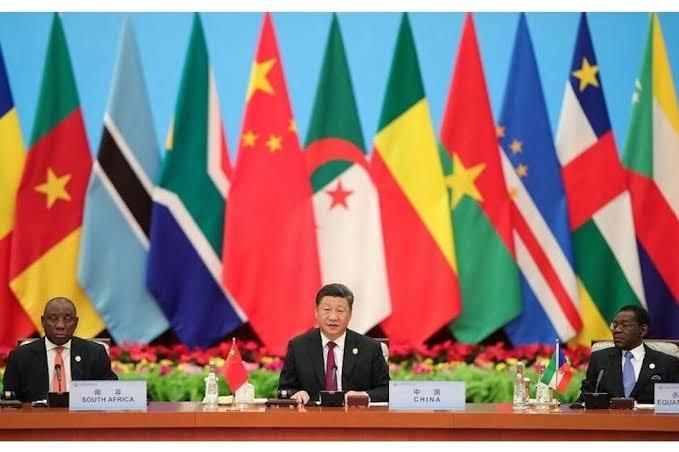
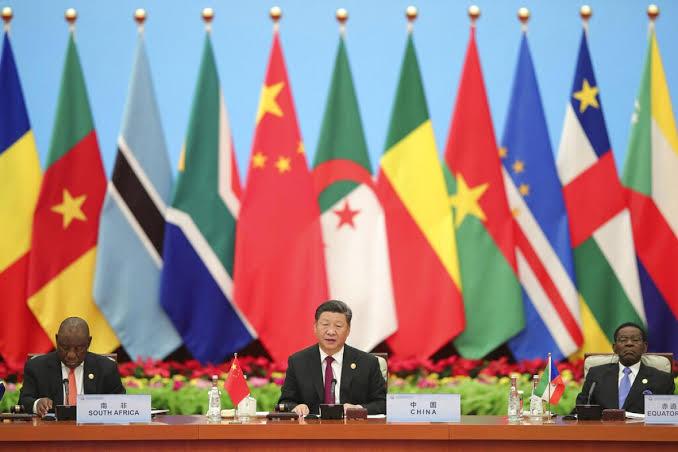
Since May 1, China has implemented a zero-tariff regime on imports from 53 African countries, a measure that could transform trade on the continent.
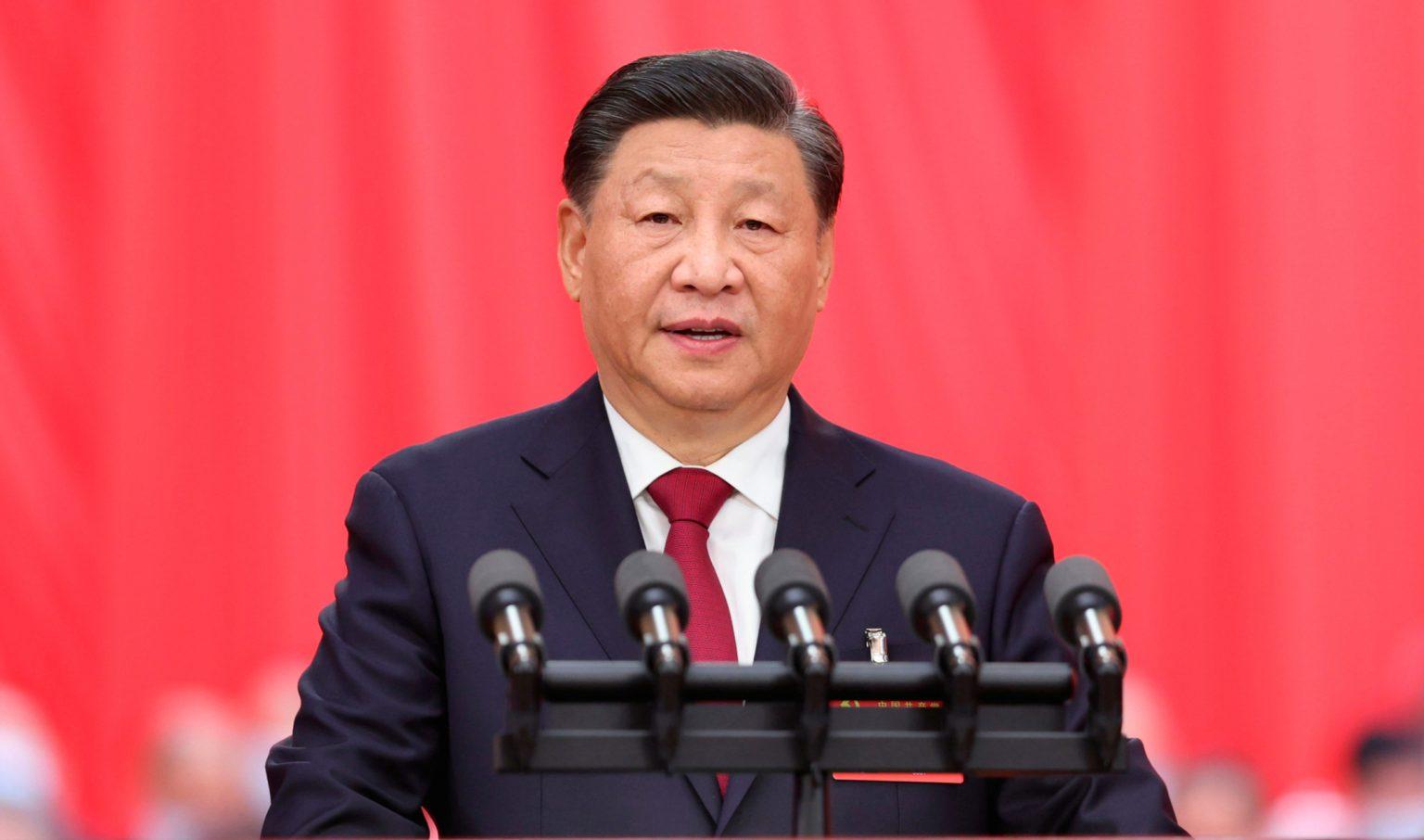
Since May 1, 2023, the People's Republic of China has eliminated tariffs on imports from 53 African countries. This decision marks a significant step in trade relations between China and Africa, allowing African products to more easily access the Chinese market.
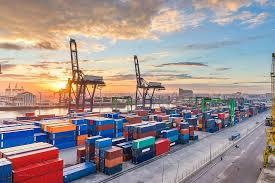
According to RFI, this initiative has been welcomed enthusiastically in Yiwu, a major trade hub located in eastern China. Chinese and African traders have already met there to exchange goods, benefiting from a substantial reduction in costs associated with tariffs. For example, a Zambian businessman managed to ship a container containing 800 bags of tea to his country for only 476 euros, a sum significantly lower than the fees previously imposed.
This new trade policy could also represent a turning point for the Ugandan economy. According to Bayo Oluguanle Atoyoobisa Bob Osoto, president of the Kampala Business Forum in Uganda and delegate to the China Africa Economic and Trade Cooperation Summit (CAETCS), small farmers could see their products enter the Chinese market directly without intermediaries or prohibitive import fees.
The economic implications of this decision are considerable. According to industry experts, the elimination of tariffs could stimulate intra-African trade and encourage foreign investment on the continent. However, some analysts warn against increased dependence on the Chinese market, noting that this opening could also enhance Beijing's economic influence in Africa.
The question remains: will this Chinese policy be sufficient to catalyze genuine sustainable economic development in Africa?
Our editors' picks of what matters. Monday to Friday.
By subscribing, you accept our privacy policy.