Article
Preparing the article…
If a translation is needed, this may take a few seconds.
If a translation is needed, this may take a few seconds.
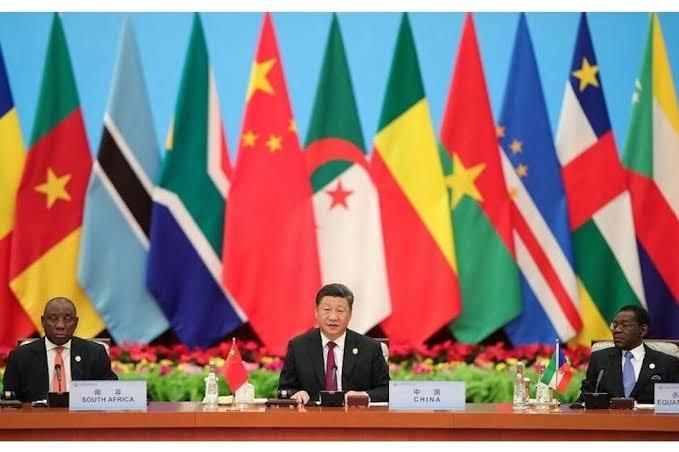
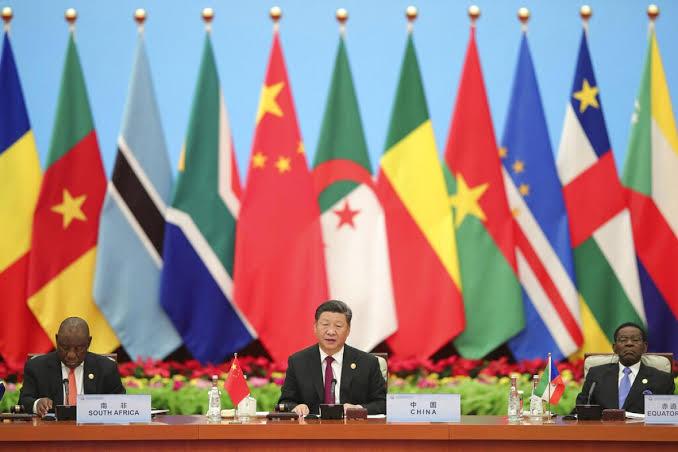
China's presence on the African continent is increasingly challenged by nationalist movements demanding better management of natural resources.

The dynamic between China and Africa is evolving. While Beijing has established itself as a major player in the exploitation of natural resources, a growing nationalist movement is questioning this extractivist model. According to a report from Courrier international, this tension is particularly palpable in countries like Zimbabwe, where authorities are seeking to strengthen their control over resources.
The concept of resource nationalism, which advocates for local and sustainable exploitation of natural wealth, is gaining traction across the continent. According to an analysis by g24news, several African states are adopting this strategy to ensure that the benefits derived from their resources primarily benefit their populations.
In Zimbabwe, the government has implemented restrictions aimed at capturing greater added value from its minerals. This policy translates into a requirement for Chinese companies to increase the share of local production and reduce unprocessed exports. As noted by Courrier international, these measures aim to overturn an unfavorable relationship dating back to the colonial regime.
Tensions are not limited to Zimbabwe. Other African countries are also expressing their desire to revise the terms of their cooperation with China. Authorities fear that extractivist practices could lead to a systematic plundering of their resources, leaving local communities in poverty. A previous report from JA highlighted that these concerns are fueled by a growing distrust of Chinese investments.
The restrictions imposed by some African governments are a significant blow to Chinese companies that have long benefited from near-unlimited access to resources. A statement from Courrier international emphasizes that these changes could redefine the economic landscape of the continent, favoring a more balanced and sustainable approach.
This evolution marks a turning point in Sino-African relations, once perceived as a win-win partnership. As resource nationalism asserts itself, China may be compelled to adapt its strategy on the continent. Economic and political stakes intertwine, making the future uncertain for both Beijing and the African countries involved.
Our editors' picks of what matters. Monday to Friday.
By subscribing, you accept our privacy policy.