Article
Preparing the article…
If a translation is needed, this may take a few seconds.
If a translation is needed, this may take a few seconds.
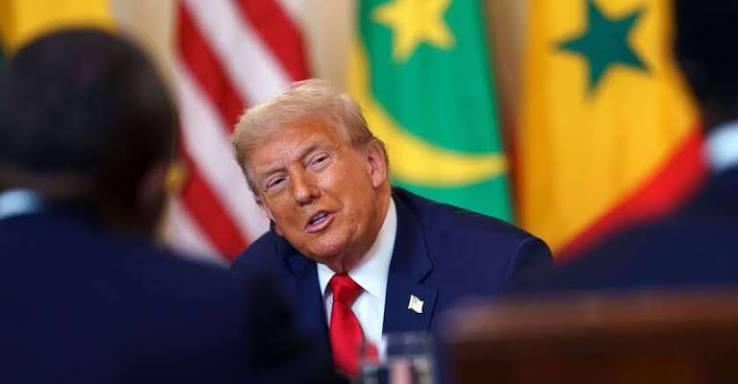
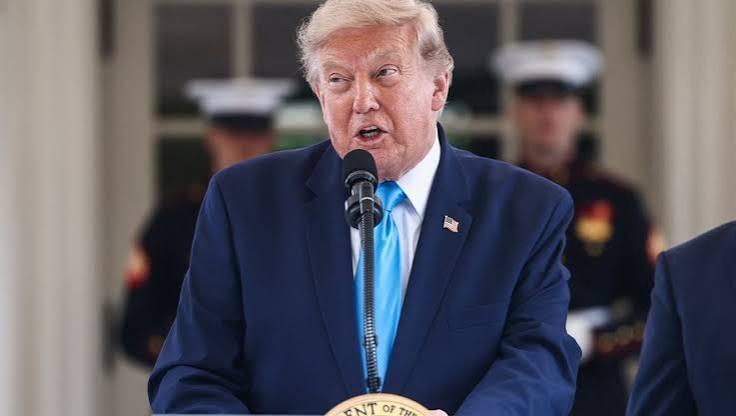
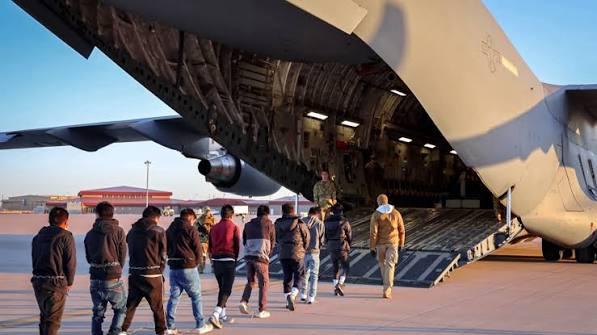
La politique de Donald Trump envers l'Afrique a été marquée par des décisions controversées, allant du renforcement des liens commerciaux à des expulsions ciblées.
En décembre 2020, la République Démocratique du Congo (RDC) a retrouvé son statut commercial préférentiel avec les États-Unis grâce à l'African Growth and Opportunity Act (AGOA), une décision prise par le président sortant Donald Trump. Cette loi, adoptée en 2000, permet aux pays d'Afrique subsaharienne d'exporter vers les États-Unis sans droits de douane, favorisant ainsi les échanges commerciaux.
Cependant, cette ouverture commerciale a été assombrie par des actions plus coercitives. En novembre 2019, Trump a exclu le Cameroun de l'AGOA en réponse aux violations des droits humains sous le régime de Paul Biya. Cette mesure punitive illustre une approche sélective de la diplomatie américaine en Afrique, où les enjeux des droits humains sont souvent mis en avant dans les décisions commerciales.
Le secrétaire américain adjoint au Commerce, Don Graves, a récemment plaidé pour un nouveau partenariat équitable avec les gouvernements africains, soulignant que l'administration Biden souhaite corriger le tir après une période de tensions sous Trump. Selon Graves, "les investisseurs ont souvent été déçus par le manque de transparence et la forte corruption qui gangrène encore trop souvent nos systèmes partenaires".
Cette volonté de renverser la tendance ne doit pas occulter l'héritage laissé par Trump. En effet, son administration a été critiquée pour son indifférence apparente envers l'Afrique, marquée par un manque de visites officielles et une nomination tardive d'un secrétaire d'État adjoint aux affaires africaines. Comme l'a noté un précédent reportage du JOURNAL.AFRICA, Trump a souvent été perçu comme ignorant les enjeux africains sur la scène internationale.
Les relations entre les États-Unis et le continent africain sont complexes et évolutives. Alors que certaines mesures comme le rétablissement de l'AGOA pour la RDC peuvent être perçues comme positives, elles sont contrebalancées par des actions qui semblent davantage motivées par des considérations géopolitiques que par un véritable désir de partenariat.
Our editors' picks of what matters. Monday to Friday.
By subscribing, you accept our privacy policy.