Article
Preparing the article…
If a translation is needed, this may take a few seconds.
If a translation is needed, this may take a few seconds.
Economic exchanges between Ankara and Bamako have tripled in a decade, with a predominance of Turkish arms exports raising questions about regional stability.

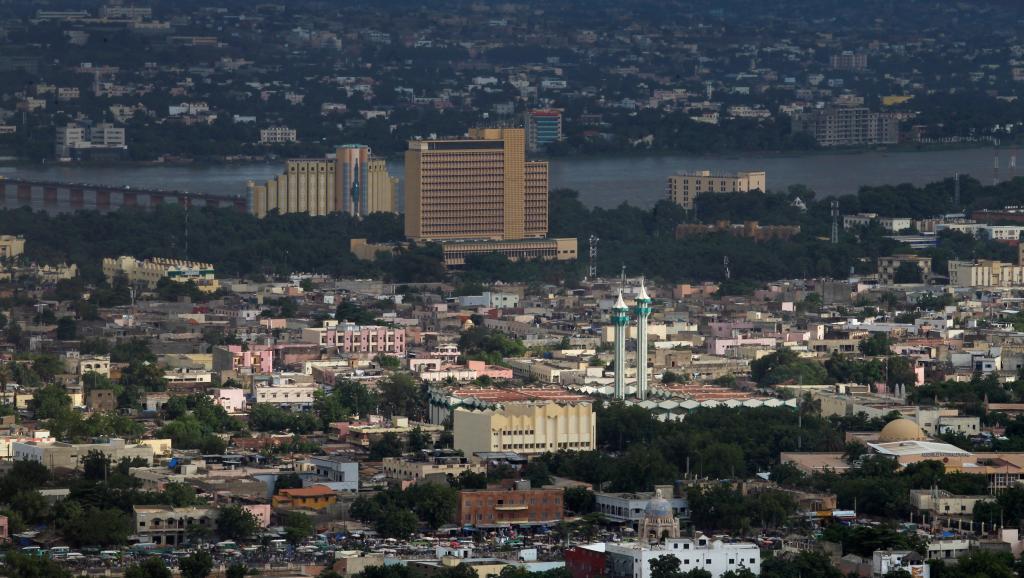
In the bustling markets of Bamako, Turkish products are increasingly visible, symbolizing a flourishing economic relationship between Turkey and Mali. According to a report from Le Monde, trade between these two nations has tripled over the past ten years, marking a new era in bilateral relations. This trend is part of a broader strategy by Ankara to expand its influence on the African continent, particularly in the Sahel region.
Since 2024, Turkish arms and ammunition have dominated exports to Mali. This development reflects Ankara's growing interest in the Malian market, as the country faces persistent security challenges exacerbated by the presence of armed and terrorist groups. According to several analysts, this dynamic could transform the security landscape of the region.
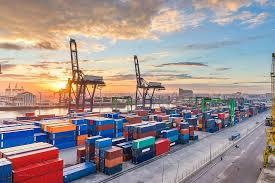
An Expanding Economic PartnershipMalian imports from Turkey reached 20 billion CFA francs last year, according to official data. This notable increase illustrates the growing interdependence between the two countries. The sectors involved extend beyond arms to include consumer goods and industrial equipment. Turkish President Recep Tayyip Erdoğan has shown marked interest in Mali, seeking to establish a strong partnership not only in security but also across various economic sectors.
Turkey's diplomatic initiatives also include offers of humanitarian assistance and development projects. These efforts aim to address the pressing needs of local populations while consolidating Turkish influence in the region. Turkey has financed several infrastructure projects and provided technical expertise in various fields.
Geopolitical Competition in the SahelTurkey's increasing engagement in Mali occurs within a complex geopolitical context where several international actors seek to strengthen their presence. Historically dominated by France, foreign influence in the Sahel is now contested by powers such as Russia and, increasingly, Turkey. A previous report from our editorial team highlighted these Turkish ambitions, which are developing despite an unstable regional environment.
For Ankara, Mali represents a strategic gateway to West Africa. By strengthening its trade ties while offering military and humanitarian assistance, Turkey hopes to position itself as an essential partner for Sahelian countries facing multiple challenges.
Implications for Regional StabilityHowever, this strategy raises questions about its long-term implications for regional stability. While some observers welcome Turkish engagement as a welcome alternative to traditional models of international aid, others fear increased dependence on a potentially expansionist new partner. Turkish military support could also exacerbate local tensions if mismanaged.
According to Reuters, some experts believe that the increase in arms exports could lead to greater militarization of the Malian conflict rather than its peaceful resolution. The question arises: to what extent can this dependence on foreign arms contribute to stabilizing or further destabilizing the country?
The Future of Turkish-Malian RelationsAs economic exchanges continue to grow between Ankara and Bamako, it will be essential for Malian leaders to carefully manage this relationship to maximize benefits without compromising their national sovereignty or internal stability. Investments in infrastructure and development must be balanced with responsible management of military support received.
In conclusion, Turkey's rise in Mali reflects not only an evolution in bilateral relations but also a potential redefinition of geopolitical alliances in West Africa. As these ties strengthen day by day, their impact on the ground deserves particular attention for both their immediate economic benefits and their long-term political implications.
Our editors' picks of what matters. Monday to Friday.
By subscribing, you accept our privacy policy.