Article
Preparing the article…
If a translation is needed, this may take a few seconds.
If a translation is needed, this may take a few seconds.
As elections approach, the Patriots warn of a climate of repression and growing insecurity in the Chadian capital.
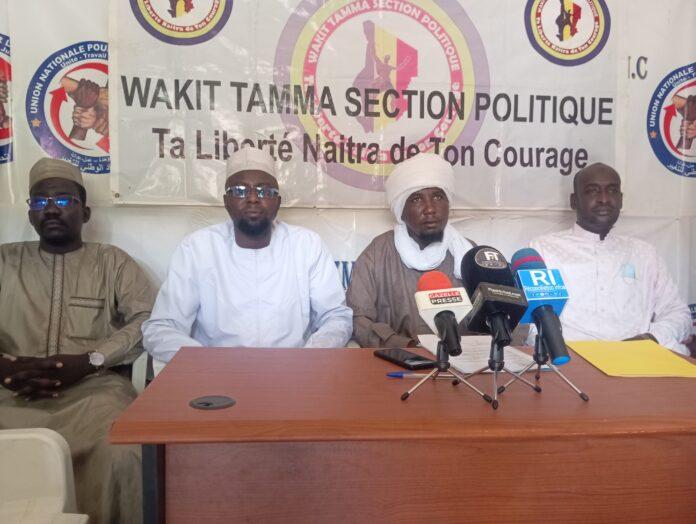
“We are at a critical turning point,” said the president of the Patriots during a press conference in N'Djamena, expressing his deep concerns about the current political situation in Chad. This party, a member of the former Group of African Leaders for Change (GCAP), warns of a gradual erosion of civil liberties as elections loom on the horizon.
Tensions are escalating as the country prepares for elections. According to several local sources, security forces have been massively deployed in several neighborhoods of the capital, raising fears of increased repression. The leader of the Patriots publicly urged President Idriss Déby Itno to moderate security measures. “It is essential that these elections take place in a serene atmosphere,” he insisted.
This is not the first time Chad has experienced such political unrest. In August 2019, we documented the establishment of a state of emergency in certain regions of the country, a direct consequence of conflicts between herders and farmers. This measure had already raised concerns about the respect for civil rights.
The current climate is exacerbated by the recent arrests of opposition political figures. In April 2021, several party leaders and activists were arrested by authorities on the grounds that they were planning disruptive actions for the elections. These arrests have intensified the divide between the government and its opponents, who are demanding greater transparency and improved governance.
In light of this tense situation, the Patriots are calling for an inclusive national dialogue to ensure the safety of citizens during this critical electoral period. “A peaceful climate is essential to ensure transparency and peace during the vote,” added their president.
The political history of Chad is marked by decades of internal conflict and authoritarian governance. Since its independence in 1960, the country has often been plunged into political crises exacerbated by ethnic and regional struggles. President Idriss Déby Itno, in power since 1990 after overthrowing Hissène Habré, has often been criticized for his authoritarian management of the country.
Today, as Chad prepares for a new electoral deadline, the stakes are high. The opposition hopes that these elections can be a decisive moment to strengthen democracy and improve governance in the country. However, without a clear commitment from the government to respect civil rights and engage in genuine dialogue with all stakeholders, these hopes may be in vain.
Our editors' picks of what matters. Monday to Friday.
By subscribing, you accept our privacy policy.