Article
Preparing the article…
If a translation is needed, this may take a few seconds.
If a translation is needed, this may take a few seconds.
As the Democratic Republic of Congo approaches crucial electoral deadlines, the opposition intensifies its protest against a controversial referendum project.
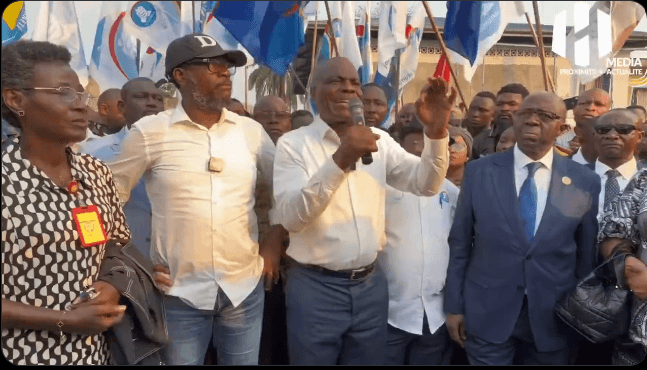
Wednesday, June 3, 2026, could mark a turning point in the already tense political climate of Kinshasa. The opposition coalition C64 is calling for a 'dead city' day to protest against a proposed law on the referendum. This text, perceived by opponents as a 'declaration of war' against Congolese democracy, is at the heart of current political debates.
Jean-Marc Kabund, former first vice-president of the National Assembly and interim president of the Union for Democracy and Social Progress (UDPS), expressed his concerns during a meeting with influential members of his party. According to his statements, Félix Tshisekedi, the head of state, allegedly concealed from Congolese citizens a project aimed at establishing a parliamentary regime through this new law.
Kabund stated: 'It has become clear that our president had only one goal: to submit to the Congolese a dangerous project.' He believes that this proposal could seriously compromise the country's democratic process. This mobilization orchestrated by C64 aims to rally massive popular support to counter what it sees as an authoritarian drift.
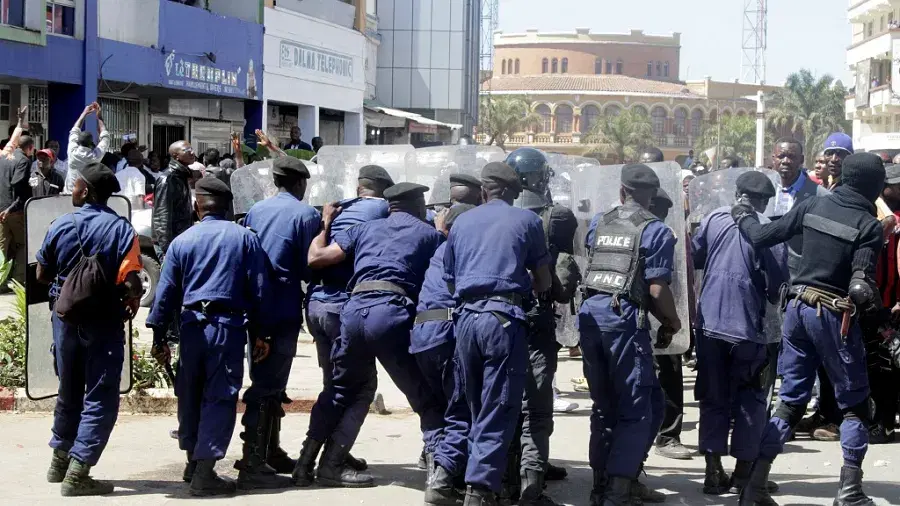
In a context where previous protests have often escalated into violent clashes between demonstrators and law enforcement, fears of severe repression are palpable. Political observers express their concerns regarding freedom of expression in the Democratic Republic of Congo. The current climate could exacerbate tensions and lead to further violence.
Non-governmental organizations are also closely monitoring these developments. They remind that any modification of fundamental laws must be done in accordance with democratic principles and reflect the popular will. For these civil society actors, this legislative project poses a threat to the democratic gains of the country.
With only a few months left before the scheduled elections, the outcome of this mobilization could have major repercussions on the Congolese political scene. The current dynamics between power and opposition will influence not only the conduct of the elections but also the overall stability of the country.
The C64 coalition hopes that this 'dead city' day will serve as a clear warning to the Tshisekedi government about the potential dangers of a forceful passage. As the country stands at a critical crossroads, it remains to be seen whether this mobilization will succeed in altering the current political trajectory or if it will simply mark another step in the escalation of tensions.
actualite.cd (primary source)
Our editors' picks of what matters. Monday to Friday.
By subscribing, you accept our privacy policy.