Article
Preparing the article…
If a translation is needed, this may take a few seconds.
If a translation is needed, this may take a few seconds.
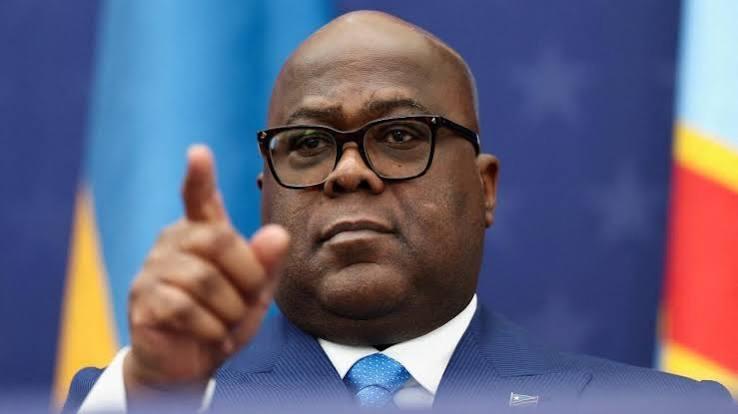
Congolese President Félix Tshisekedi stated that he could accept a third term if the people wish, while considering a delay of the elections scheduled for 2028.
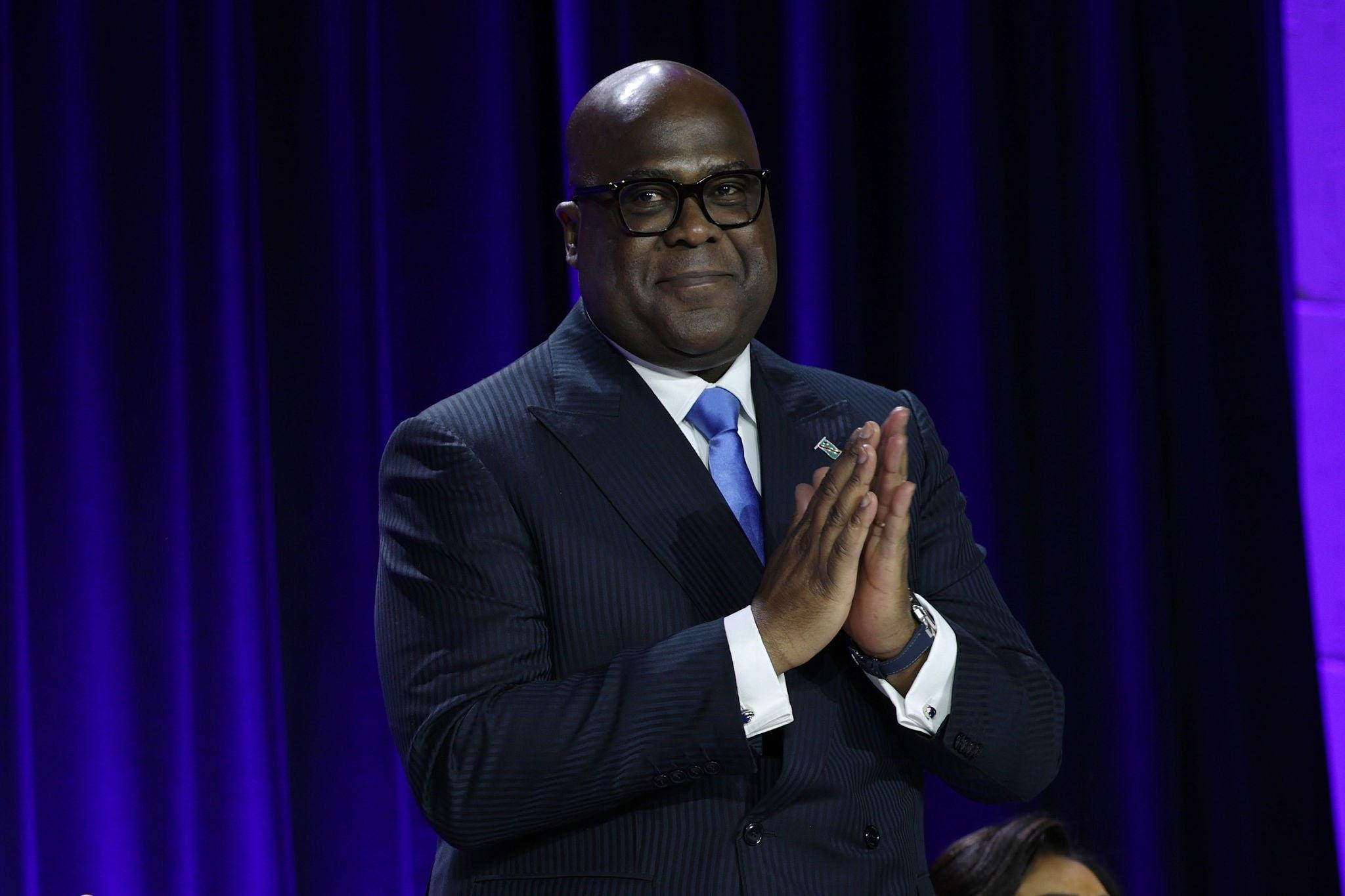
Félix Tshisekedi, president of the Democratic Republic of Congo (DR Congo), hinted that he might consider a third term following a constitutional referendum, as well as a delay of the presidential elections initially scheduled for 2028. This statement was made during an interview broadcast on the Congolese public television channel on May 6, 2026.
The head of state clarified that the security situation in the eastern part of the country, marked by ongoing conflicts, could justify such a delay. “I have never wanted to run for president, but if the people wish for me to serve a third term, I will accept,” he stated, according to a dispatch from TV5MONDE.
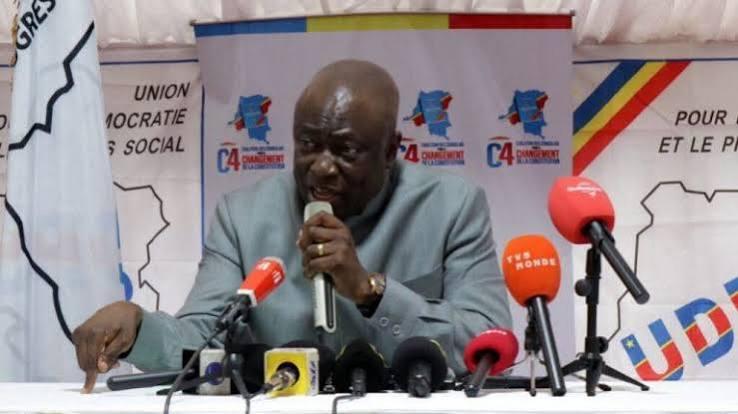
This announcement comes amid a tense political context in the DR Congo, where elections are often seen as a major issue for the country's stability. Opposition parties quickly reacted, expressing their dissatisfaction with these remarks, which they view as an attempt to unduly extend the presidential term. They emphasize that such statements could exacerbate the already present political tensions in the country.
The 2023 elections had already been marked by controversies, as previously reported by LE JOURNAL.AFRICA in the article titled “Félix Tshisekedi Confirms His Presidential Ambitions for 2023.” At that time, the president had asserted that he would respect electoral deadlines, but his recent statements raise questions about his commitment to uphold these promises.
The security situation in eastern DR Congo, where armed groups continue to cause unrest, is often used by leaders to justify controversial political decisions. In 2019, during a national forum on decentralization, Tshisekedi had already mentioned the instability of the provinces as an obstacle to implementing certain reforms, according to a report from Le Phare.
Political observers are questioning the implications of these statements for the future of democracy in the DR Congo. The possibility of a constitutional referendum to allow a third term could pave the way for increased tensions between the ruling power and the opposition, which sees these maneuvers as an attempt to consolidate power.
As 2028 approaches, the DR Congo finds itself at a decisive crossroads. The choices made by President Tshisekedi, in response to the people's expectations, could have significant repercussions on the political and social stability of the country.
Our editors' picks of what matters. Monday to Friday.
By subscribing, you accept our privacy policy.