Article
Preparing the article…
If a translation is needed, this may take a few seconds.
If a translation is needed, this may take a few seconds.
The French President emphasizes the need for a 'respectful dialogue' to resolve the ongoing crisis between the Democratic Republic of Congo and Rwanda.
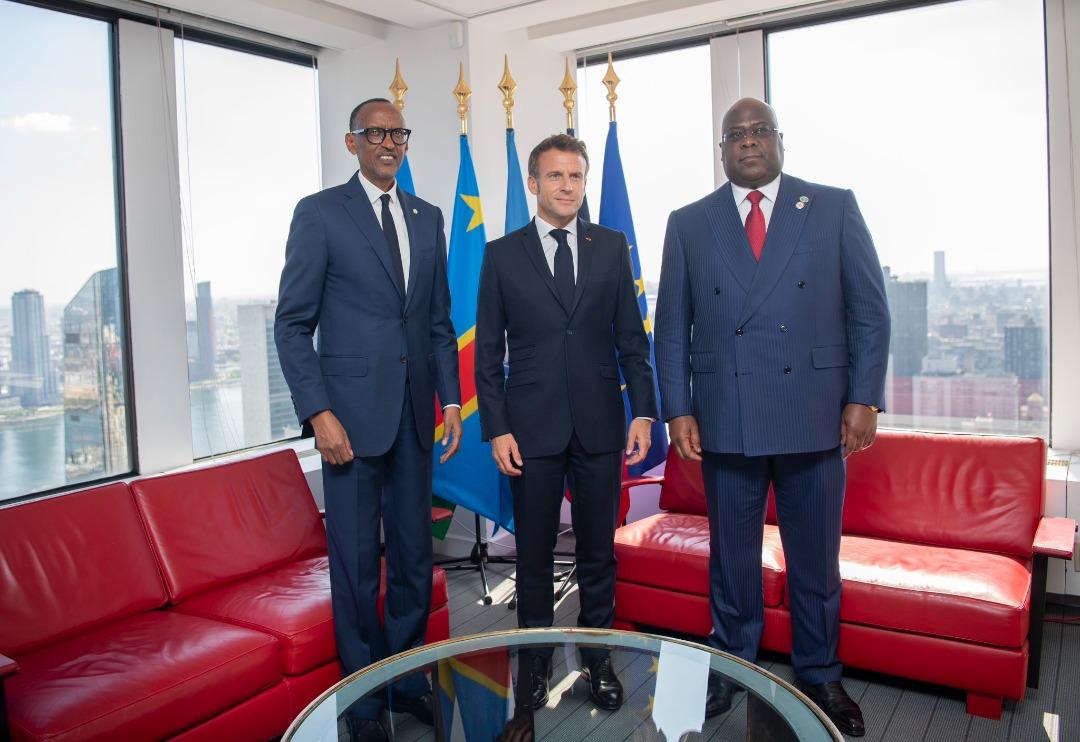
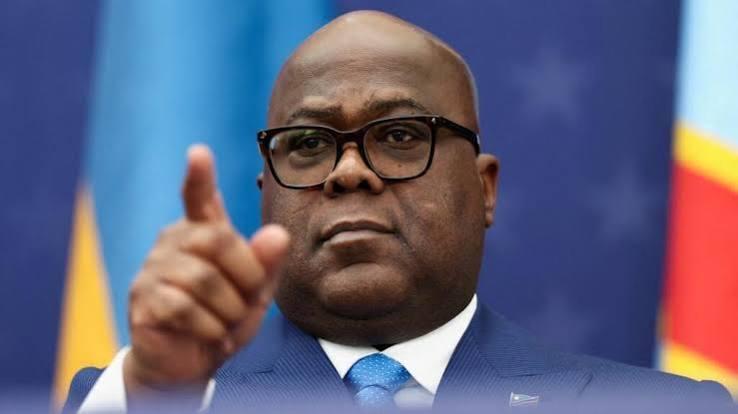
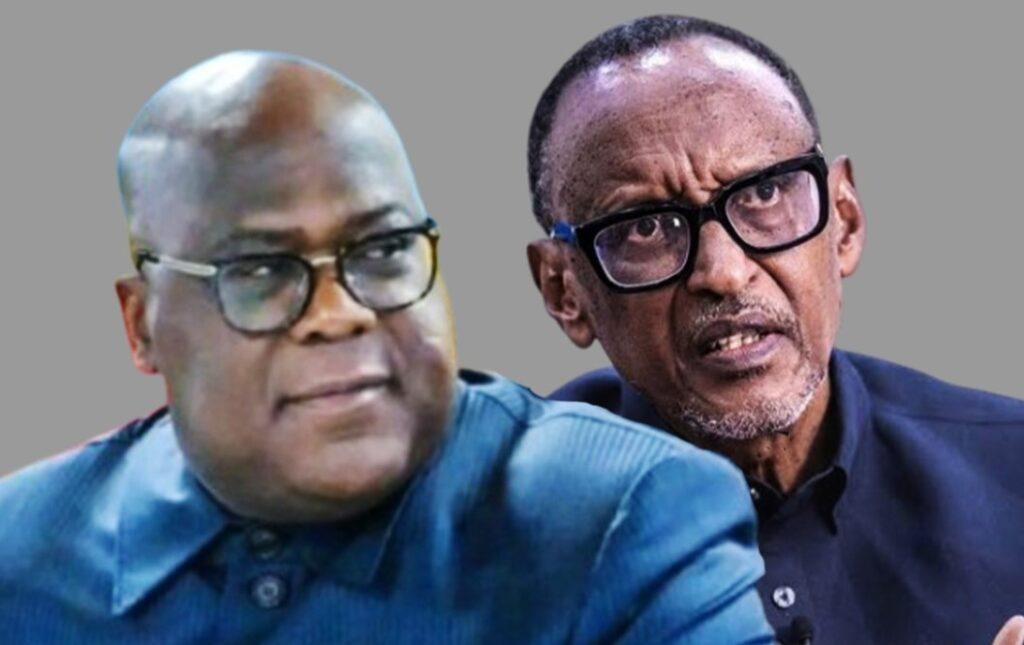
Emmanuel Macron, the President of France, recently expressed doubts about the effectiveness of sanctions in ending the crisis between the Democratic Republic of Congo (DR Congo) and Rwanda. In a statement made on May 12, 2026, he highlighted the importance of a 'respectful dialogue' between the two countries, particularly between Félix Tshisekedi and Paul Kagame.
The security situation in eastern DR Congo remains concerning, despite a peace agreement signed last December. According to Congolese government sources, this agreement has not yet led to lasting peace. President Tshisekedi has voiced his frustration over the lack of tangible results, calling for stronger international mobilization.
Macron recalled that just days after the December agreement, the United States imposed economic sanctions against Kigali. These measures have been criticized by the French President, who stated: 'I have yet to find a quick solution to this kind of sanctions that can stop conflicts.' This position raises questions about the Western approach to regional tensions.
Furthermore, Macron has recently engaged in telephone exchanges with his Congolese and Rwandan counterparts, seeking to foster a climate of cooperation. He insisted on the need to wait for several peace initiatives to be successfully implemented before considering any further sanctions. This approach appears aimed at avoiding an escalation of tensions that could worsen the already critical humanitarian situation in eastern DR Congo.
Civic movements such as Lucha have called for not negotiating with Rwandan President Kagame, highlighting the anti-Rwandan sentiments that persist among certain segments of the Congolese population. These groups believe that any discussion should be conditioned on concrete advancements in security and human rights.
The complexity of this regional crisis is exacerbated by the varied geopolitical interests of the international actors involved. While some countries advocate for a tightening of measures against Rwanda, others, such as France under Macron, seem to favor dialogue as the preferred path to resolve disputes.
As tensions remain high, the road to lasting peace between DR Congo and Rwanda appears still long. Could Macron's calls for dialogue open a new phase in relations between Kinshasa and Kigali? Only time will tell.
Our editors' picks of what matters. Monday to Friday.
By subscribing, you accept our privacy policy.