Article
Preparing the article…
If a translation is needed, this may take a few seconds.
If a translation is needed, this may take a few seconds.
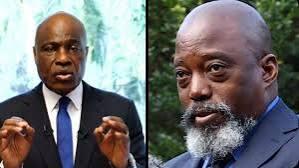
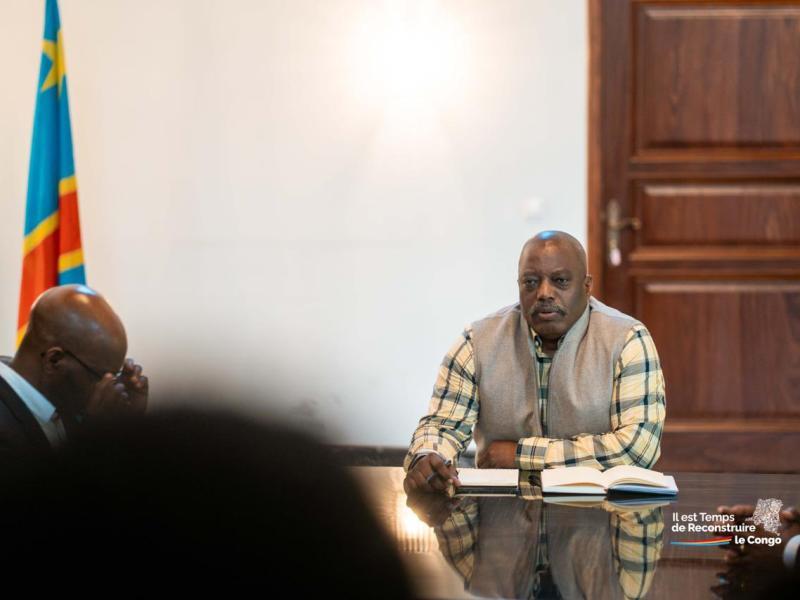
In a recent statement, former Information Minister Lambert Mende urged ex-President Joseph Kabila to end his relations with Rwanda, deemed harmful to the Democratic Republic of Congo.
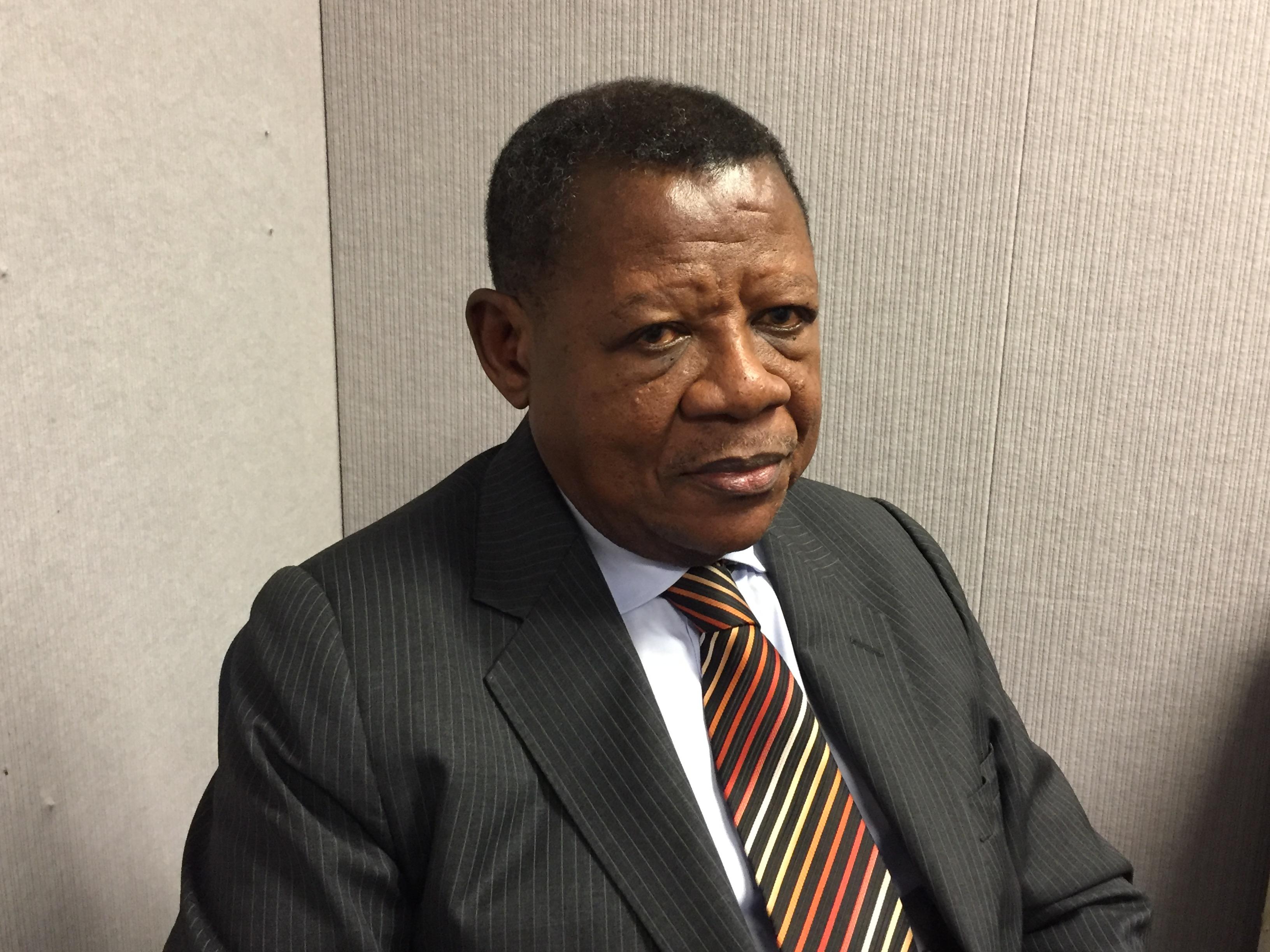
Lambert Mende Omalanga, former spokesperson for Joseph Kabila's government, recently took a stance on the relationship between the Democratic Republic of Congo (DRC) and Rwanda. During the General States of Congolese Young Leaders held in late April 2026 in Kinshasa, he stated that Kabila "should go to Canossa" to sever ties with Rwandan President Paul Kagame.
According to Mende, this relationship is detrimental to the country and "weighs like a heavy burden on the national unity of Congolese people." He emphasized that the ongoing tensions between the two nations hinder peace and reconciliation efforts in the DRC.
The provincial deputy from Sankuru also mentioned the crucial role that young people should play in seeking a national consensus. "We need a new dynamic," he insisted, while calling for a paradigm shift to better integrate youth into political debates.
This statement comes at a time when relations between the DRC and Rwanda are particularly strained. Citizen movements, such as Lucha, have already expressed their opposition to any negotiations with Kagame, denouncing the negative impacts on Congolese security and sovereignty.
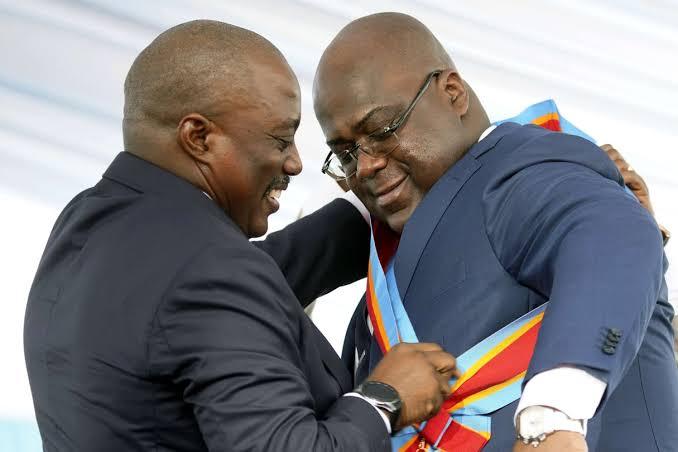
Previous reports from LE JOURNAL.AFRICA had already highlighted tensions within the ruling coalition in the DRC, where political skirmishes between supporters of former President Kabila and current President Félix Tshisekedi continue to fuel a climate of instability.
Mende, who was defeated in the 2019 provincial elections by an independent candidate in his diamond-rich province, remains an influential figure in the Congolese political landscape. His recent remarks could mark a turning point in the current political dynamics as the country seeks to establish lasting peace.
To monitor the evolution of this complex situation, it will be essential to observe reactions both within the government and among Congolese civic actors.
Our editors' picks of what matters. Monday to Friday.
By subscribing, you accept our privacy policy.