Article
Preparing the article…
If a translation is needed, this may take a few seconds.
If a translation is needed, this may take a few seconds.
Unpaid for five months, state agents in Bolobo express their dissatisfaction with salary irregularities.
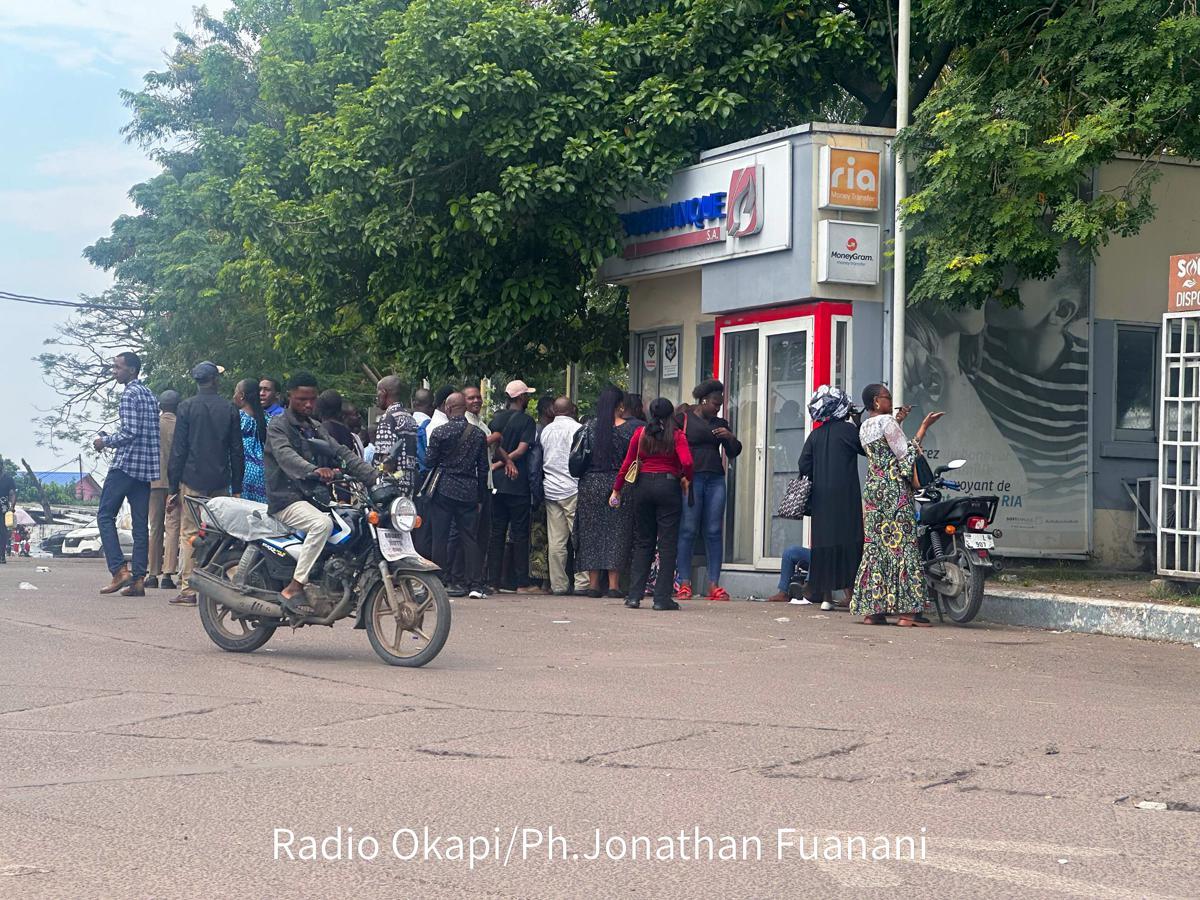
State officials in the territory of Bolobo, located in the Maï-Ndombe province of the Democratic Republic of Congo, are threatening to declare a dry strike due to unpaid wages that have accumulated over five months. Since last December, these agents have not received their salaries, a situation that has raised significant concern and growing frustration within the community.
According to local sources, the last payment dates back to November 2025. The officials, organized in a union, have expressed their exasperation regarding what they describe as recurring irregularities in the payroll system. This situation has led to tensions within public services, where the lack of remuneration affects not only the employees but also the services provided to the population.
In a statement made by the first vice-president of the Bolobo officials' union, it was emphasized that this strike is being considered to protect the economic interests of the workers. "We can no longer wait," he stated, adding that the employees' patience has reached its limits in the face of this salary crisis.
This movement is part of a broader context of economic and social instability in the country. Previous reports indicate that other sectors have also experienced strikes for similar reasons. For example, in May 2022, workers from the general budget directorate had already expressed their dissatisfaction over payment delays.
The Bolobo officials plan to organize a general assembly to discuss the next steps of their movement. They hope that this pressure will prompt the relevant authorities to respond quickly to their demands.
The current situation raises questions about the management of public resources and the government's commitment to fulfilling its obligations to its employees. The Bolobo officials are not alone in this struggle; other regions of the country have also seen similar demands emerge, reflecting a widespread malaise within the Congolese public sector.
Our editors' picks of what matters. Monday to Friday.
By subscribing, you accept our privacy policy.