Article
Preparing the article…
If a translation is needed, this may take a few seconds.
If a translation is needed, this may take a few seconds.
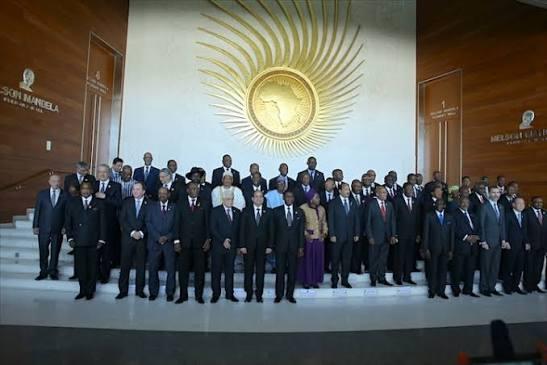
The ECOWAS Commission must contend with a rise in security threats, exacerbated by recent coups and terrorism.
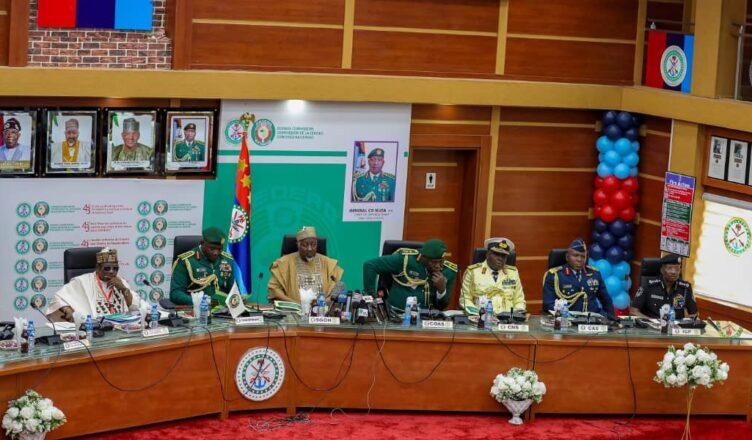
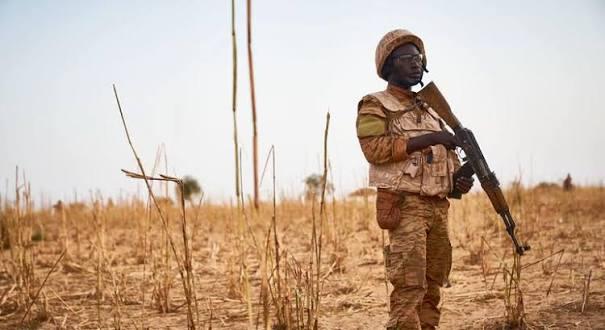
The security situation in West Africa has significantly deteriorated in recent years, placing the Commission of the Economic Community of West African States (ECOWAS) before major challenges. According to Africa24 TV, member countries are not only facing terrorist threats but also increasing political instability, illustrated by a series of coups in the region.
Since 2020, five coups have occurred in Burkina Faso, Mali, and Niger. These events have led these three countries to form a military alliance to combat jihadist groups operating in their common border area. In response to this situation, on January 29, this coalition informed ECOWAS of its intention to act collectively against terrorism and transnational organized crime.
This context has prompted ECOWAS to intensify its efforts to stabilize the region. During an extraordinary summit held in Ouagadougou in September 2019, the organization adopted a five-year action plan with an estimated budget of one billion dollars to combat jihadism. This plan aims to strengthen military capacities and promote socio-economic development in areas affected by insecurity.
However, despite these initiatives, the situation remains precarious. According to a recent statement from ECOWAS, the alliance between Burkina Faso, Mali, and Niger could be perceived as a threat to the mediation efforts that the organization is attempting to undertake. ECOWAS must navigate between supporting the existing governments and managing the new alliances that are emerging in a climate of instability.
The challenges are not limited to coups. Violence related to terrorism has intensified, particularly in the border regions between these countries. Unconfirmed reports indicate that armed groups continue to carry out attacks against armed forces and civilians, further exacerbating the humanitarian crisis in these areas.
In this complex context, ECOWAS faces a delicate choice: how to support political transitions while ensuring the security of populations? The coming weeks will be crucial in determining whether the organization will succeed in restoring a certain level of stability or if it will be overwhelmed by the growing challenges on the horizon.
Our editors' picks of what matters. Monday to Friday.
By subscribing, you accept our privacy policy.