Article
Preparing the article…
If a translation is needed, this may take a few seconds.
If a translation is needed, this may take a few seconds.
Despite a strong presence in the informal sector, African women struggle to access decision-making positions and the financing necessary for their economic independence.

In Africa, 58% of self-employed workers are women, according to a report by Bpifrance. However, only 25% of them hold employer positions. This disparity highlights the persistent obstacles that hinder women's access to entrepreneurship and the economic resources necessary for their emancipation.
Khady Koné Dicoh, director of business development at Bpifrance in Africa, emphasizes that the majority of women engaged in professional activities do so in the informal sector. "They run kiosks or work as hairdressers. When you talk about a lifestyle or a job generally accessible to women, it means that they play a crucial role economically," she explains.
This situation is even more concerning in a context where women should play a central role in the post-Covid-19 economic recovery. A previous report by LE JOURNAL.AFRICA highlighted that gender inequalities persist in many sectors, despite efforts to reduce them. The current period should be conducive to a reevaluation of women's economic roles on the continent.
Initiatives aimed at supporting female entrepreneurship are multiplying. For example, the Afawa initiative (African Funding for Women Entrepreneurs) from the African Development Bank aims to strengthen the economic power of women-owned businesses. According to the ADB, this initiative could transform the female entrepreneurial landscape by facilitating access to credit and resources.
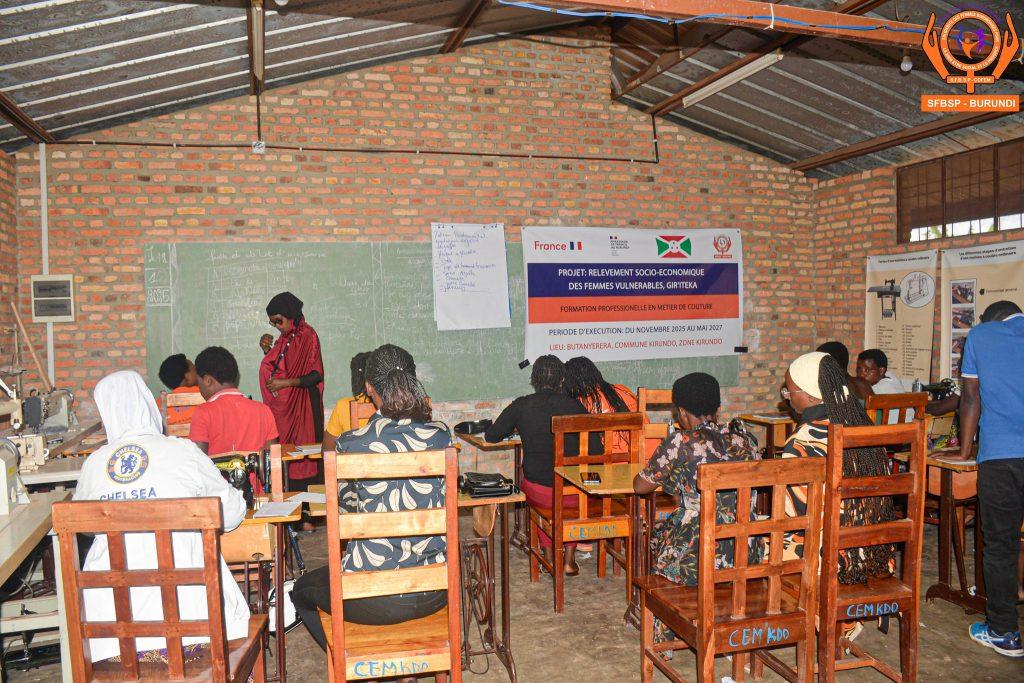
However, cultural and structural challenges remain. In some countries like Burundi, young women entrepreneurs face obstacles related to culture and a lack of self-confidence, as reported by LE JOURNAL.AFRICA last April. These factors limit their ability to assert themselves in an environment often dominated by patriarchal norms.
Angélique Kidjo, an icon of African music and advocate for women's rights, has also expressed concern about access to credit for women entrepreneurs. In an interview with the BBC, she stated: "Microcredits do not work for the poorest women." This statement highlights the shortcomings of the current financial system that fails to effectively support those who need it most.
In the face of these challenges, it is essential to encourage more initiatives that aim not only to finance women's projects but also to break the stereotypes that continue to hinder their ascent to economic power. African women deserve equitable access to resources and opportunities to build a prosperous future.
Our editors' picks of what matters. Monday to Friday.
By subscribing, you accept our privacy policy.