Article
Preparing the article…
If a translation is needed, this may take a few seconds.
If a translation is needed, this may take a few seconds.
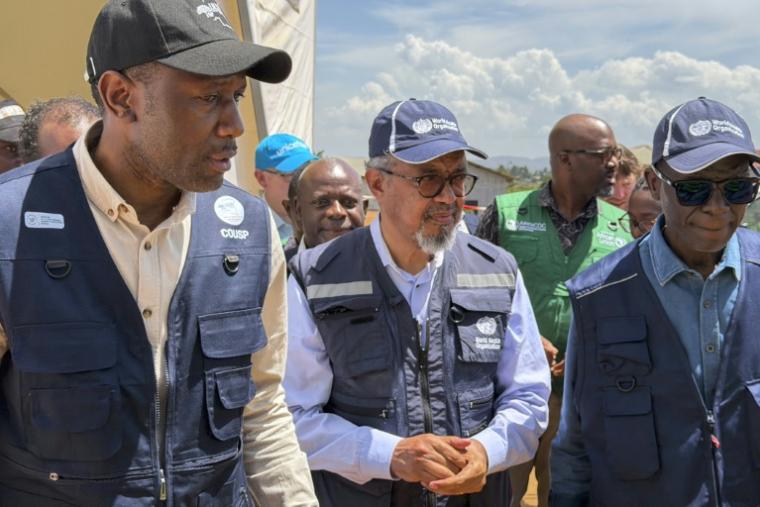
European Commissioner for the Internal Market, Thierry Breton, emphasizes the importance of health sovereignty in Africa during a recent address.

"As long as Africa's health security is not ensured, there will be no European pharmaceutical sovereignty," stated Thierry Breton, the European Commissioner for the Internal Market. This statement highlights a crucial issue for the African continent and for Europe itself, in a context where the Covid-19 pandemic has revealed the weaknesses of global health systems.
Breton stressed that Africa's vaccine autonomy is essential not only to meet local health needs but also to ensure effective cooperation between continents. Indeed, according to him, independence in vaccine production and supply is a key element to avoid crises similar to those experienced during the current pandemic.
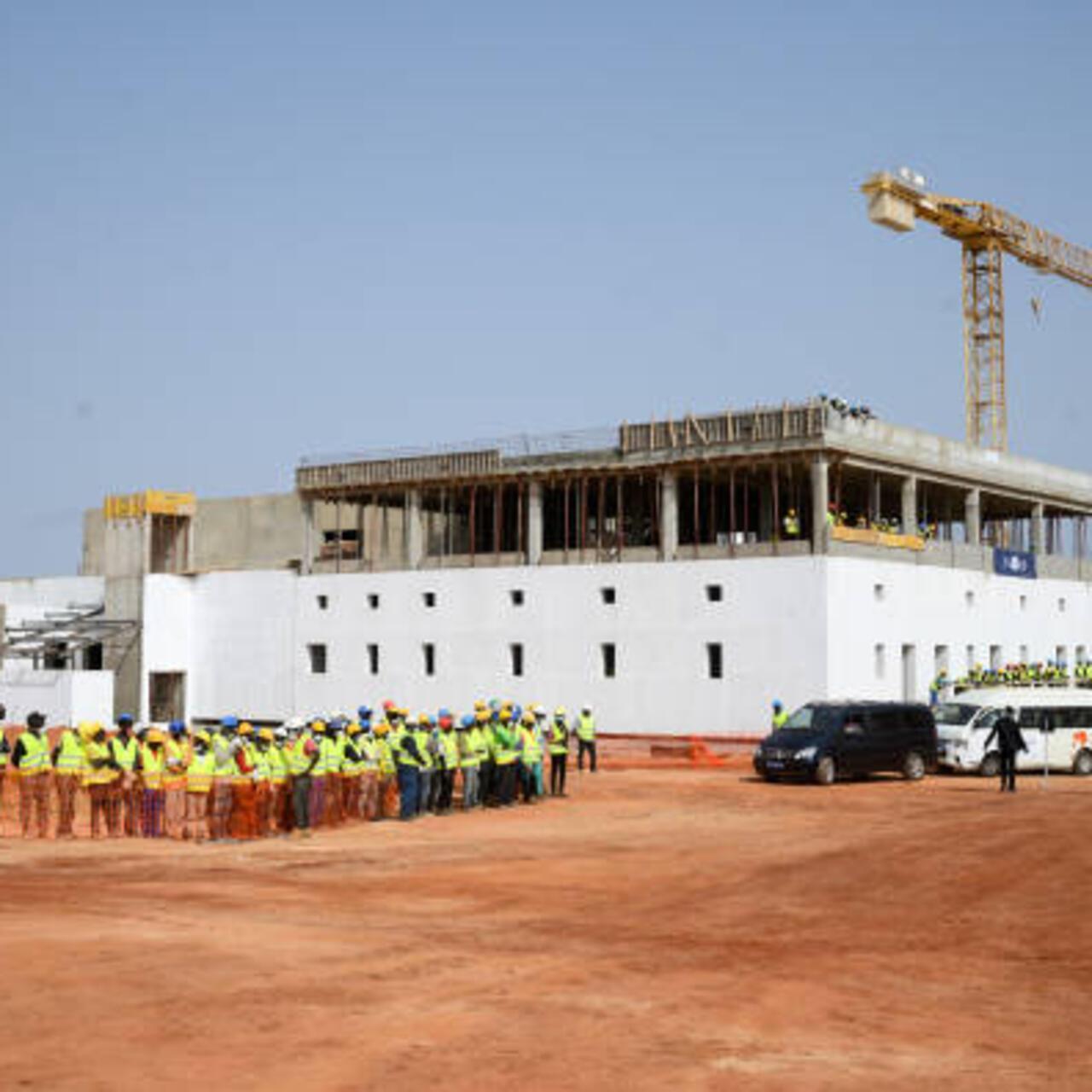
Senegal recently announced its intention to embark on the production of Covid-19 vaccines. A financing agreement was signed on July 9, 2021, for the construction of a factory that is expected to be operational by 2022. This project, implemented by the Institut Pasteur de Dakar, aims to supply not only Senegal but also other neighboring countries with locally produced vaccines, as reported by LE JOURNAL.AFRICA in a previous article.
This initiative is part of a broader movement aimed at strengthening the health autonomy of the continent. According to a report from Al Jazeera, several African countries are striving to increase their capacity to produce vaccines and essential medicines, thus reducing their dependence on often costly and uncertain imports.
However, challenges remain numerous. Africa faces obstacles such as insufficient funding, inadequate infrastructure, and inequalities in access to technology. As highlighted in a report by the BBC, African countries often purchase medicines at exorbitant prices due to a lack of competition in the local market.
Moreover, the trafficking of counterfeit medicines remains a persistent problem on the continent. A recent statement engaging several countries to combat this scourge demonstrates the urgency to act to protect African public health. Governments must intensify their efforts to criminalize this trafficking and ensure the quality of pharmaceutical products available on the market.
The current situation thus calls for collective mobilization to ensure sustainable health security in Africa. According to Thierry Breton, without this security, no genuine pharmaceutical sovereignty can be achieved. European actors must also recognize that their own health security is intrinsically linked to that of the African continent.
In conclusion, Thierry Breton's call for vaccine autonomy in Africa resonates as a warning: health issues transcend borders and require a collaborative approach among nations.
Our editors' picks of what matters. Monday to Friday.
By subscribing, you accept our privacy policy.