Article
Preparing the article…
If a translation is needed, this may take a few seconds.
If a translation is needed, this may take a few seconds.
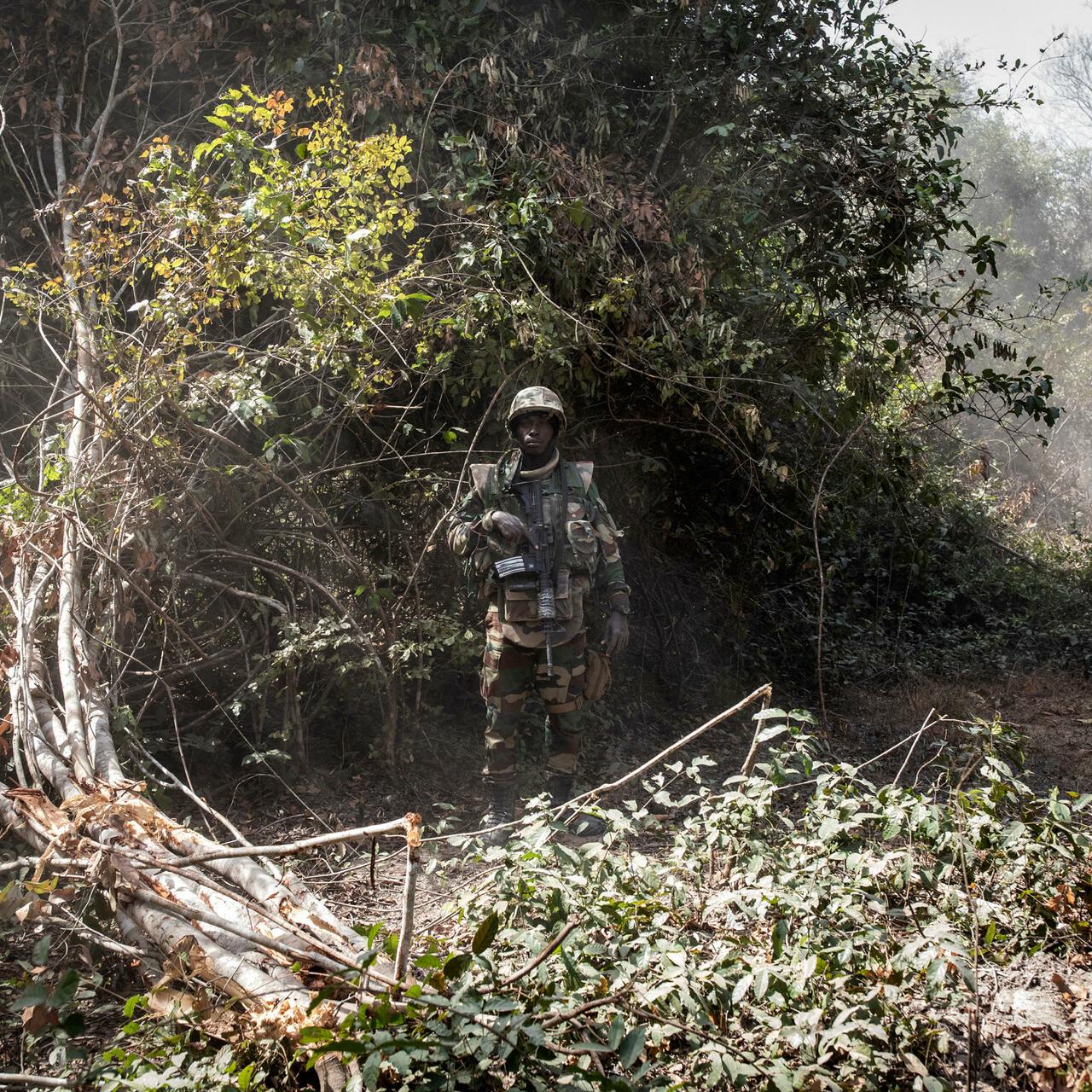
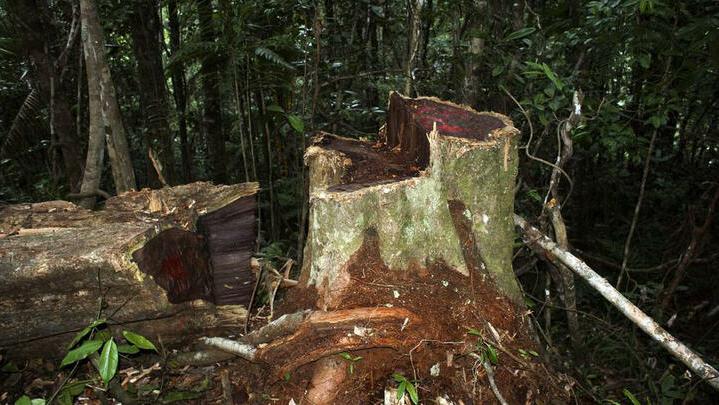
In Gambia, wood is at the heart of recent clashes between the Senegalese army and the Movement of Democratic Forces of Casamance in the north. Rare timber brings in significant revenue and finances separatists. It also represents a non-negligible source of income for communities near the border. Report from the launch of an awareness campaign targeting local populations in the south of the country.
With our correspondent in Banjul, Milan Berckmans
In the village of Jakoi Sibrik, in southern Gambia, the caravan of environmental protection associations arrives in a flurry of activity. After a few festive moments, the nature defenders take the floor. In the crowd, Aboubacar Jarju, a farmer in his forties, explains that for farmers, wood is easy and fast money:
"People now, instead of tilling the land to survive, cut wood. They tell themselves 'if I cut this wood, I will have money today'."
► Read also: Rosewood trafficking at the heart of tensions on the border between Gambia and Casamance
But for him, tree cutting threatens agriculture. "Really, when there are no trees, when the air comes, it blows everything. It blows and carries everything away, nothing is left but sand. So when you plant your trees, or your peanuts or anything else, it won't work," explains Aboubacar Jarju.
His brother Abdou speaks about young people, who easily turn to timber cutting, and sends them a message: "As a young person, it's possible to create employment for yourself. I created beehives where I harvest honey seasonally and normally, it brings me money." The same message from Sarjo Camara, director of the awareness program for the NGO Action Aid:
"At the end of the day, this is what we have, it's all that's left to us. And that's how we can generate income. So preserving these trees, protecting them, is in our own interest. That's what we tell people."
The awareness campaign will continue until Tuesday, May 24 in about ten villages close to Casamance.
► Read also: Rosewood trafficking in Casamance: Swiss man accused of looting by NGO
Our editors' picks of what matters. Monday to Friday.
By subscribing, you accept our privacy policy.