Article
Preparing the article…
If a translation is needed, this may take a few seconds.
If a translation is needed, this may take a few seconds.
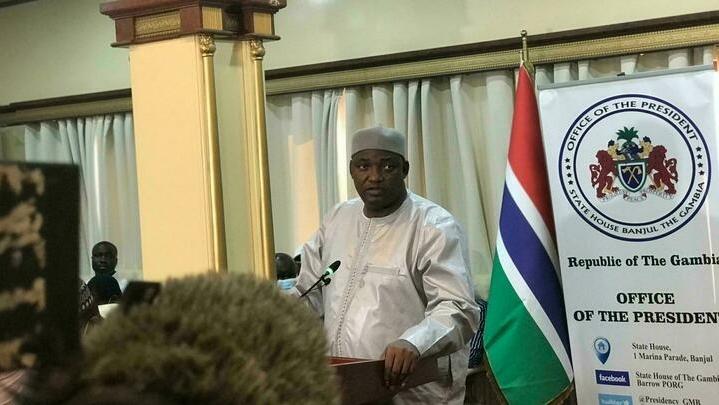
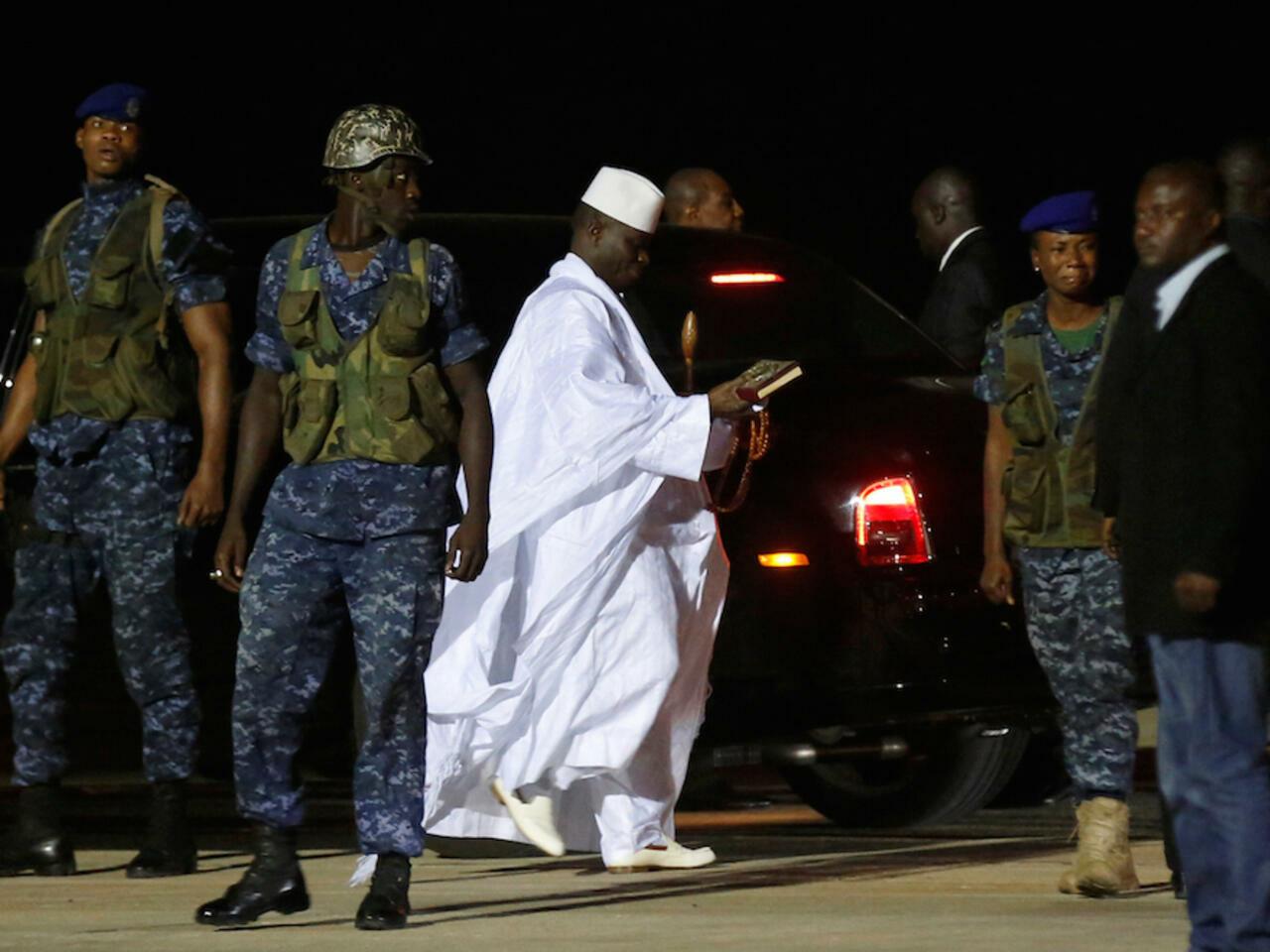
In Gambia, the government must present its roadmap today on the implementation of prosecutions against the former regime. A new step in the transitional justice process begun in 2017, after the exile of former president Yahya Jammeh to Equatorial Guinea. Hours before this decisive moment, a meeting with Awa Njie, a widow seeking justice.
With our correspondent in Banjul, Milan Berckmans
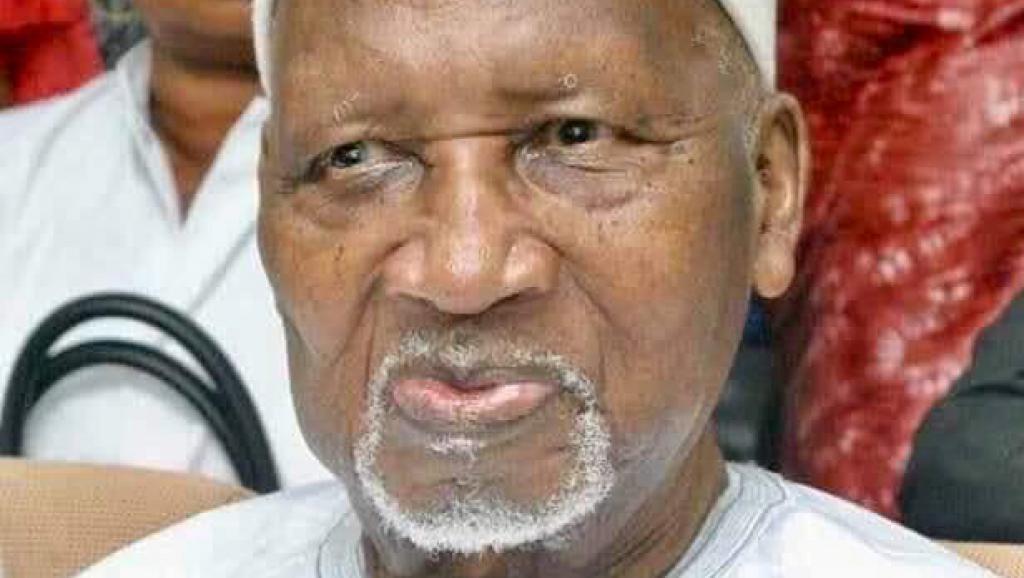
In the offices of the WAVE association, which helps women victims of the former regime, Awa Njie, 58, recalls a telephone call on November 12, 1994, after Yahya Jammeh's military coup. " They told me: 'We cannot talk about it, but your husband died last night'. Then I scream, I fall, I faint ", she recounts.
After the death of her husband, Abdoulie Dot Faal, Awa Njie finds herself alone with her children. Even today, she struggles financially, despite the financial compensation she received from the authorities. " Now, even to pay my rent, it is difficult. To feed myself and feed my children, it is difficult. I have no one to help me ", testifies the mother.
Beyond these difficulties, she speaks of a feeling of impunity in everyday life, with certain former figures of power still at large in Gambia. " You sometimes cross them, you see them in the street. You see that these people are enjoying life, while you suffer, with your children. It is so hard ", she sighs.
For this mother, in addition to more substantial reparations, what she hopes for is that justice be served: " We need this justice to reduce the trauma we have carried throughout our lives, since 1994 ".
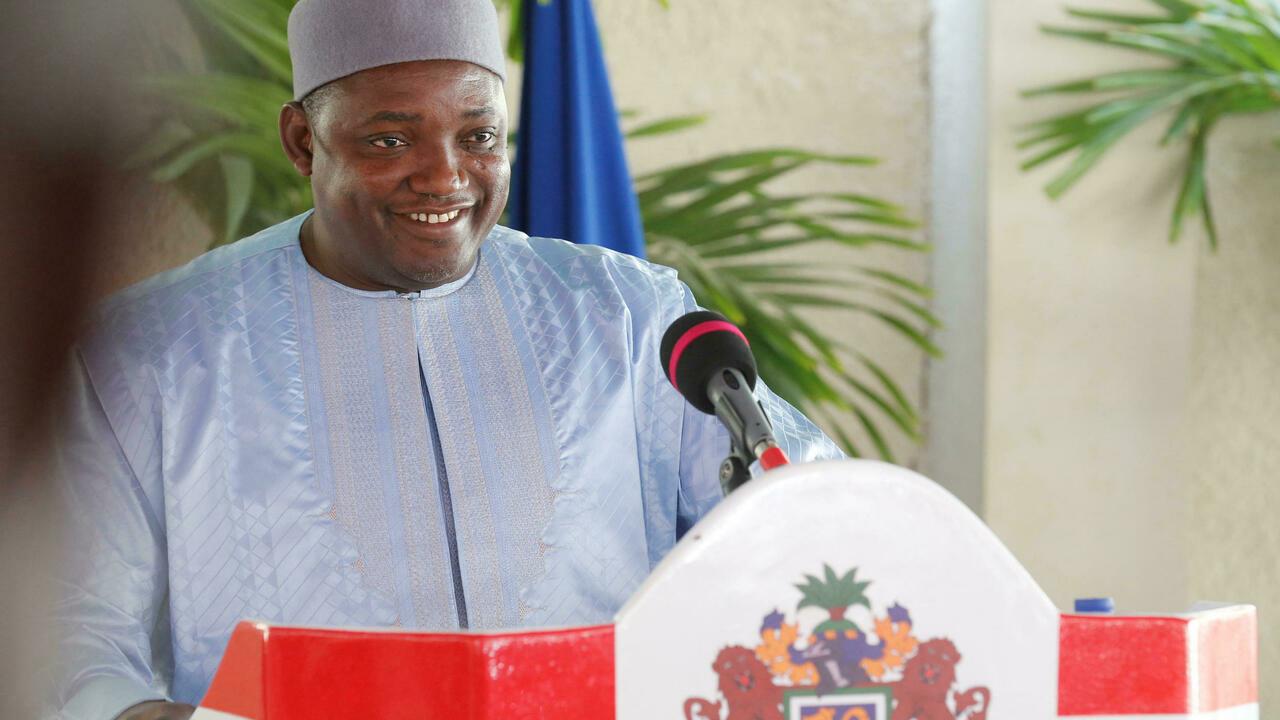
Like Awa Njie, most victims expect more from the government of Adama Barrow.
Our editors' picks of what matters. Monday to Friday.
By subscribing, you accept our privacy policy.