Article
Preparing the article…
If a translation is needed, this may take a few seconds.
If a translation is needed, this may take a few seconds.
The American administration's position in favor of a temporary lifting of patents on Covid-19 vaccines is sparking hope in Africa. Demanded notably by India and South Africa, this measure is intended to accelerate the production and distribution of anti-Covid vaccines, at a time when poor countries…
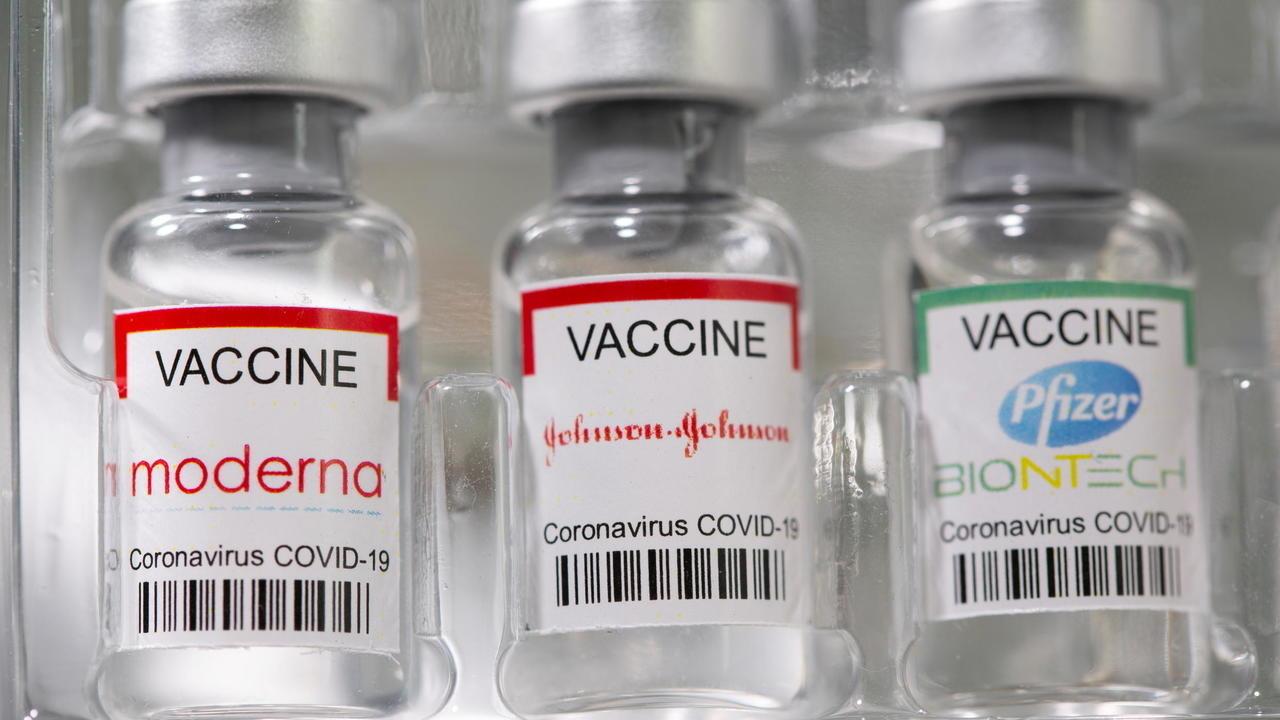
One month after the African Union summit on vaccine autonomy, the WHO hopes that the temporary lifting of patents could contribute to it. Because if accepted, this solution would allow any country to have access to the "recipe" for manufacturing anti-Covid vaccines, without worrying about intellectual property.
What remains is to accelerate the technology transfer process and equip African countries with supply chains so they can produce vaccines themselves. The WHO acknowledges that all of this has a cost and will require significant investments.
In the meantime, some African countries are in pole position for vaccine manufacturing, such as Morocco or Algeria. South Africa has already announced the possibility of developing its local production capacity, as has the Pasteur Institute in Senegal. And there is a need. Only 2% of available doses worldwide were being administered in Africa. A rate that has just fallen to 1% due to delivery delays from India, a country in the midst of a severe health crisis.
The WHO has launched an appeal for donations of vaccine doses, in order to reduce the gap between poor and rich countries.
The lifting of patents is an important part of the solution for Africa. But we will also need to ensure that we produce the components of vaccines and increase the quantity. We will also need to diversify manufacturing sites.
Dr Matshidiso Moeti, regional director of the World Health Organization for Africa
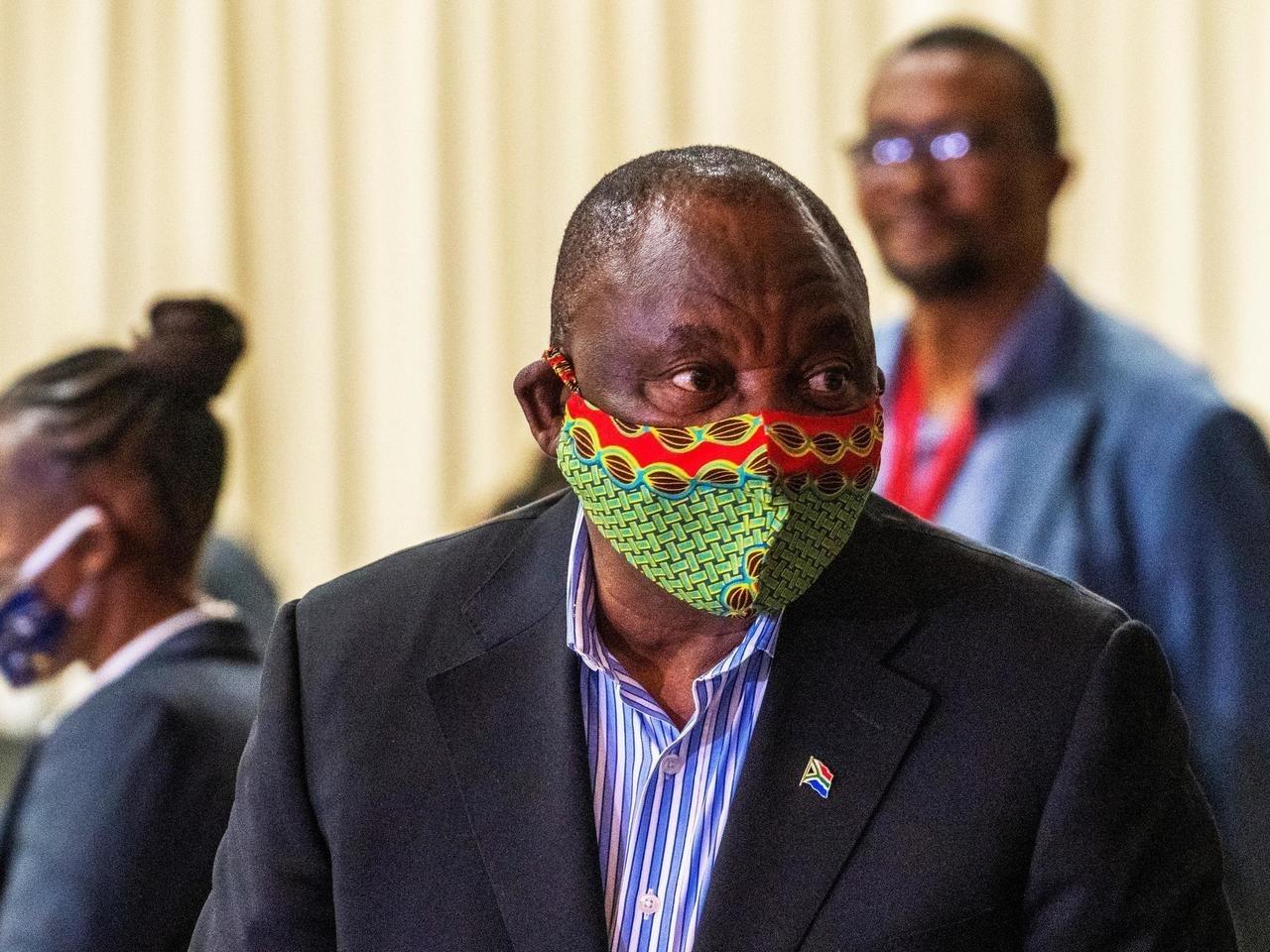
In South Africa, the country that originated, along with India, the request filed in October with the World Trade Organization, associations hope that this weighty support could tip the scales, reports our correspondent in Johannesburg, Claire Bargelès. President Cyril Ramaphosa has welcomed this American declaration, as have local NGOs that advocate for vaccines to be accessible to the poorest countries.
Among them, Section 27, whose director is Umunyana Rugege. "We cannot continue business as usual. We see that with the Covid-19 vaccine, there are not enough producers globally. We need to ensure we have more production capacities and one of the tools to achieve that is this request to lift patents at the WTO."
It must be said that the country remembers the struggle waged in the 2000s to make HIV treatments more affordable. Sibongile Tshabalala, president of the Treatment Action Campaign organization, regrets that this fight against patents is still relevant today.
"Remember, at the beginning of the HIV epidemic, when there was no treatment here: it was not that there was no available treatment, it was that there were patents. It is very disappointing that today we still have to advocate and beg governments to put people's lives before profits."
The Pharmaceutical Industry Federation denounces a request that could be counterproductive and slow down research. For its part, the health agency of the African Union calls for patience: even if the measure ends up passing, increasing production will still take time and investments.
Another WTO meeting is expected to be scheduled by the end of the month, before a specific council is organized in early June.
Our editors' picks of what matters. Monday to Friday.
By subscribing, you accept our privacy policy.