Article
Preparing the article…
If a translation is needed, this may take a few seconds.
If a translation is needed, this may take a few seconds.
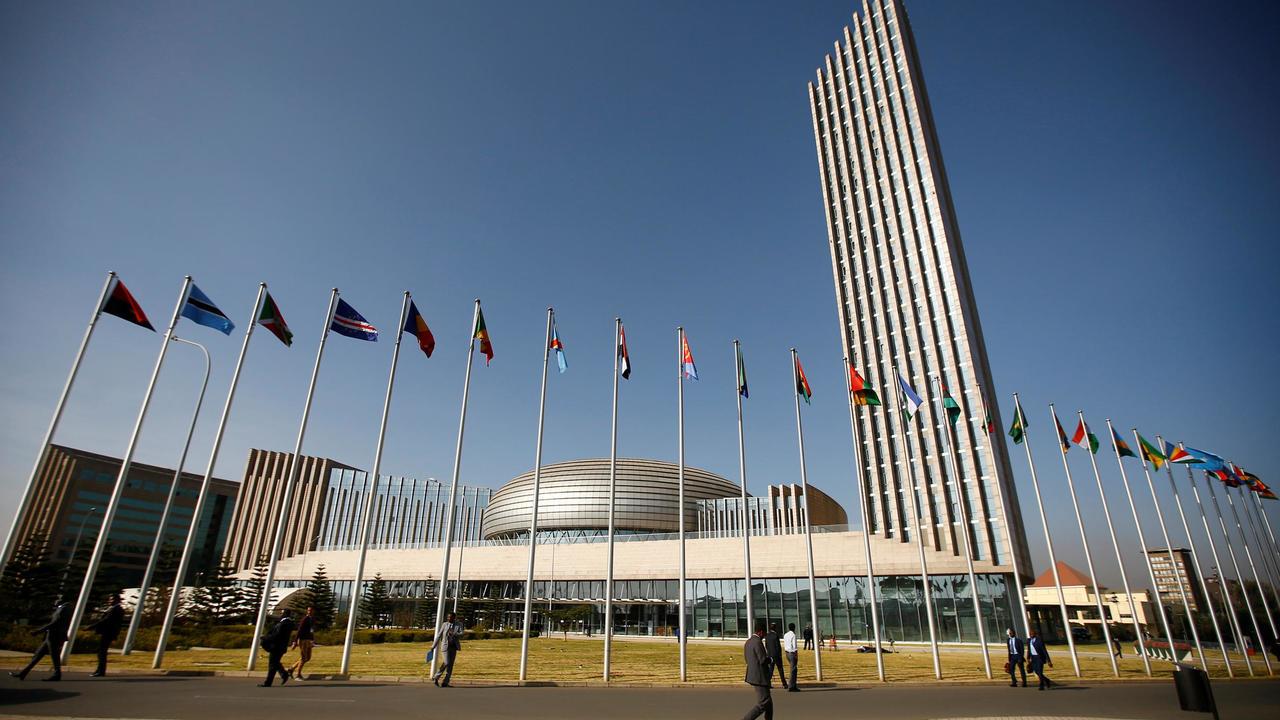
The 34th African Union summit opens today, virtually due to the Covid-19 pandemic. And it is precisely the management of the health crisis that will take center stage this weekend. The 55 heads of state will discuss the economic consequences of the pandemic as well as upcoming vaccination strategies.
With our correspondent in Addis Ababa, Noé Hochet-Bodin
As a symbol, it is South African president Cyril Ramaphosa who will inaugurate this summit as the African Union's incumbent president. A symbol, because South Africa is the continent's country hardest hit by coronavirus. And because Cyril Ramaphosa has been the spearhead of the continent to express its frustration with what he describes as the "nationalism" of wealthy countries in their vaccine acquisition strategies.
Vaccines will be discussed throughout the weekend. The majority of member states are still awaiting delivery of the first doses… which will become accessible through Covax, the UN mechanism promising a fairer distribution of vaccines.
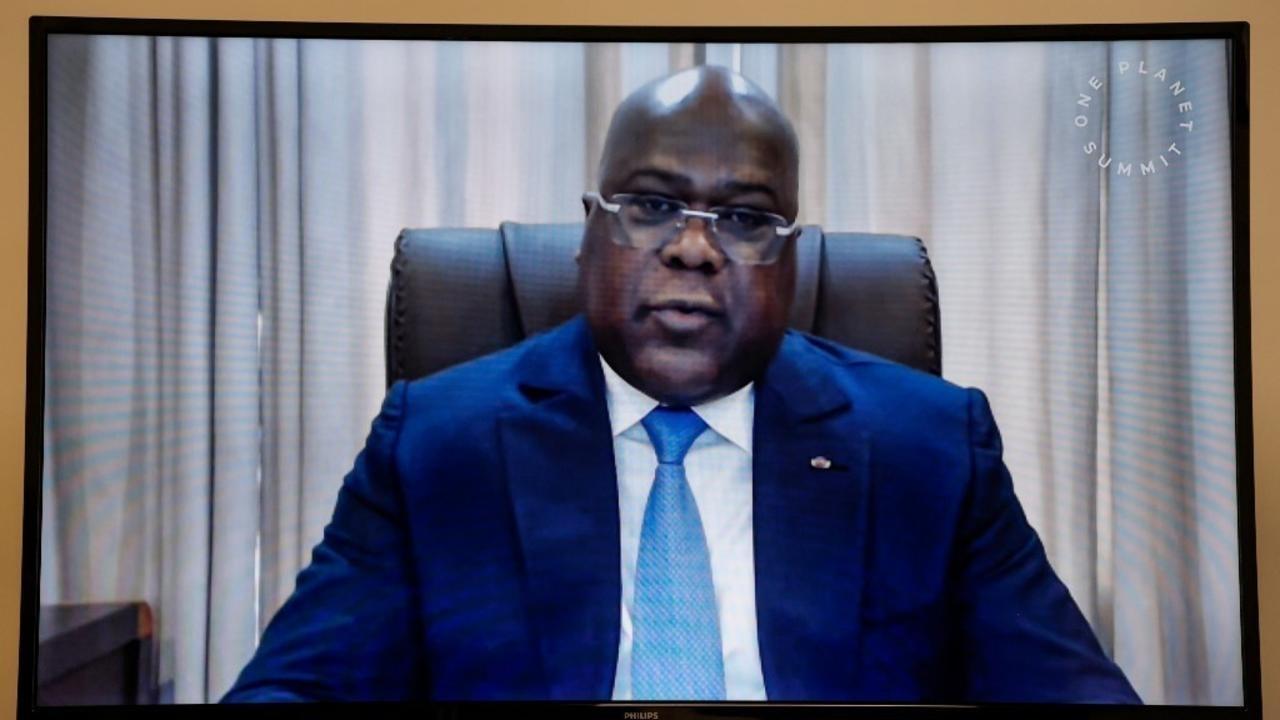
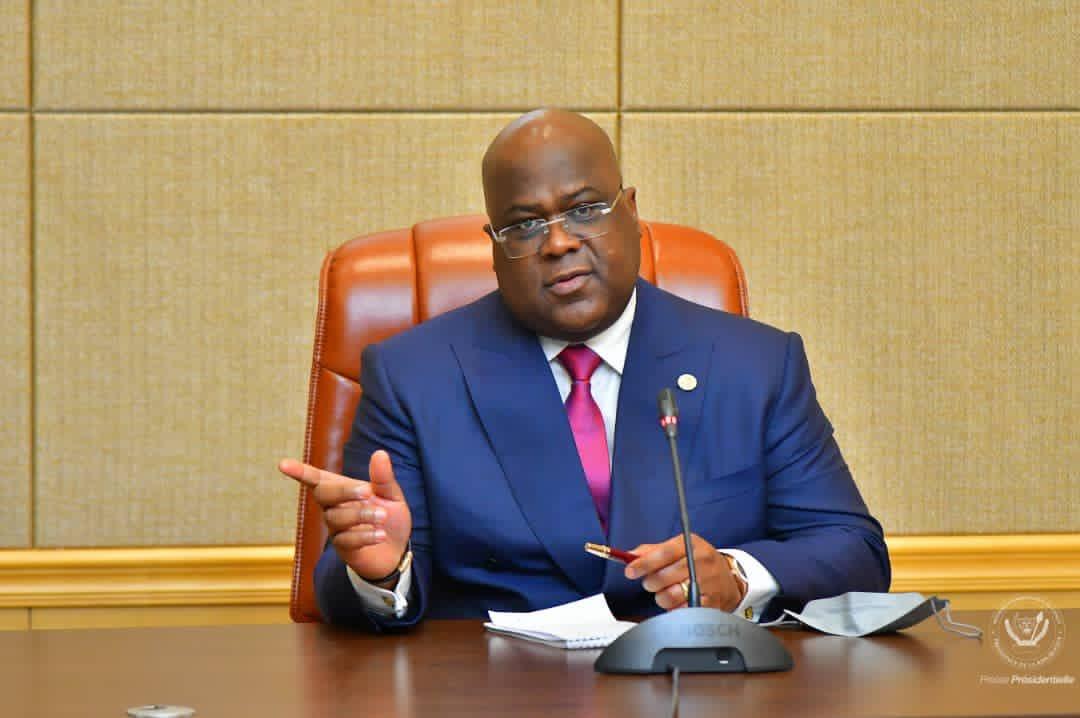
This inauguration will also be an opportunity to hear from Congolese president Félix Tshisekedi, the organization's next incumbent president, whose one of the short-term objectives will be to establish a collective response to accelerate the vaccination campaign in Africa.
Between the epidemic and the security issues roiling the continent, but also culture and heritage, the theme of this 34th summit, surprising given the context, leaders will also have to address internal elections within the African Union.
► Read also: In the midst of pandemic, African Union puts culture in the spotlight
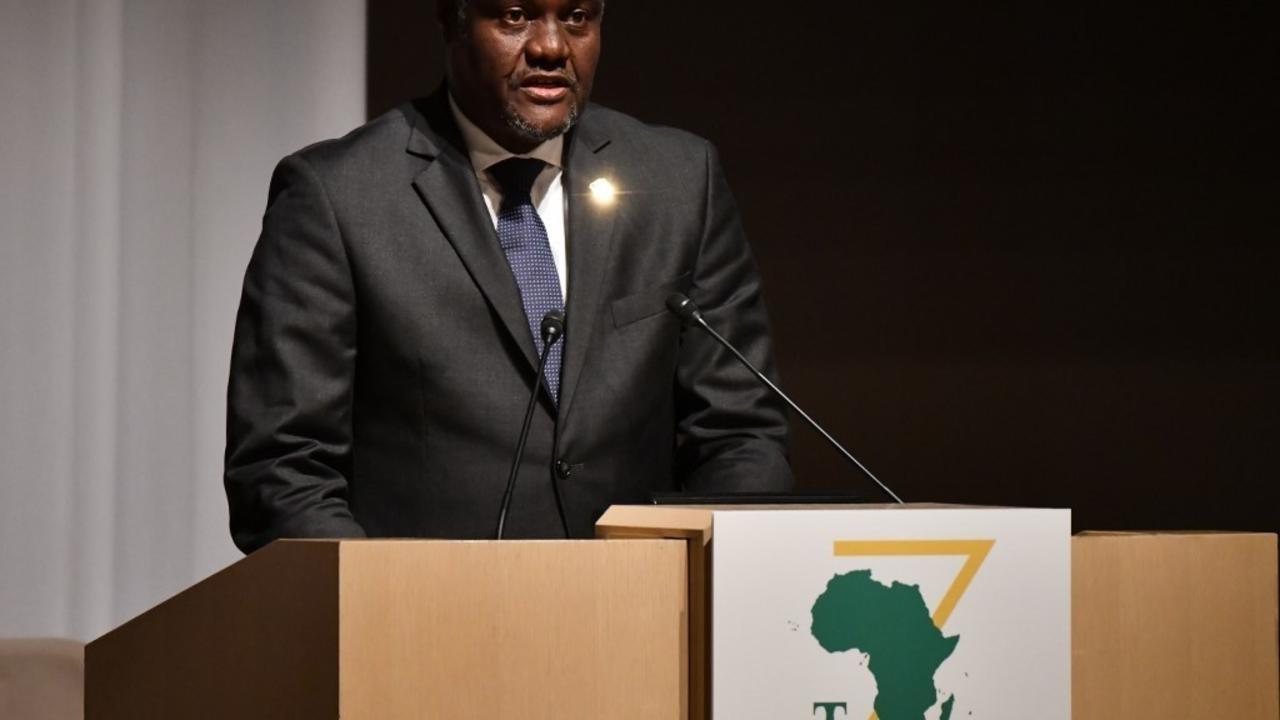
Moussa Faki Mahamat, former Prime Minister of Chad, is the sole candidate for his own succession as head of the Commission, the executive body of the Union. For Elissa Jobson, advocacy officer at the NGO International Crisis Group, the summit is an opportunity for the AU and African heads of state to fully reclaim their role in resolving conflicts.
"What we would like to see is an African Union capable of playing a decisive role in managing crises, particularly in Ethiopia. At the end of November, the African Union had sent mediators there but they were not received by the government. We believe that the AU must not become discouraged and that it is important that it remains engaged in this conflict, just as it is in Sudan for example.
In Central African Republic, after having played an important role in 2019 in achieving an agreement between armed groups and the government, we now have the impression that the organization has let this conflict drop off its radar. African heads of state prefer to listen to their compatriots rather than Westerners. This is why it is important that the African Union take charge of managing conflicts in Africa to ensure a regional solution to crises. This is a crucial year for the AU. We must quickly know who will head the commission, it will be better for the proper functioning of the organization. "
But these video-conference elections are not to everyone's liking. In a letter addressed to the president of the African Union, Uganda is calling for a postponement of elections for the head of the AU by one year. The letter – dated January 25 – is signed by Ugandan president Yoweri Museveni, who explains that it is difficult to hold such important elections by video conference. Several other countries have voiced their concerns about holding these remote elections.
Concerns that were debated last weekend by the bureau of heads of state, which rejected Kampala's request for postponement.
For researcher Pape Ibrahima Kane, there are indeed concerns about the transparency and reliability of such a vote. It is a first for the AU, he adds, and the stakes are high.
Besides the position of Commission president, there is also that of vice president, for which Uganda has a candidate: academic Pamela Mbabazi. But the competition is shaping up to be tight. She will have to face a heavyweight candidacy: Rwanda's National Bank deputy governor, Monique Nsanza-Baganwa.
Our editors' picks of what matters. Monday to Friday.
By subscribing, you accept our privacy policy.