Article
Preparing the article…
If a translation is needed, this may take a few seconds.
If a translation is needed, this may take a few seconds.
Refugees, internally displaced persons, and host families commit to working together to counter stereotypes and prejudice in Uvira. This commitment was made during an exchange organized by Benevolencija Great Lakes on Saturday, July 15, to promote connectors between refugees, displaced persons, and indigenous populations. The…
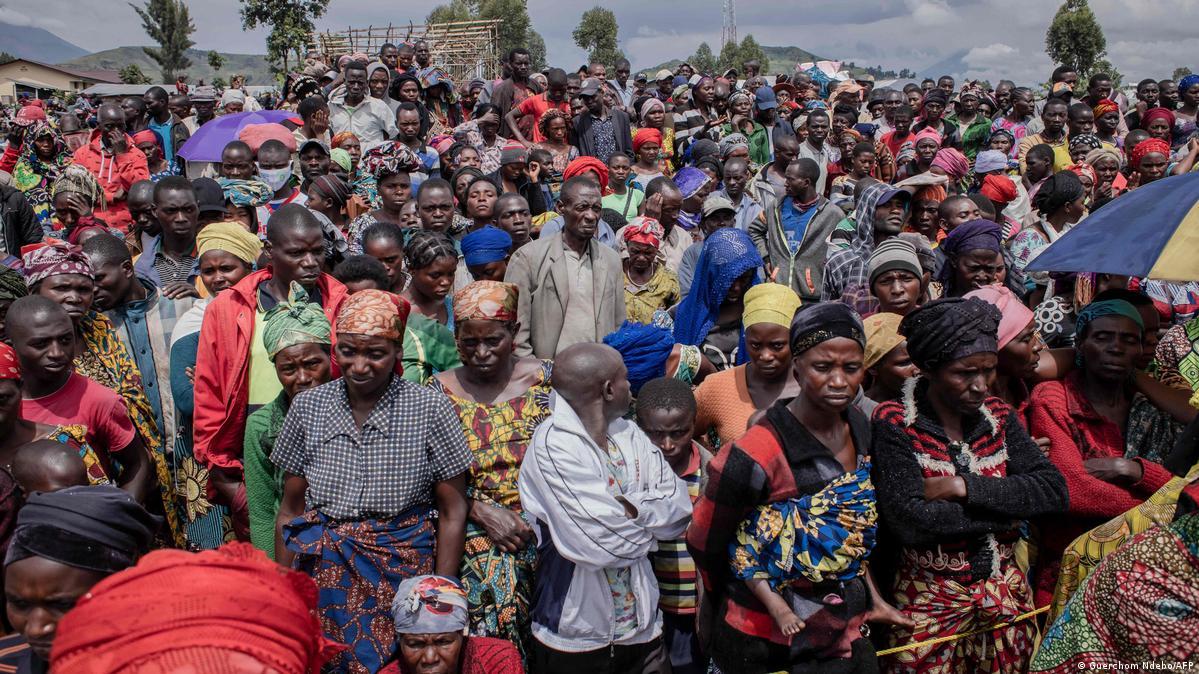
Displaced persons, refugees and Burundian economic migrants, indigenous peoples, community leaders, and authorities from Uvira gathered around a table this Saturday in Uvira. This exchange framework aims to end the consequences resulting from the spread of stereotypes and prejudices against displaced persons, refugees, and economic migrants in Uvira.
Kabailamia Wissi Baudouin, program officer at Benevolencija Great Lakes, clarifies that these discussions will enable these categories of people who live in mutual mistrust to prioritize connectors over divisors for peaceful cohesion.
Refugees, economic migrants, and displaced persons are victims of stereotypes and prejudices throughout their lives in the host community. These imaginings and generalizations place this category of person in a life of frustration, says Museveni Eric, a displaced person living in Uvira for a year.
"We are branded as killers and accomplices of armed groups destabilizing the region. These prejudices make us uncomfortable in our host families," he notes.
Joël Ndikumana, an economic migrant of Burundian origin, acknowledges the efforts made by host families in providing them with opportunities. However, he protests against the arbitrary arrests suffered by Burundian migrants in Uvira.
Rashidi Nafisa Agnes, vice president of Uvira's urban youth council, promises to raise awareness among young people about the consequences of stereotypes and prejudices on community cohesion. According to this youth authority, promoting living together must be done by every breathing human. She concludes by saying that connectors are stronger than divisors in the Great Lakes region, which is why everyone must promote activities that connect them.
The refugees, displaced persons, and migrant workers present in the room committed to engaging much more closely with the indigenous population in all activities aimed at cohesion in order to eliminate prejudices. On this occasion, civil society structures recommend the integration of foreigners and displaced persons into conflict management committees as another avenue for combating speculation, prejudices, and stereotypes.
It should be recalled that, within the framework of bringing foreigners and indigenous peoples closer together, Burundian economic migrants and young people from Uvira met in a football match at Uvira's Unity stadium on June 30.
Our editors' picks of what matters. Monday to Friday.
By subscribing, you accept our privacy policy.