Article
Preparing the article…
If a translation is needed, this may take a few seconds.
If a translation is needed, this may take a few seconds.
In eastern Burundi's heartland, the Busuma camp is overwhelmed by more than 100,000 Congolese refugees fleeing fighting in eastern DRC. Thousands sleep in the open air, without blankets or shelters, while food and health services are completely overwhelmed. Facing an "alarming" crisis, urgent financial mobilization is being demanded to prevent a major humanitarian catastrophe.
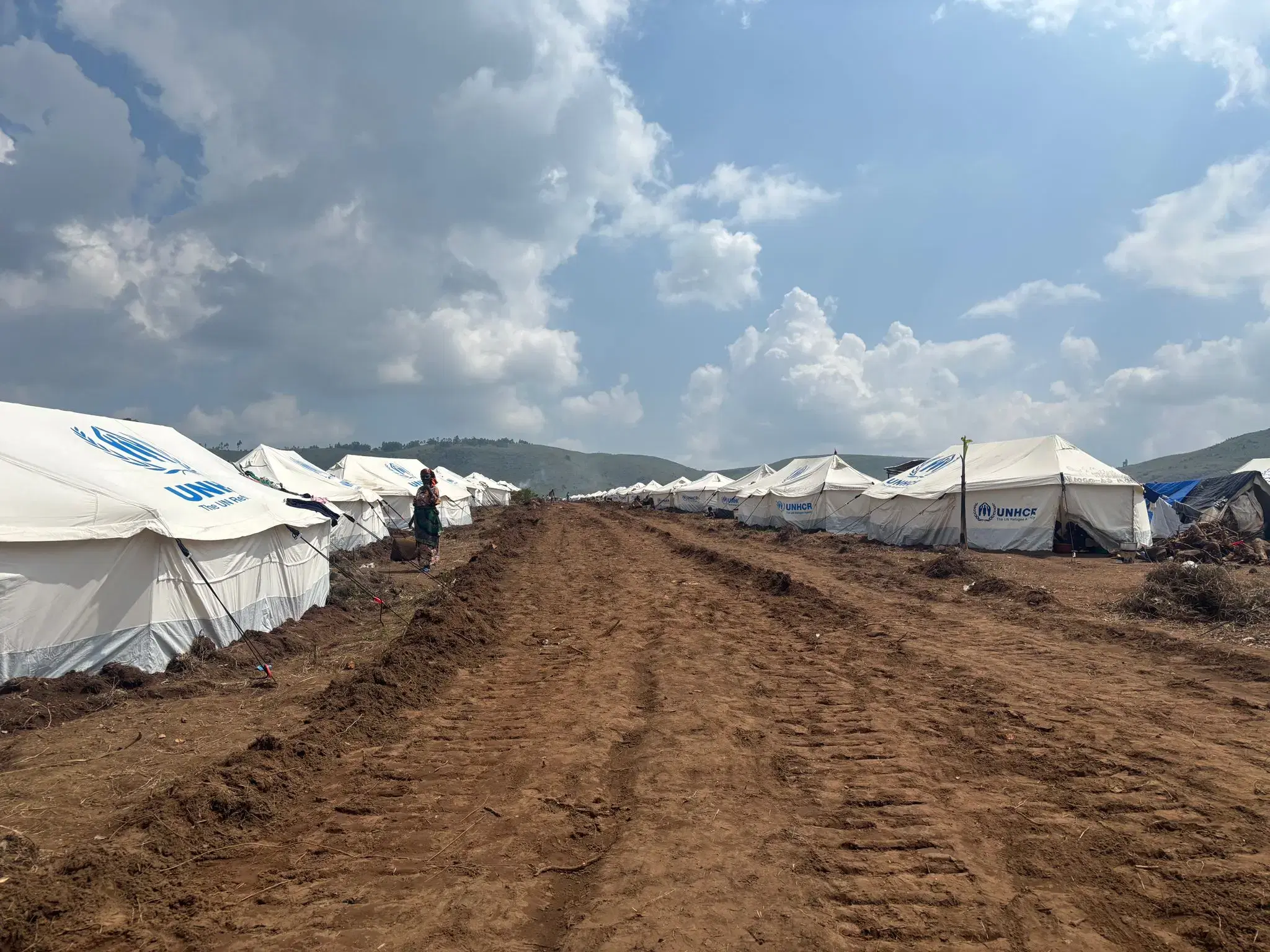
The Busuma site, in the commune of Ruyigi in Buhumuza province in eastern Burundi, has become the symbol of an unprecedented humanitarian emergency. Since the violent escalation in eastern Democratic Republic of the Congo in December 2025, particularly following the capture of the city of Uvira by AFC/M23 rebels, more than 90,000 Congolese have fled to Burundi in a matter of weeks, bringing the total to approximately 101,000 new arrivals by the end of 2025.
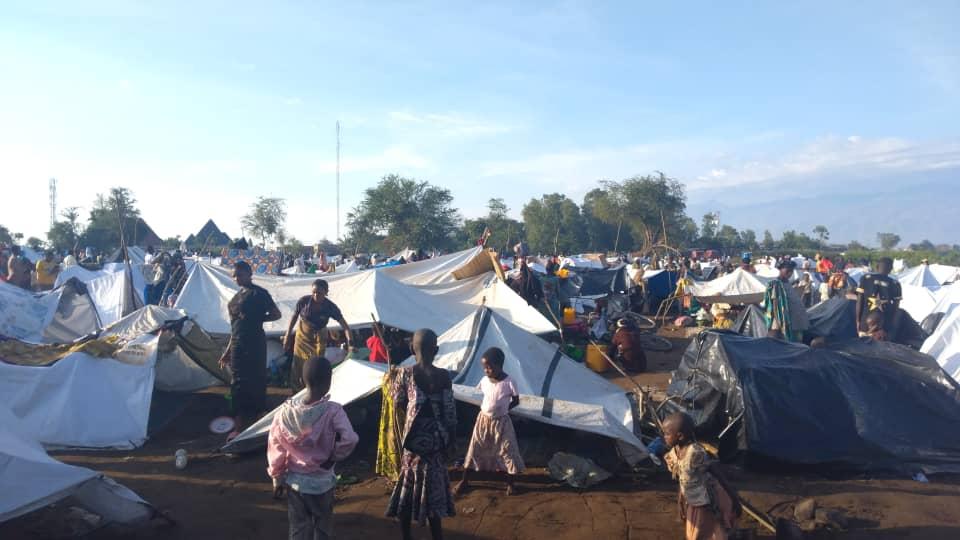
This massive flow quickly saturated reception capacities. The Busuma site, opened in emergency, now hosts more than 100,000 people according to the latest figures recorded by UNHCR and ONPRA in January 2026. Thousands still sleep under makeshift tents or in the open air, exposed to the intense cold of the highlands, rain, and bad weather. Minimum humanitarian standards are far from being met, warns Médecins Sans Frontières (MSF), which describes a situation as "alarming" and "far below minimum standards".
Poignant testimonies of despair. Maombi Luth Bisimwa, who arrived on November 13, 2025 in the fifth convoy, recounts her ordeal: "I arrived here on November 13, 2025. I am from the fifth convoy but until now I still haven't had anywhere to sleep even though I have 14 children. No shelter, no ration, we are just here like this."
Health services are overwhelmed. A single mobile clinic must cover more than 15,000 consultations per day. Insufficient medicine stocks, returns without treatment, successive epidemics: cholera on arrival, then malaria favored by the cold and precarious conditions.
Eric Kayobegwa Kasigwa testifies: "When we fall sick, some can be treated and others cannot. The quantity of medicines is insufficient. [...] Today it is malaria that is killing people in large numbers because of intense cold. Our recommendation is that houses be built for us, blankets distributed to everyone, and rations provided."
The tragedy peaked at the end of January 2026 with the death of 22 refugees in a single day at the camp, according to local sources.
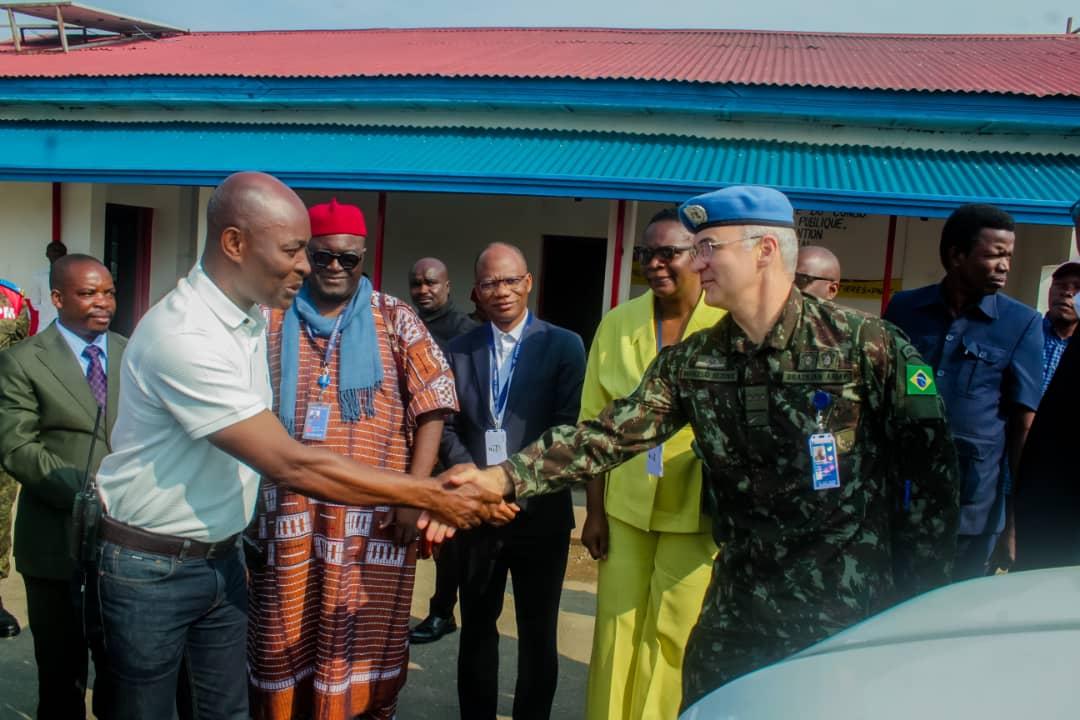
Brigitte Mukanga Eno, representative of the United Nations High Commissioner for Refugees (UNHCR) in Burundi, insists on the absolute urgency.
"These are urgent needs. We must act quickly, we must respond to prevent the situation from continuing to deteriorate. Above all, all these people must eat. Shelters must be created to protect them from rain and bad weather. That cannot wait either. And we sincerely hope that our development and financial partners will be able to come to support Burundi in responding to this humanitarian situation," she appealed to donors.
In December 2025, UNHCR, the UN, and the Burundian government launched a joint funding appeal, but financing remains very insufficient. WFP, MSF, UNICEF, and other actors are multiplying alerts: drinking water is rare, sanitation is precarious, and there are high risks of malnutrition and disease.
This crisis adds to an already crushing humanitarian burden for Burundi: More than 36,000 refugees arrived in February 2025 (many of whom were relocated to Musenyi);
The country is now hosting more than 200,000 Congolese refugees in total, far beyond its capacity. Without rapid and massive financial mobilization by the international community, conditions risk deteriorating further, threatening thousands of lives, particularly those of children, who are paying the heaviest price.
Our editors' picks of what matters. Monday to Friday.
By subscribing, you accept our privacy policy.