Article
Preparing the article…
If a translation is needed, this may take a few seconds.
If a translation is needed, this may take a few seconds.
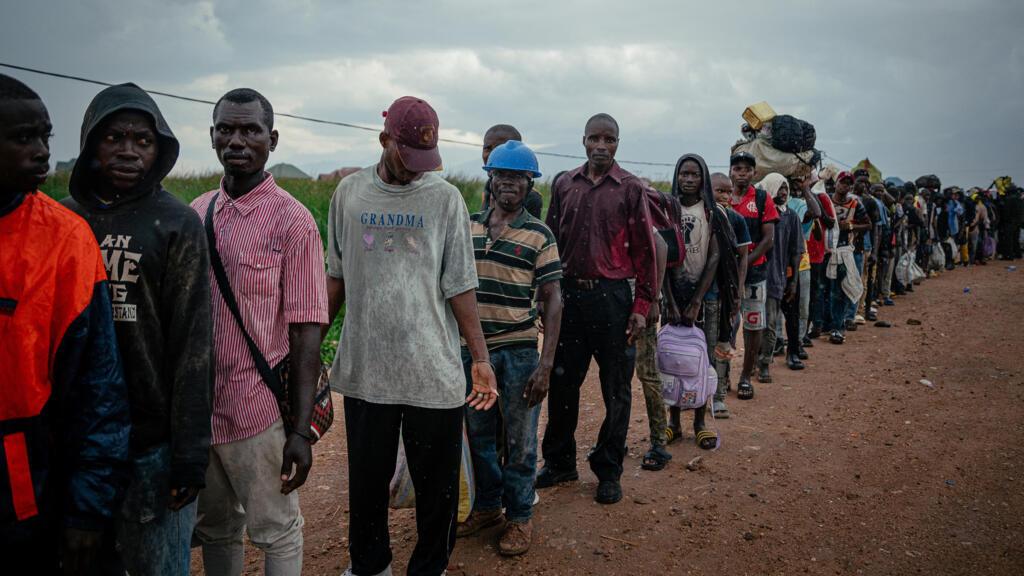
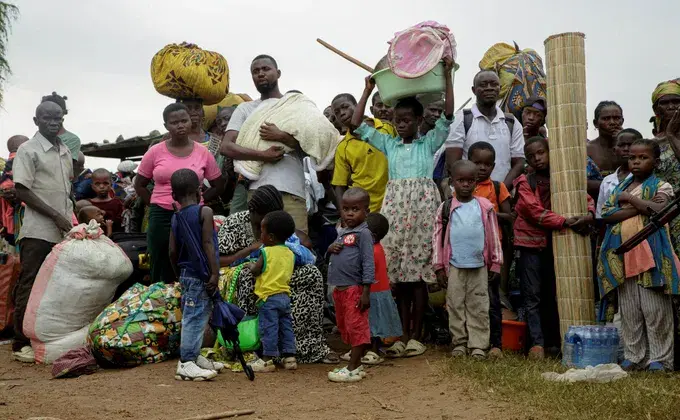
Nearly 20,000 Congolese refugees have expressed their wish to voluntarily return from Burundi to the Democratic Republic of Congo. This return is organized under the coordination of UNHCR, in collaboration with the authorities of both countries. It is taking place in a context of strong humanitarian pressure, marked by significant population displacements fleeing fighting in eastern DRC. The program has already begun with the departure of a first convoy of 462 people.
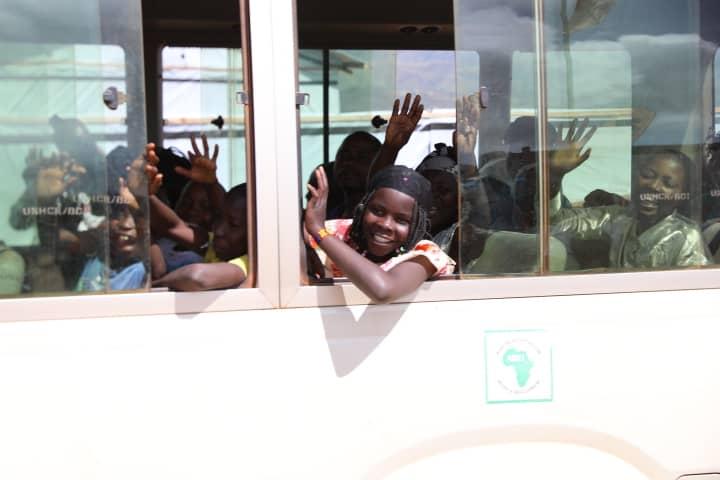
The return process for Congolese refugees settled in Burundi, mainly at the Busuma site, is experiencing significant acceleration. According to the United Nations High Commissioner for Refugees (UNHCR), nearly 20,000 refugees have already registered for voluntary repatriation to the Democratic Republic of Congo. These registrations do not result from a spontaneous movement, but from a gradual process.
Faced with the scale of registrations, UNHCR is ensuring that returns remain voluntary. Individual interviews are conducted with each candidate to ensure that no pressure influences their decision. "The return must remain a free, informed, and dignified choice," emphasizes Brigitte Mukanga Eno, UNHCR representative in Burundi.
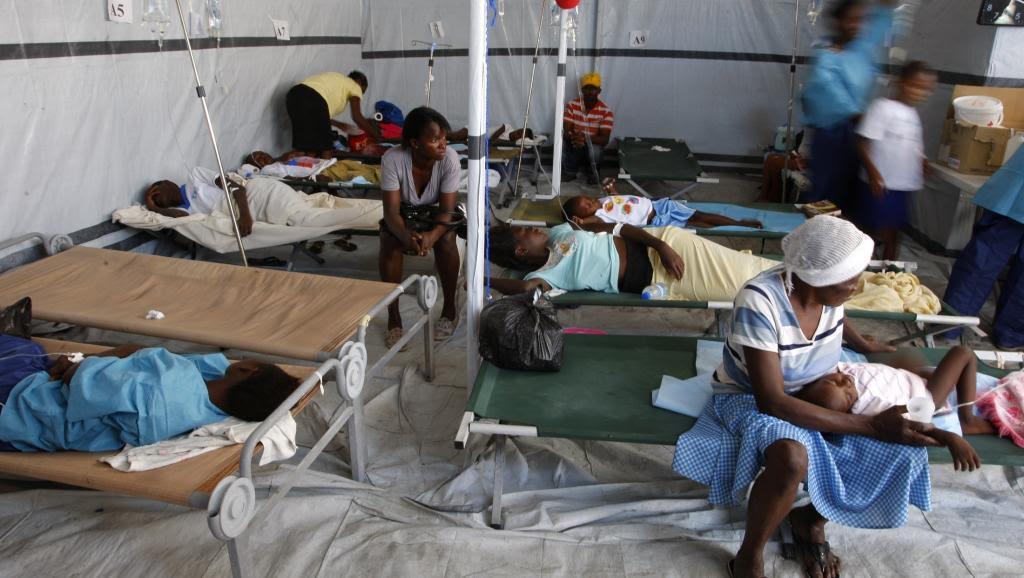
The motivations for return are varied, namely the desire to find a familiar living environment, difficulties linked to prolonged exile, or limited prospects in reception sites. "The climate, first of all, has complicated things for us here. There are diseases, there are many deaths," Luc Birikoko, a Congolese refugee from the Busuma site, originally from Luvungi in South Kivu, told TV5Monde.
For Promesse Bahati, the desire to see her parents again is very strong. "I neither see my mother nor my father. I don't talk to them, I don't have their phone number. I suffer greatly," she specifies.
462 Congolese refugees open repatriation phase from Busuma
The first convoy of 462 people was repatriated on Thursday, April 23, 2026, marking the effective launch of the operation. Departing from the Busuma site in Buhumuza province, this group was taken to the Kavimvira transit center in DRC, before being directed to their areas of origin.
For humanitarian actors, these first repatriated constitute a pilot group, whose monitoring will allow assessment of actual return conditions and adjustment of the system if necessary.
The passage from thousands of registrations to concrete departures represents a major logistical challenge. The organization of convoys, the preparation of financial assistance, and coordination with Congolese authorities require rigorous planning. In this framework, convoys of approximately 1,000 people are scheduled for the week of the 27th.
UNHCR plans close monitoring of the first repatriates in order to evaluate the effectiveness of the system and make necessary adjustments. In a context that remains regionally unstable, this return dynamic remains fragile, but it constitutes an important indicator of the evolution of the situation of Congolese refugees.
Read also: DRC-Uvira: more than 1,100 cases of rape in three months, an alarming and underestimated crisis
Assistance system for return and reintegration of repatriated households
Before their departure, candidates for return receive a travel preparation allowance equivalent to 30 USD per person, paid in Burundian francs approximately three days before departure at the transit center. This aid is intended to cover immediate expenses related to preparing the displacement.
After return to the Democratic Republic of Congo, repatriated households benefit from humanitarian assistance including in particular food aid for two months, provided in kind or in monetary equivalent depending on needs. Support for temporary housing can also be provided upon arrival, notably via transit centers offering food and drinking water to ensure minimum conditions of dignity.
In addition, several reintegration supports are provided: a multipurpose subsidy (150 USD per adult and 75 USD per child) for essential needs and economic activities, housing assistance of 100 USD per person, educational support of 81 USD per child for schooling, and a hygiene kit of 46 USD intended for women aged 12 to 49 years to meet hygiene and dignity needs.
Burundi today hosts more than 190,000 refugees, the majority Congolese, which exerts constant pressure on reception capacities and humanitarian resources. In this context, voluntary return appears for some as an option, sometimes by choice, sometimes by necessity.
However, the situation in eastern Democratic Republic of Congo remains unstable, particularly in South Kivu and North Kivu provinces. This reality raises the question of the sustainability of ongoing returns.
Prosper Aobe
Our editors' picks of what matters. Monday to Friday.
By subscribing, you accept our privacy policy.