Article
Preparing the article…
If a translation is needed, this may take a few seconds.
If a translation is needed, this may take a few seconds.
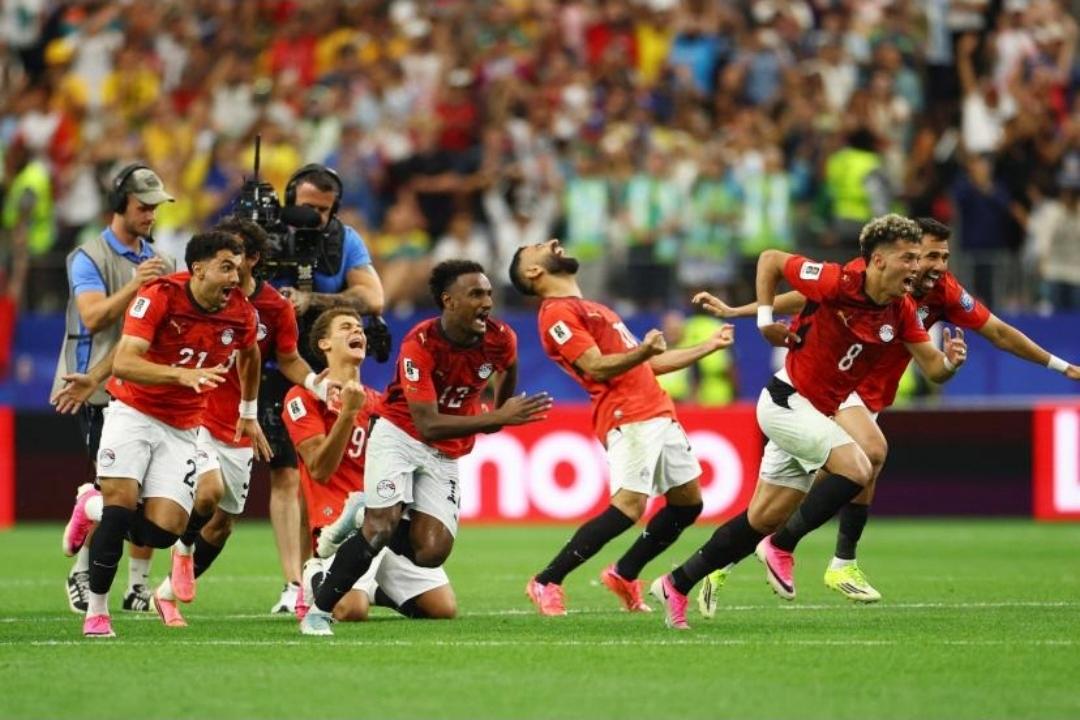
The final of the 2025 Africa Cup of Nations highlighted cultural tensions between Morocco and its sub-Saharan neighbors.
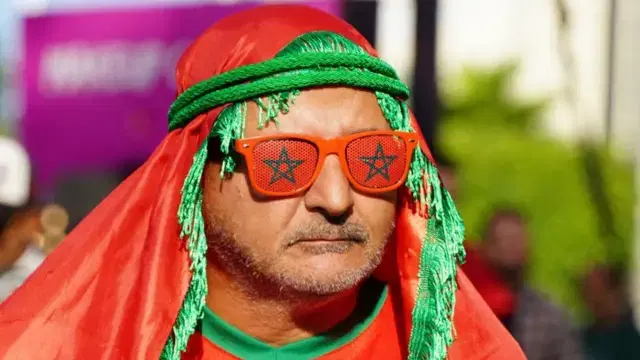
The final of the Africa Cup of Nations (CAN) 2025, which recently took place, sparked an intense debate about the African identity of Moroccans. François Soudan, in an article published in Jeune Afrique, raises the question: Are Moroccans Africans like others? This question resonates particularly in the current context where Morocco seeks to strengthen its ties with sub-Saharan Africa.
Since his accession to the throne over twenty years ago, King Mohammed VI has directed Morocco's foreign policy towards the African continent. In 2017, the country rejoined the African Union, marking a turning point in its diplomatic relations. However, this reorientation has not eliminated the cultural fractures that persist. According to Soudan, these tensions were evident during the CAN 2025 final, where King Mohammed VI's absence in Yaoundé was perceived as a sign of disinterest in African issues.
The king has only attended one official match since his coronation: during the final won by the Atlas Lions against Malawi last January. This gesture was interpreted as a desire to demonstrate his attachment to Africa. However, his absence in Yaoundé has reignited criticism regarding the perception that some Moroccans have of their African identity.
Previous surveys, such as those reported by the BBC, show that nearly half of Moroccans consider emigrating to Western countries in search of immediate political change. This raises questions about their sense of belonging to the African continent. Younger generations appear torn between national pride and cultural distance from their sub-Saharan neighbors.
Morocco's efforts to play an active role in Africa thus face a complex reality. On one hand, the country is multiplying initiatives in regional integration and economic cooperation. On the other hand, cultural prejudices remain entrenched, fueled by historical stereotypes and biased perceptions.
In this context, it is crucial to question the foundations of Moroccan identity and its place within the African continent. The debates surrounding CAN 2025 could serve as a catalyst for a deeper reflection on belonging and African solidarity.
Our editors' picks of what matters. Monday to Friday.
By subscribing, you accept our privacy policy.