Article
Preparing the article…
If a translation is needed, this may take a few seconds.
If a translation is needed, this may take a few seconds.
The rise in asphalt prices, a direct consequence of the conflict in the Middle East, severely impacts African infrastructure.
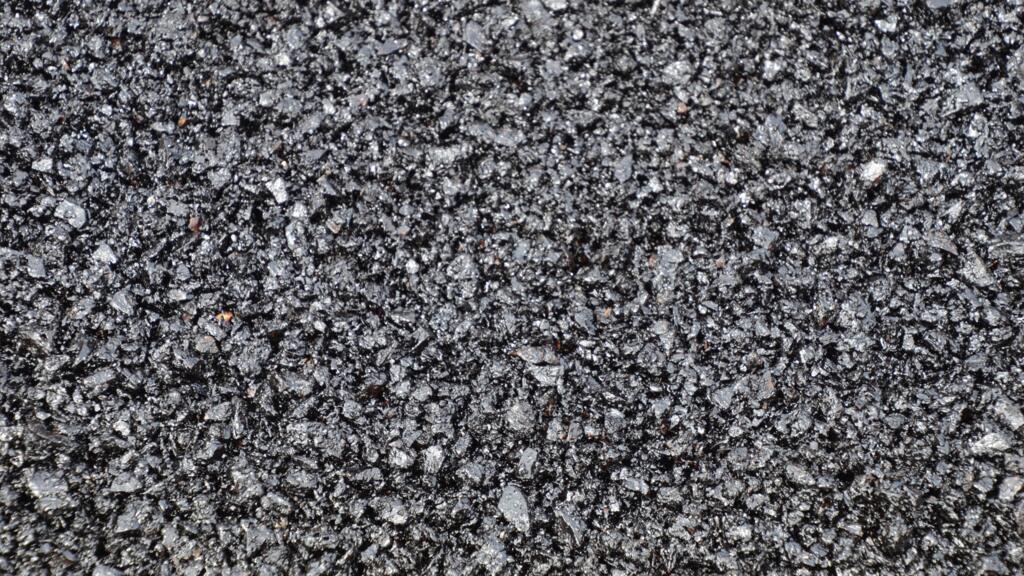
The war in the Middle East has led to a significant increase in asphalt prices, a crucial element for road construction and maintenance. This situation particularly affects African countries that rely entirely on imports of this raw material.
In Madagascar, for example, the dependence on asphalt imports is total. Dany Michael Ranivo, Deputy General Administrator of the Ministry of Public Works, explains: “We import the raw material that allows us to make asphalt; without asphalt, we cannot make tar.” This reality highlights the challenges faced by island nations in ensuring adequate road infrastructure.
Richard Ferraz, General Director of Colas Madagascar, emphasizes that the cost of asphalt has quadrupled since the onset of the conflict. He specifies that 97% of the asphalt used on the island comes directly or indirectly from the Middle East. “Before the war (in Ukraine), the price per kiloliter was about 650 euros. Right now, it is 2,700 euros,” he states.
This price surge has alarming consequences for infrastructure projects. The budgets allocated for road construction and rehabilitation are now insufficient to cope with these exorbitant costs. African governments must therefore reassess their priorities and consider alternative solutions to maintain their road networks.
In a context where road infrastructure is already often failing, this crisis could worsen the situation by making access to essential services even more difficult for rural and urban populations. Dependence on external supply also exposes African countries to geopolitical fluctuations.
The case of Madagascar is not isolated. Other African nations face similar difficulties, exacerbated by the war in Ukraine, which has also disrupted other vital supply chains. African leaders must therefore act quickly to diversify their supply sources and reduce their vulnerability to international crises.
Our editors' picks of what matters. Monday to Friday.
By subscribing, you accept our privacy policy.