Article
Preparing the article…
If a translation is needed, this may take a few seconds.
If a translation is needed, this may take a few seconds.
The ECOWAS Bank for Investment and Development (EBID) is engaging in strategic financing aimed at boosting the private sector and enhancing energy security in a region facing increasing challenges.
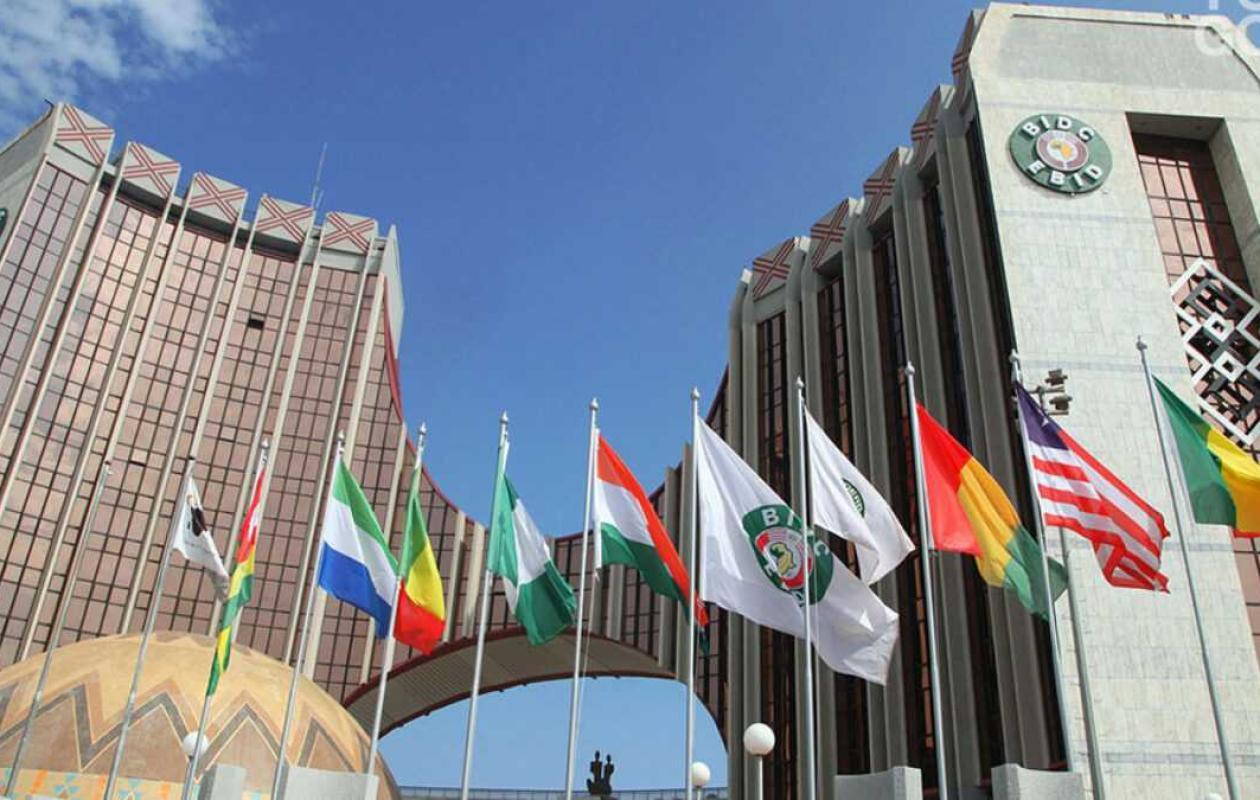
In a context where access to energy remains a major concern in West Africa, the ECOWAS Bank for Investment and Development (EBID) recently announced a substantial investment of over 10 billion FCFA, or approximately 75 million USD. This decision was made during the annual meetings held in Accra, Ghana, highlighting the urgency and importance of developing the energy sector in this region.
According to the official statement published by EBID, this investment primarily aims to stimulate private investments in the energy sector. The bank emphasizes that energy has become a central issue for sustainable development in West Africa, particularly in countries where energy infrastructure is often inadequate or outdated.
A Pressing Demographic Context
West Africa is currently facing rapid population growth. A previous report indicated that the population is increasing by about 10 million inhabitants per year. This demographic pressure exacerbates energy needs, making the rapid and effective implementation of projects like the one approved by EBID essential to avoid an energy crisis that could hinder regional economic development.
The president of EBID, Samé S. Tchagba, specified that this financing aims not only to meet immediate energy needs but also to create a conducive framework for sustainable economic development. “This project is part of our overall strategy to support initiatives that ensure broader access to modern energy infrastructure,” he stated at a conference held after the annual meetings.
Regional Interconnection: A Major Challenge
One of the crucial aspects of the project funded by EBID is its potential to promote regional interconnection of electricity networks. Indeed, several West African countries continue to be energy isolated, limiting their ability to exchange or sell their electricity surplus to neighboring countries. Increased interconnection could not only improve energy efficiency but also reduce costs for end consumers.
This effort adds to previous initiatives led by other African financial institutions such as the African Development Bank (ADB). In June 2021, the latter announced an ambitious project with a projected budget of 465 million USD aimed at increasing electrical grid connections in several African countries.
Economic and Social Implications
Improving energy infrastructure is expected to have considerable positive repercussions on the regional economic climate. According to various economic experts consulted, there is a direct correlation between energy availability and economic attractiveness. Support for energy infrastructure is therefore essential not only to improve daily access to electricity but also to create a favorable business environment and encourage more foreign direct investment.
Furthermore, this financing could significantly contribute to reducing social disparities exacerbated by the chronic lack of access to reliable and affordable energy. Rural communities, in particular, could see their situation improve due to the planned deployment of new electrical infrastructure supported by this massive investment.
Next Steps: Identifying Beneficiary Projects
With this new funding in place, EBID is now turning to the precise identification of specific projects that will directly benefit from the financial support provided. According to Samé S. Tchagba, several criteria will be used to determine which projects will receive priority for these funds to effectively meet the set objectives both socially and economically.
Further announcements regarding this selection are expected to be made soon as the bank continues its consultations with various local and international partners to ensure that every dollar invested has a maximum impact on the ground while fully respecting recognized international environmental standards.
Our editors' picks of what matters. Monday to Friday.
By subscribing, you accept our privacy policy.