Article
Preparing the article…
If a translation is needed, this may take a few seconds.
If a translation is needed, this may take a few seconds.
The Belgian Court of Cassation has confirmed a historic ruling, making the appellate decision final.
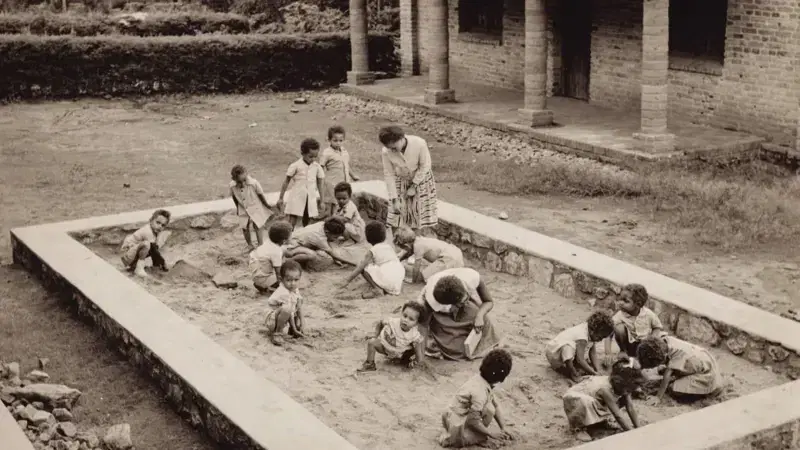
Belgium has been definitively condemned for crimes against humanity committed during the colonial period in the Democratic Republic of Congo (RDC). This decision was confirmed by the Belgian Court of Cassation, which rejected the appeal filed by the Belgian state following an initial ruling made in 2024.
This legal case highlights the policy of racial segregation and apartheid implemented by Belgian authorities towards children born from unions between colonizers and Congolese women. According to the verdict, this policy deprived these children of their Belgian citizenship and the associated rights. The judges stated that these acts not only constituted a violation of human rights but also amounted to crimes against humanity.
The decision of the Court of Cassation marks a significant step in Belgian-Congolese relations, which have often been marked by a controversial colonial past. Indeed, Belgium has long been criticized for its role in the atrocities committed during the colonization of the RDC, which lasted from 1885 to 1960. The consequences of this period continue to affect relations between the two countries.
Human rights organizations and experts on the colonial past have hailed this decision as a step towards justice for the victims and their descendants. They emphasize that acknowledging past crimes is essential for establishing a more balanced and respectful relationship between Belgium and the RDC.
In a context where discussions about reparations and official apologies remain lively, this condemnation could prompt other countries to reflect on their own colonial past. Calls have already been made, including by the United Nations, for Belgium to issue public apologies for its actions during this dark period of its history.
The struggle for recognition of past injustices and for reparations continues to be a pressing issue both in Belgium and in the RDC.
Our editors' picks of what matters. Monday to Friday.
By subscribing, you accept our privacy policy.