Article
Preparing the article…
If a translation is needed, this may take a few seconds.
If a translation is needed, this may take a few seconds.
The military court of Kikwit has imposed a death sentence on two men linked to a criminal gang following the murder of a young man in the Kazamba municipality.
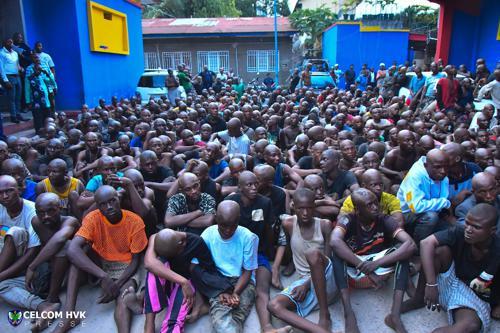
The military court of Kikwit, in the Kwilu province of the Democratic Republic of Congo, sentenced two individuals identified as members of a criminal gang known as "kuluna" to death on Tuesday, May 12. They are accused of having killed a young man in the Kazamba municipality, in the Ancien Combattants neighborhood.
According to information provided by judicial sources, the victim was engaged in agricultural work when he was attacked. His relatives reported that he had been held captive for two days before his body was found, marked by several stab wounds.
The alleged perpetrators fled after committing their act. However, they were apprehended thanks to reports made by members of the local community. This swift arrest allowed law enforcement to act effectively against this endemic crime affecting the region.
The attack that occurred in the Ancien Combattants neighborhood is not an isolated incident. The Kazamba municipality has been the scene of several similar criminal acts in recent years, contributing to a growing climate of insecurity in this part of the country. The kuluna, often described as armed gangs or groups of delinquents, continue to pose a major challenge for Congolese authorities.
This conviction comes in a context where military courts are regularly called upon to handle cases related to violence and insecurity. In September 2019, the military court of Kananga had already sentenced several individuals to death for similar crimes, demonstrating the judicial institutions' willingness to crack down on impunity.
Local authorities hope that this judicial decision will serve as an example and deter other criminal acts in the region. However, the fight against the kuluna requires a more comprehensive approach that includes not only repressive measures but also initiatives aimed at strengthening the security and well-being of affected communities.
Our editors' picks of what matters. Monday to Friday.
By subscribing, you accept our privacy policy.