Article
Preparing the article…
If a translation is needed, this may take a few seconds.
If a translation is needed, this may take a few seconds.
Sierra Leone, through a project supported by France, is investing in agro-industry to reduce its food dependency.
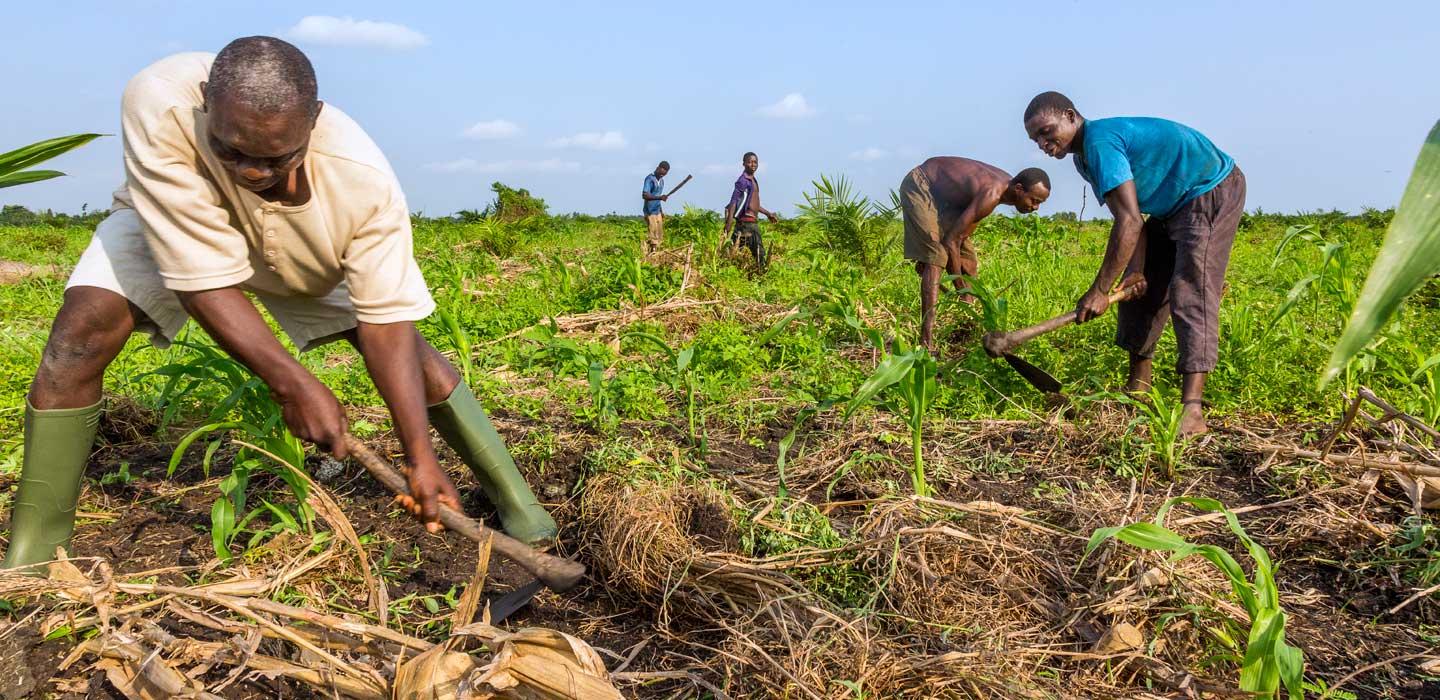
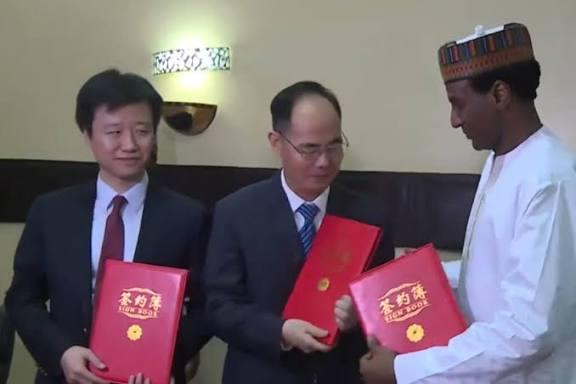
In Freetown, the capital of Sierra Leone, a new commitment to food self-sufficiency is emerging. France has recently conditioned a €2 million loan on the construction of a large industrial mill, aimed at enhancing the storage and processing of local cereal products. This project is part of a broader desire by the West African nation to limit its dependence on food imports, particularly during this period marked by geopolitical crises.
The French government, through Proparco, its arm for private investments in Africa, has launched a call for tenders to ensure the proper functioning of this equipment. According to reports from Proparco, this mill is crucial for improving the storage and processing of local foodstuffs. It is also expected to facilitate the import and export of cereals, particularly rice and maize.
Sierra Leone is no stranger to food challenges. Previous information indicates that the country has long suffered from an excessive reliance on imports to meet its nutritional needs. In 2019, LE JOURNAL.AFRICA reported that similar initiatives were necessary to revitalize the local agro-food sector.
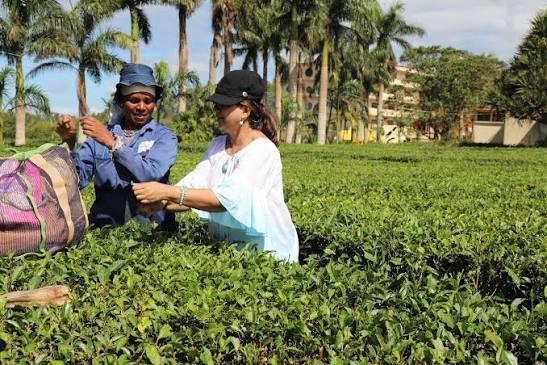
The current project aims to transform this dynamic by enabling local farmers to access modern infrastructure. By modernizing agricultural production methods and ensuring adequate storage, Freetown hopes to make its communities less vulnerable to fluctuations in the international market.
Local economy and food security are at the heart of the concerns of Sierra Leonean authorities. The Minister of Finance emphasized the importance of this mill as part of a national strategy aimed at boosting agricultural production and ensuring sufficient food for the population. “It is imperative that we invest in our own production capacity,” he stated at a recent conference.
This project could also have a positive impact on local employment, creating jobs in the construction, agriculture, and food processing sectors. Authorities hope that this will help reduce the high unemployment rate that weighs on the country's economy.
With these concerted efforts, Freetown appears determined to make agro-industry a pillar of its economic development. Foreign investments, such as that from France, are seen as essential to catalyze this necessary transformation.
In conclusion, as Sierra Leone moves towards greater food autonomy through this ambitious project, the path remains fraught with challenges. Success will depend not only on financial commitment but also on the ability to mobilize local farmers around this shared vision.
Our editors' picks of what matters. Monday to Friday.
By subscribing, you accept our privacy policy.