Article
Preparing the article…
If a translation is needed, this may take a few seconds.
If a translation is needed, this may take a few seconds.
The celebration of the 80th anniversary of the United Nations in 2025 marks a crucial step towards strengthening the ideals of peace and international cooperation.

The world is preparing to commemorate the 80th anniversary of the United Nations in 2025, an occasion that could redefine global commitments to peace and sustainable development. That year, the United Nations General Assembly will host a high-level debate scheduled for September 23, focusing on contemporary challenges such as the COVID-19 pandemic, climate crises, and ongoing conflicts. According to the Center on International Cooperation, this event could mark a decisive turning point in how the international community addresses these complex issues.
Strengthened Multilateralism for Global Challenges
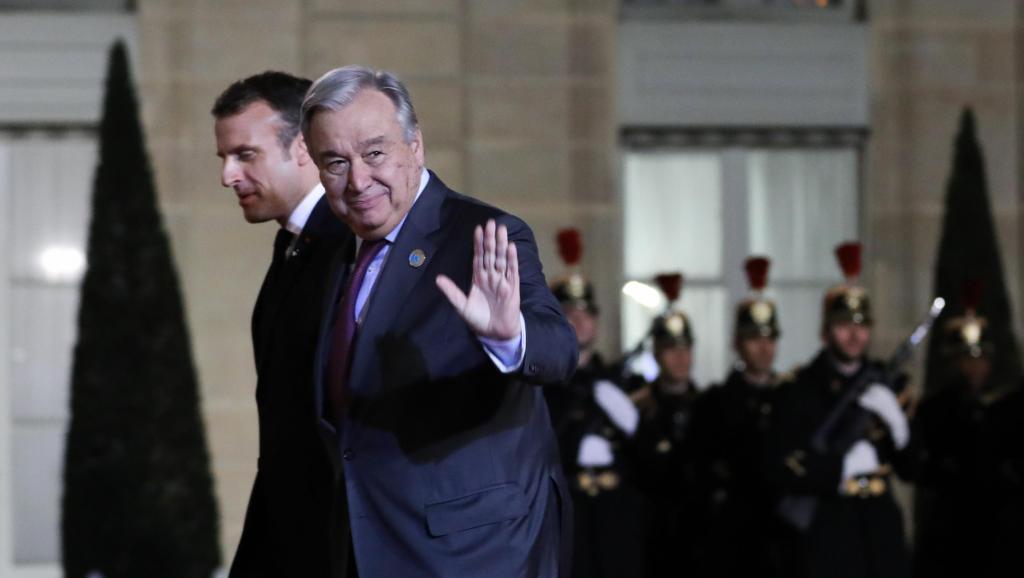
António Guterres, Secretary-General of the United Nations, recently emphasized the crucial importance of strengthened multilateralism to address the growing challenges facing the world. In his statements, he asserted that "peace is the only path to a better future," a declaration that resonates particularly as geopolitical tensions intensify in various regions of the globe. Guterres calls for collective and concerted action to ensure that the ideals of peace and international cooperation are not only preserved but also strengthened.
Historically, the UN was founded after World War II with the primary goal of preventing future devastating conflicts. Since its establishment in 1945, it has been involved in several major initiatives aimed at stabilizing the world. The adoption of the Millennium Development Goals (MDGs) in 2000 and their transition to the Sustainable Development Goals (SDGs) in 2015 illustrate this evolution towards a more comprehensive and inclusive framework.
The institution also played a crucial role during the Paris Climate Agreement in 2015, where it facilitated a historic consensus among nearly all countries in the world to limit global warming. These efforts reflect a continued willingness to adapt its mandate to the changing needs of the modern world.
Key Issues: Global Health and Food Security
The United Nations High-Level Political Forum had already highlighted in July 2022 the need for renewed commitment to international cooperation. This observation remains relevant as nations prepare to address essential issues such as global health and food security at the upcoming summit. The COVID-19 pandemic has exposed systemic vulnerabilities in public health systems worldwide, underscoring the urgency of a collaborative approach to strengthen these infrastructures.
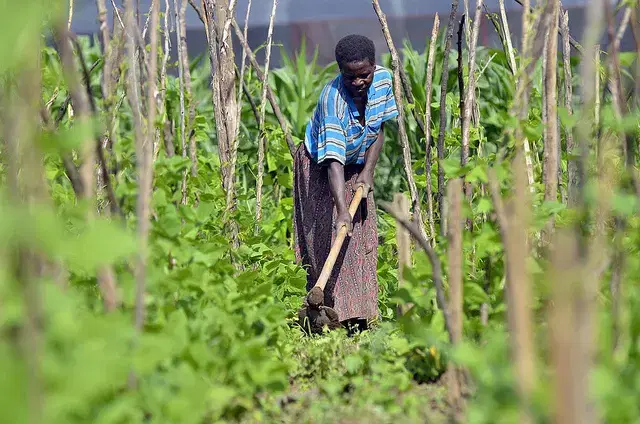
Similarly, food security remains a major challenge, exacerbated by armed conflicts and climate change. Prolonged droughts in sub-Saharan Africa have led to a significant decline in agricultural yields, threatening food security in several countries. According to the Food and Agriculture Organization of the United Nations (FAO), over 250 million people currently face the risk of acute food insecurity if no action is taken.
Improving agricultural infrastructure through technological innovation could be a viable solution. Investments in climate-resilient agricultural techniques are essential to ensure that vulnerable populations can access sufficient and nutritious food.
Climate Impact: A Shared Urgency
Alongside health and food issues, climate change remains a top priority on the international agenda. The report from the Intergovernmental Panel on Climate Change (IPCC) recently warned of catastrophic consequences if global warming is not limited to 1.5°C above pre-industrial levels. Extreme weather events are becoming more frequent and intense, particularly affecting African countries that contribute the least to global greenhouse gas emissions.
The year 2025 will also see the UN Ocean Conference (UNOC3) taking place in June, which will focus on the sustainable management of oceans. This theme is particularly important for coastal countries in sub-Saharan Africa facing increasing environmental challenges such as coastal erosion and marine pollution.
The economic implications of climate change are vast. Economic losses due to natural disasters could reach several hundred billion dollars per year if no action is taken. This further underscores the urgency of investing in sustainable solutions that can mitigate these negative impacts.
Crucial Role of NGOs and Local Actors
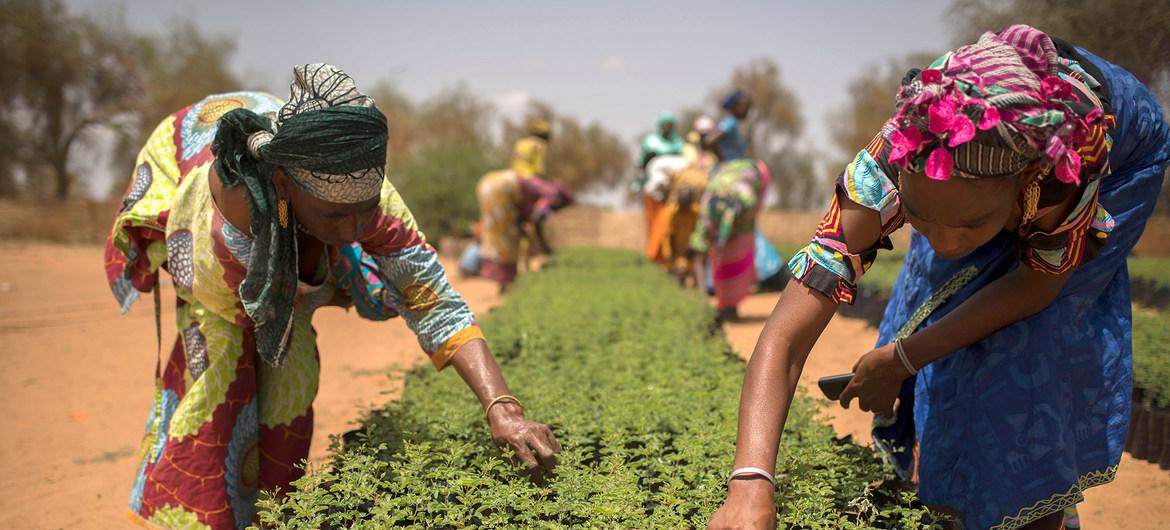
In this complex context, non-governmental organizations (NGOs) and local actors play a crucial role in implementing sustainable solutions. Their involvement is essential not only for raising awareness but also for mobilizing the necessary resources at the local level. Innovative community initiatives are emerging across the African continent, illustrating how collective action can lead to significant change.
Collective engagement will be crucial in charting a path towards a future where peace and sustainable development are not only proclaimed as ideals but lived as concrete realities. The discussions planned during the summit will provide a unique platform to reaffirm these global commitments while exploring new avenues for their effective realization.
Our editors' picks of what matters. Monday to Friday.
By subscribing, you accept our privacy policy.