Article
Preparing the article…
If a translation is needed, this may take a few seconds.
If a translation is needed, this may take a few seconds.
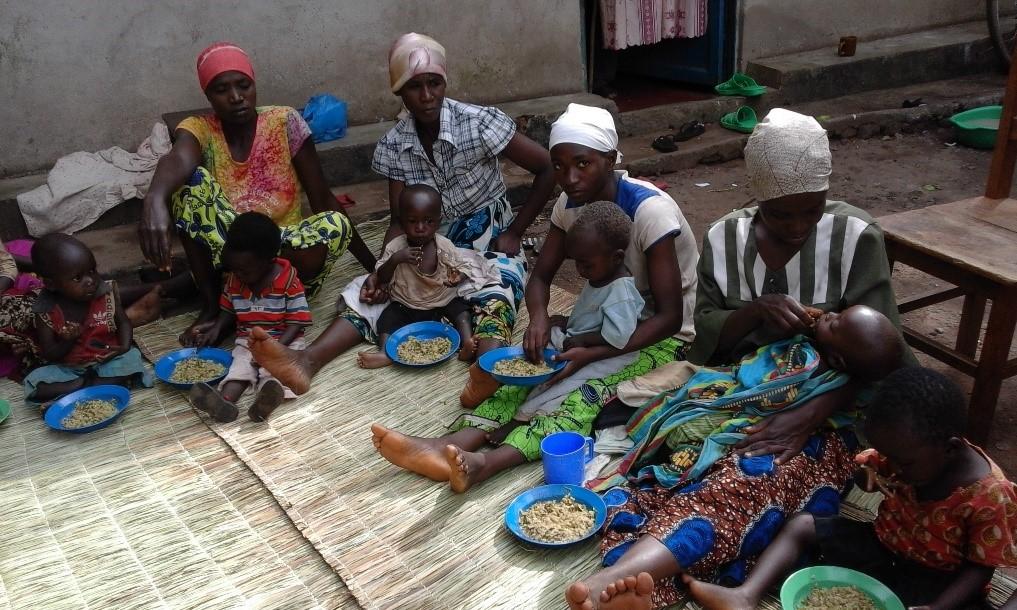
According to the Office for the Coordination of Humanitarian Affairs (OCHA), 269,000 children under five are suffering from malnutrition (May 2022). The consequences of this nutritional imbalance are visible through stunted growth in children. To address this need, this humanitarian organization is allocating a sum of…
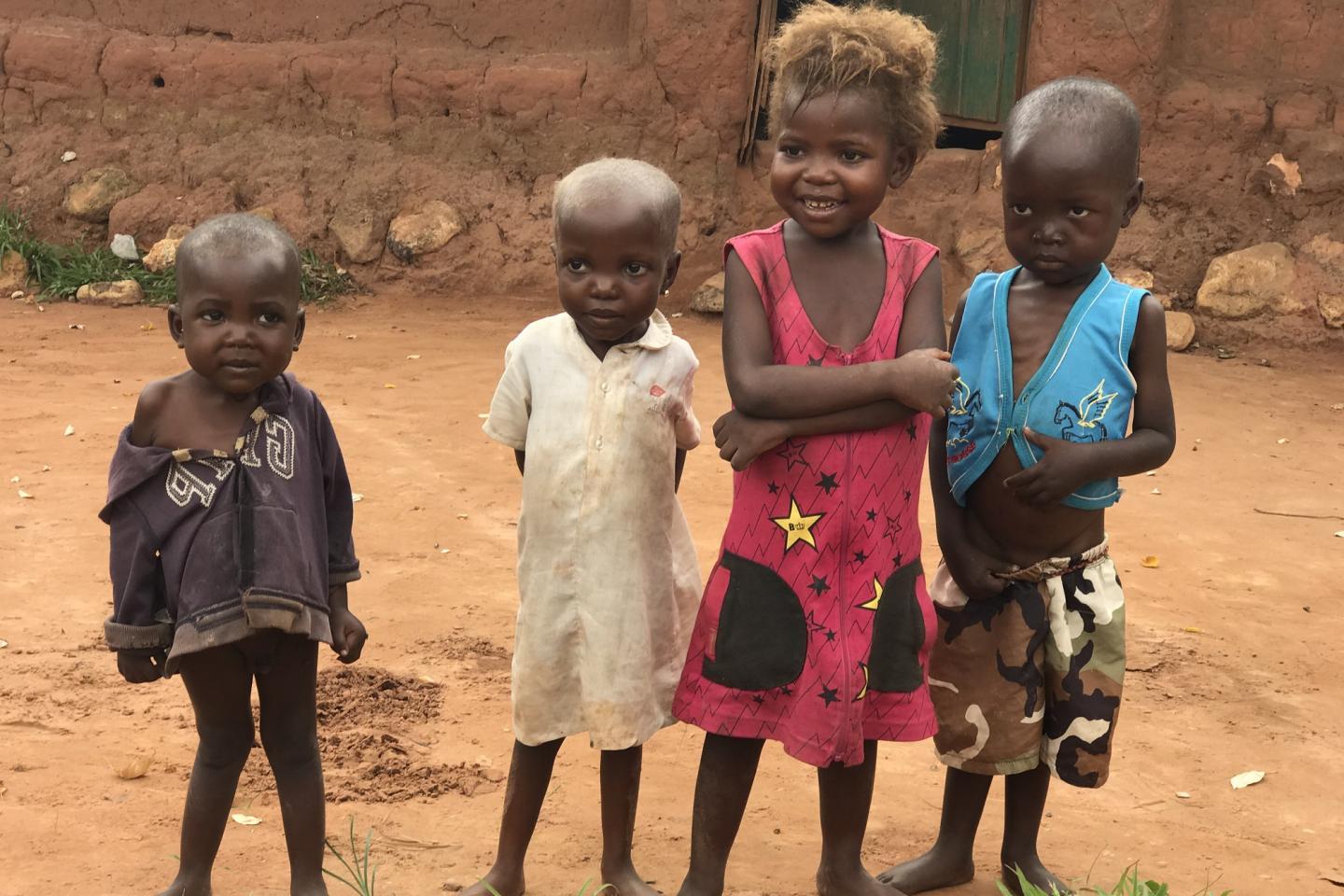
Among the consequences, the WHO explains that Kwashiorkor disease kills people in general, including children under five, at a rate of 80% if left untreated. And even if it is treated, the UN agency specifies that 10 to 25% of people die each year during rehydration.
As the 2022 humanitarian needs situation report shows, OCHA Burundi reports at least 1.8 million Burundians of all categories (children, youth, adults) in need of nutritional assistance. Of these, 86% are children and women. These figures demonstrate that 269,000 children under five are in a situation of malnutrition.
According to the WHO, malnutrition is defined by deficiencies, excesses, or imbalances in a person's energy and/or nutritional intake. It is a nutritional state that is the consequence of a diet that is poorly balanced in quantity and/or quality.
For proper growth, a child needs proteins, lipids and carbohydrates, but also vitamins, minerals, and trace elements. The vitamins essential for growth are vitamins A, D, E, K to prevent rickets (chronic malnutrition), Kwashiorkor and other diseases. Children between the ages of two and ten have daily energy requirements that increase progressively from 1,000 calories to 2,200 calories, depending on their age and weight.
Mr. François Nitereka, a nutritionist, explains that the causes of childhood malnutrition are of three types: direct or immediate, underlying, and fundamental. Children under five are much more affected by the direct cause even though the other causes are also dangerous for the child.
The imbalance of the food ration and diseases are among the direct or immediate causes that affect the child respectively. Their interaction tends to create a vicious circle, which means that the malnourished child has less resistance to disease, becomes ill and as a result malnutrition kills them.
The underlying causes do not spare the child especially because it is directly linked with the direct causes. Some of these explanatory points are famine, lack of access to clean water or inaccessibility to health services, inadequate care provided to mothers and children as well as discrimination against women and girls.
Read: Burundi: Maternal and Child Health, an absolute priority
Another cause of childhood malnutrition is the fundamental cause. This is characterized by the consequences linked to war, politics in general. Mr. François gives the example of 2015 when the country underwent political destabilization and then people fled to other neighboring countries such as Rwanda and Tanzania and other countries. With this disruption, the consequences (famine, etc.) will manifest themselves later, after 5 years or more.
The consequences of nutritional imbalance in children under five are directly linked to stunted growth due to diseases such as rickets, Kwashiorkor, and marasmus. Rickets is visible from early childhood where the child grows with difficulty, remaining short at less than one meter tall.
For Kwashiorkor, weight becomes variable depending on the severity of the disease, the skin is discolored epidermically, the hair becomes discolored with temporary denudation, there is no appetite when eating (anorexia). The behavior is apathetic, the child does not play. Digestive signs are seen as chronic diarrhea. And regarding the progression of the disease, when untreated, it kills 80% of people (children, youth, adults) and if treated, the WHO states that 10 to 25% die during rehydration.
For marasmus, the person's weight decreases in fat and muscle with a deficit of 60% of normal weight. The skin becomes thin and the hair is fine and dry. The person retains appetite when eating. In terms of behavior, they are active, anxious and cry easily. Digestive signs are often vomiting of what they have just eaten and also they have small liquid and greenish stools. And its progression can lead to death but if treated, it is completely reversible.
To address this problem related to childhood malnutrition, OCHA Burundi has allocated 182 million US dollars for this year 2022 to help these children and also for all the most vulnerable people, emphasized Ms. Noroarisoa, head of OCHA Burundi.
Blandon Uwamahoro
Our editors' picks of what matters. Monday to Friday.
By subscribing, you accept our privacy policy.