Article
Preparing the article…
If a translation is needed, this may take a few seconds.
If a translation is needed, this may take a few seconds.
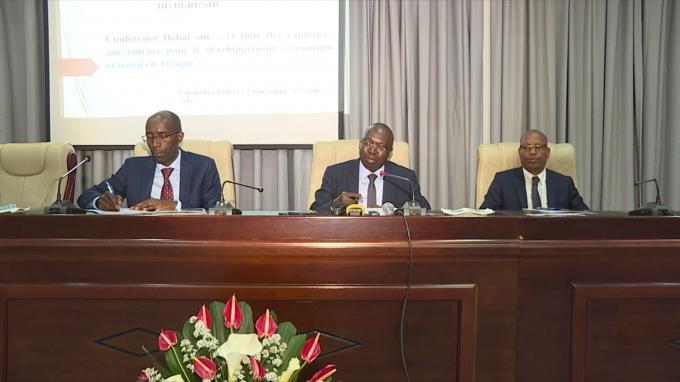
A 20-year timeline has been demonstrated to develop Burundi with a growth rate of 8%. The private sector must be prioritized because it is the engine of national development. However, the strategy is composed of a diagnosis of honesty and transparency within the ministries. It was during…
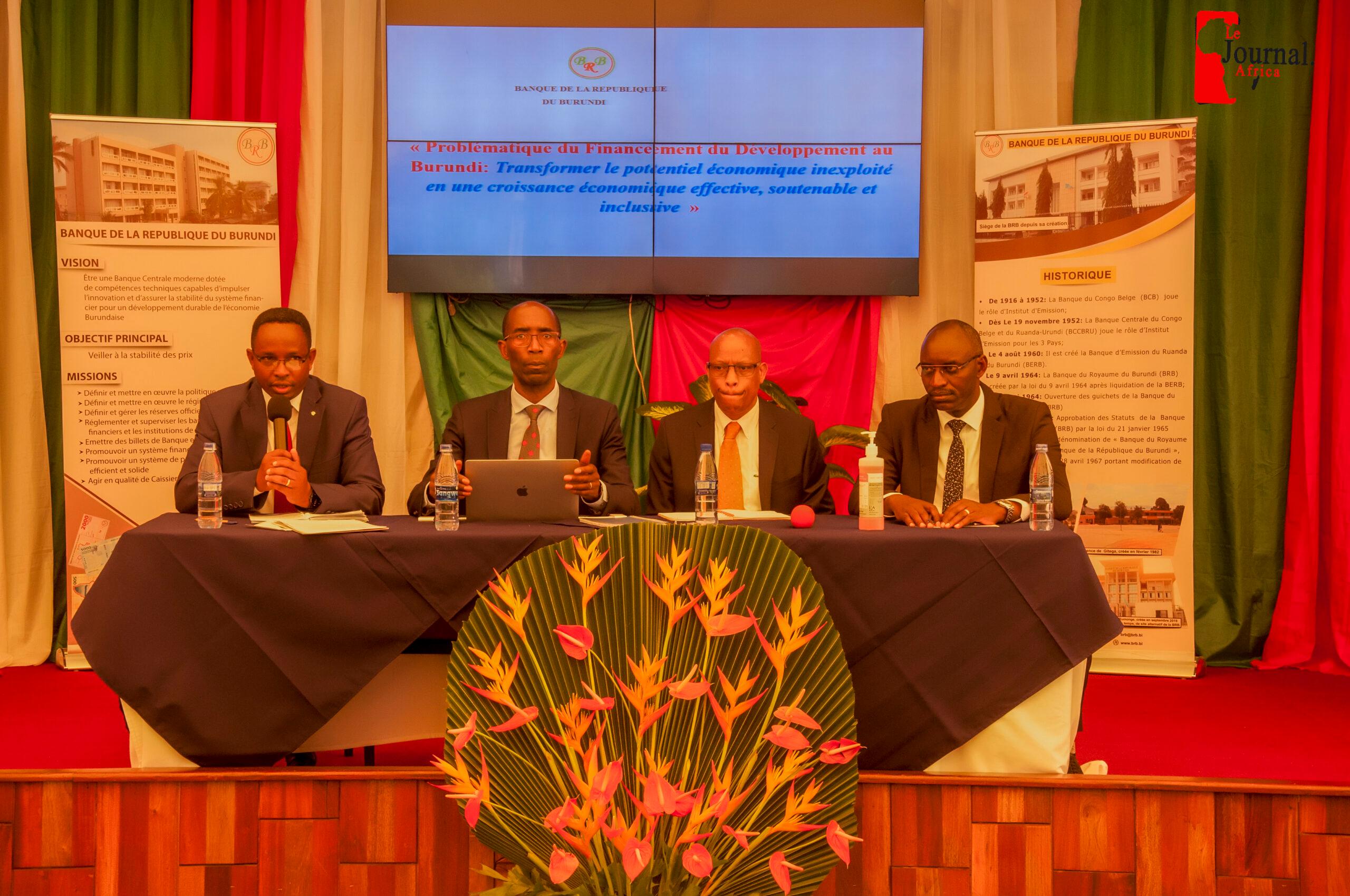
This was during a conference organized this weekend by the BRB (Bank of the Republic of Burundi) on the issue of development in Burundi.
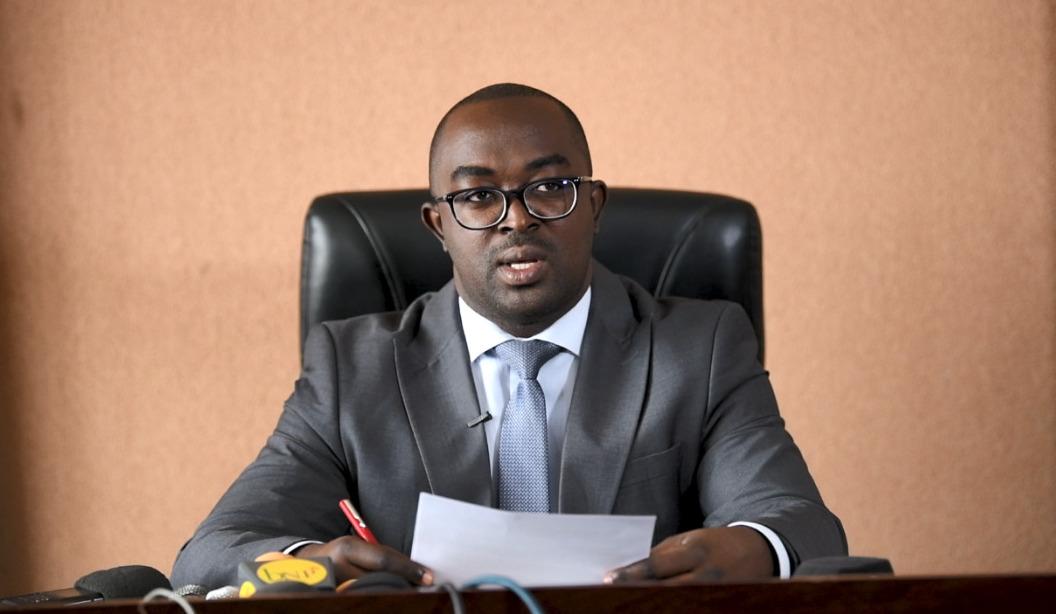
Since 1997-2021, a per capita income is displayed between $200 to $250 per head per year. This comes with a growth rate of 4% for a Burundian, the professor points out a major problem of development. Janvier Désiré Nkurunziza the speaker.
The speaker clarified that Burundi should encourage private investment to develop the migration movement. For him, companies in this country are composed of small businesses, verifiable by the number of employees. This allows the country not to develop. At this stage, the nation must grow with the development of industries in order to provide employment to the maximum number of people with sufficient income.
Human capital for Burundi is an asset to increase productivity in businesses. The presentation showed a comparison between Burundi and Kenya, on average per year a Burundian produces $500 while a Kenyan produces $2,500. This gap can be increased upward when each Burundian population has in mind what they will do when they go to work (handling file number how many). Instead of going to work to sit in office chairs and then start conversations with friends, indicates J.D. Nkur.
In Burundi, poverty takes first place with 90% of the population living thanks to agriculture. The second is demographic pressure of 2 to 3% each year (one mouth to feed). Low capital accumulation, an average of very limited financing as well as institutional weaknesses. And finally repeated political crises.
Read also: Hill cooperatives, pillars of municipal development in Burundi
As indicated by the other speaker Professor Léonce Ndikumana, development is a long-term undertaking. He proposes first of all an honest diagnosis in institutions since Burundi already has a clear vision (every mouth has food and every pocket has cash).
For the question of poverty, you must create income whether it is the government or even the private sector. The government must collect possible revenues, improve the environment for external financing, spend more efficiently (allocation, use of revenues). Regarding the productivity rate, you must increase productivity, develop value chains and stimulate exports.
The government must invest in infrastructure, national roads and go further to practice more irrigation. Burundi must roll up its sleeves to energize agriculture. Stipulates Léonce Ndikumana.
The State has an obligation to mobilize resources through winning contracts in mining sectors. You must invest in useful training (training on mining contracts) to have good contracts.
The drawing of an overall vision with the national development plan. Effective public investments in the provision of electricity, infrastructure. The mobilization of public revenues (taxes and duties) with activities that have many benefits.
The professor explains that for Burundi to develop like many other African countries. It takes 20 years or by 2040 to reach an income of $1,026 per capita. That is 8% growth rate per year.
A request for contribution without reward for development in Burundi was made. This was with the president of the republic of Burundi Evariste Ndayishimiye with a view to preparing an international conference. This is for intellectuals living inside and outside the country.
Read also: Burundi – Overview
Blandon Uwamahoro
Our editors' picks of what matters. Monday to Friday.
By subscribing, you accept our privacy policy.