Article
Preparing the article…
If a translation is needed, this may take a few seconds.
If a translation is needed, this may take a few seconds.
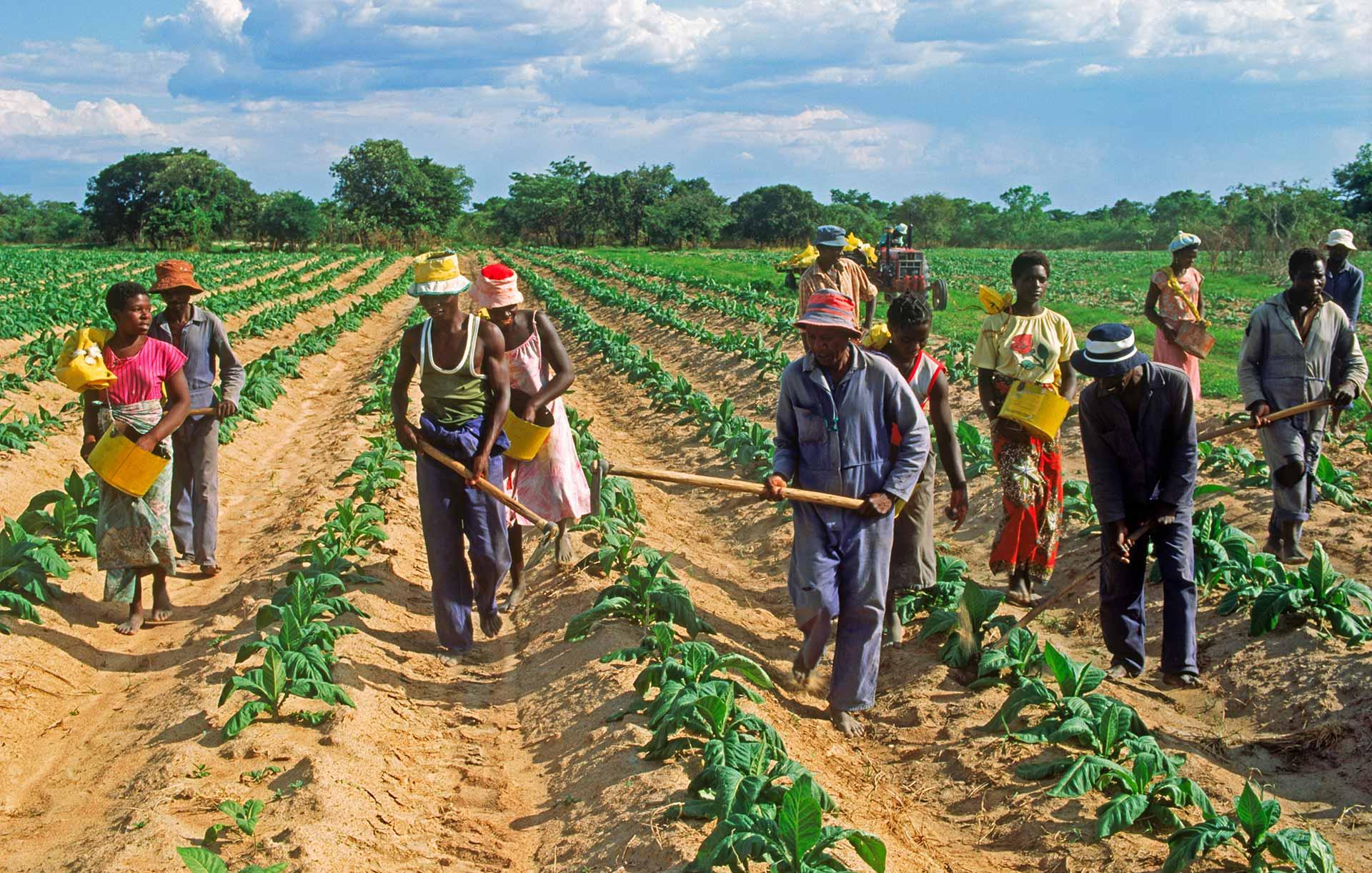
In Burundi, the lack of quality seeds affects local production in the country. Cultivable land area, diseases, population growth, climate shocks, lack of equipment and training, eating habits, etc. Indeed, to address these shocks, these UN agencies encourage the population to produce locally…
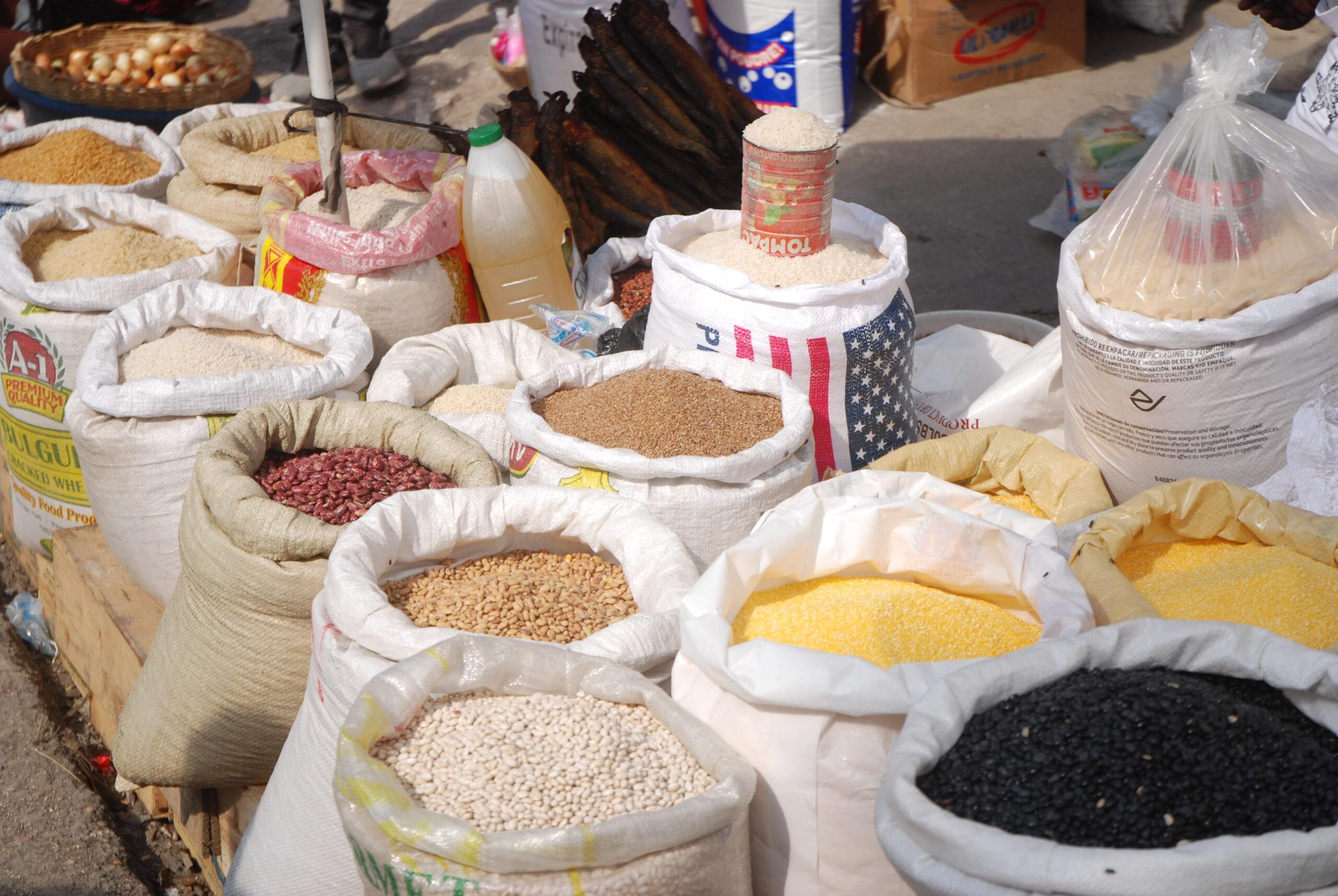
On May 25, 2022, the WFP (World Food Programme), IFAD (International Fund for Agricultural Development), and FAO (Food and Agriculture Organization) demonstrated how to strengthen food security in Burundi, thanks to the various projects they addressed in their new strategic plan for 2022-2023. "Strengthen agriculture and the private sector in their capacities to better feed the population qualitatively and quantitatively," presented by Houssaini Taal, WFP representative in Burundi.
"In order to address the instability in the country, the WFP has implemented mechanisms, including increasing local purchases by stimulating local production. Then with training in post-harvest management and equipment for small farmers' cooperatives. Promote utilization contracts with local producers, including with cooperatives supported by the WFP. And with the National Food Security Stock Management Agency (ANAGESSA) to purchase food stocks produced locally," presented Mr. Houssaini Taal.
Read also: Women of Faith caring for war-displaced living in the city of Uvira
To strengthen food security, the UN promotes the idea of encouraging local production in Burundi. This would allow for increased production of producers' income, while feeding more people with quality food.
From 2022-2027, IFAD is interested in rural youth entrepreneurship, having access to cooperatives, financing, and markets. It has three strategic objectives namely improvement, collectivity, and sustainability. Climate resilience of small-scale agricultural operations and growth, it is the added value to the participation of markets of women and rural youth, confirmed Dagmawi Habte Selassie, IFAD representative.
Over the past thirty years, the FAO has worked in 15 provinces out of the 18 that Burundi has. And we provided support to 142,000 agricultural households and 342 tonnes of quality food seeds.
In 2020-2021, the FAO provided kits that found results of inputs for 146,000 seed multipliers, for agricultural, animal, forest, and fisheries production. We distributed them in different provinces, after observing that there was a shortage of good quality seeds.
Kiza Mulongecha
Our editors' picks of what matters. Monday to Friday.
By subscribing, you accept our privacy policy.