Article
Preparing the article…
If a translation is needed, this may take a few seconds.
If a translation is needed, this may take a few seconds.
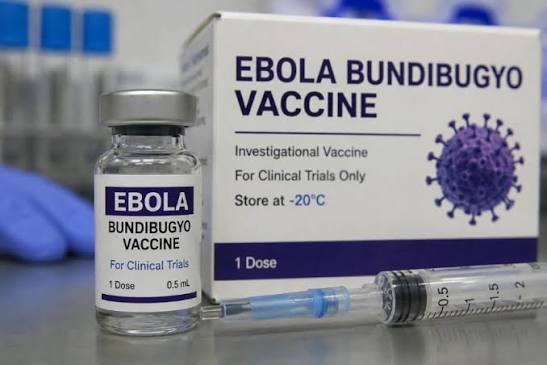
In the absence of a specific vaccine, a recent study suggests that vaccines against Ebola Zaire could provide a partial response to the Bundibugyo virus.

French and international researchers recently published a study on the medRxiv platform, highlighting the urgency of testing existing vaccines against the Bundibugyo virus, responsible for an outbreak in the Democratic Republic of Congo (RDC). According to this study, the two vaccines currently authorized against the Ebola Zaire strain could induce antibodies capable of partially recognizing the Bundibugyo virus.
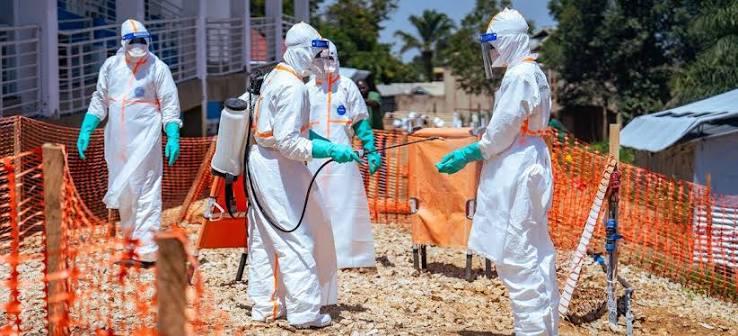
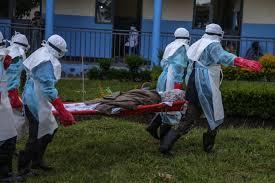
On May 16, the World Health Organization (WHO) declared a public health emergency of international concern due to the rapid progression of the Bundibugyo virus. This decision comes as there is currently no approved vaccine or treatment specifically for this viral strain, making the situation even more concerning.
The researchers assert that the neutralizing antibodies induced by the vaccines administered during previous outbreaks in Kivu and other regions could reduce the mortality rate caused by the Bundibugyo virus. This perspective offers hope to local health authorities, who are facing a major challenge in combating this infectious disease.
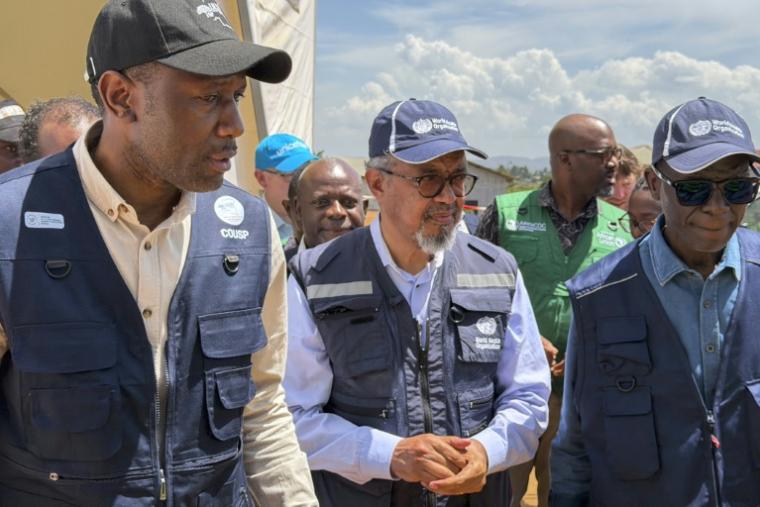
Medical experts have been convened by the WHO following the acceleration of human transmissions of the Bundibugyo virus in the RDC. These specialists are currently evaluating available treatments and vaccines that could be applied in this urgent context. This initiative aims to strengthen the response to an outbreak that is progressing faster than the control measures in place.
In a previous report, LE JOURNAL.AFRICA noted that Ugandan researchers had also launched an experimental vaccine against Ebola, aiming to test its safety and efficacy among several hundred volunteers. This context underscores the importance of international collaboration in Ebola vaccine research.
The current situation highlights not only the urgent need for a specific vaccine against the Bundibugyo virus but also the importance of a rapid and coordinated response to Ebola outbreaks in Central Africa. As research continues, the scientific community hopes that viable solutions can be implemented quickly to protect at-risk populations.
Our editors' picks of what matters. Monday to Friday.
By subscribing, you accept our privacy policy.