Article
Preparing the article…
If a translation is needed, this may take a few seconds.
If a translation is needed, this may take a few seconds.
As Eid al-Adha approaches, Tunisians are facing rising prices that impact their festive traditions.
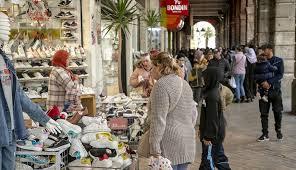
In Tunis, markets are bustling during this preparation period for Eid al-Adha, but a shadow looms over the festivities: inflation. According to RFI, Tunisians are noticing a significant increase in prices, making it difficult to celebrate this religious holiday traditionally.
The figures speak for themselves. Prices for ready-to-wear clothing have risen between 15 and 20%, according to merchants interviewed on-site. A mother shares, "I go to the souks because I can buy beautiful fabric for three times less than in stores. I prefer to sew my own clothes as well as those of my children." This choice reflects a desire to adapt spending to a tightened budget.
Meat, a staple of the celebrations, is also affected by this inflation. Ibrahim Ben Salah, a butcher near the central market of Tunis, notes that his customers are reducing their purchases. "I am the last in the chain; if my client buys cheaper or in smaller quantities from the producer in the countryside, it has a direct impact on me," he explains.
This difficult economic situation is part of a broader context of crisis in the country. In Tunisia, unemployment is currently nearing 18%, particularly affecting young graduates who struggle to find stable employment. Soaring inflation only exacerbates the daily lives of Tunisians, who see their purchasing power diminish.
Tunisian authorities are attempting to respond to this crisis through various economic adjustments. According to a dispatch from Al Jazeera, the official setting of Eid al-Adha for May 27 is expected to temporarily stimulate consumption and commercial activities, but the long-term effects of inflation remain concerning.
Despite these economic challenges, Tunisians are striving to maintain their traditions. The celebrations of Eid are seen as essential for social and family cohesion. However, this resilience could be tested if the economic situation does not improve quickly.
Our editors' picks of what matters. Monday to Friday.
By subscribing, you accept our privacy policy.