Article
Preparing the article…
If a translation is needed, this may take a few seconds.
If a translation is needed, this may take a few seconds.
Mango leaves in traditional medicine play an essential role in the treatment of diabetes in general. According to traditional healers, soaking ten to fifteen tender mango leaves in a glass of water overnight; in the morning, filter the water and drink it on an empty stomach for three months, is…
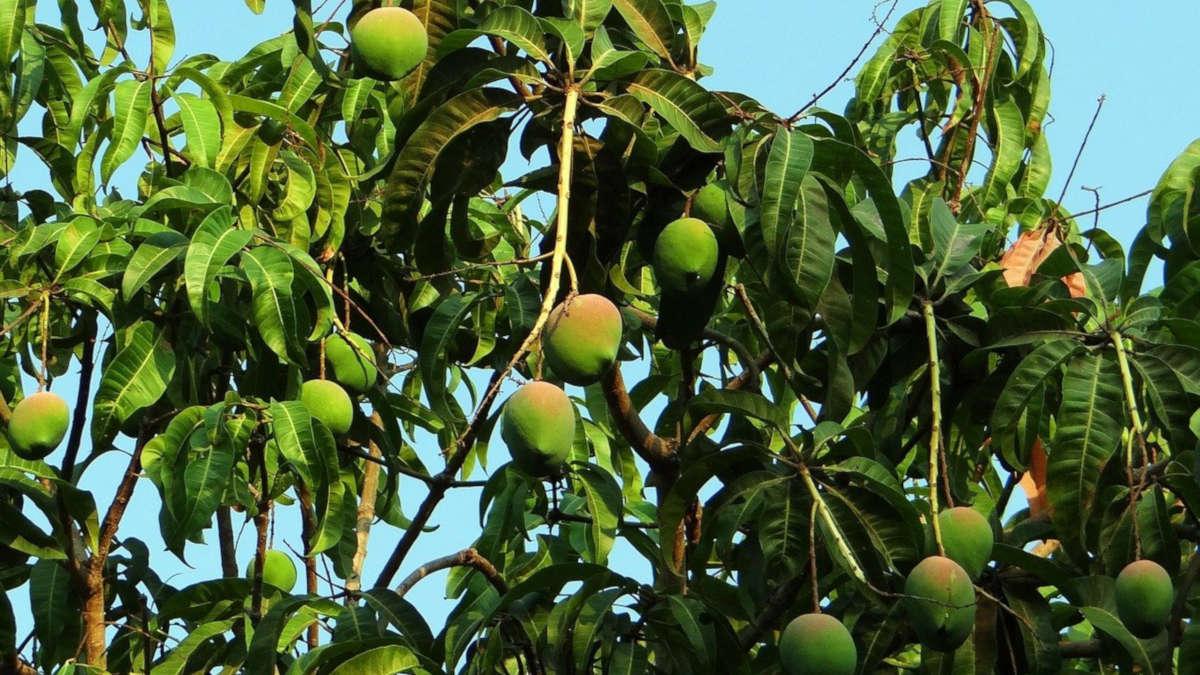
Since 1995, the WHO has encouraged the intensification of research into avenues for treating diabetes, also including the use of traditional treatments based on medicinal plants. It is with this in mind that mango leaves were taken into account thanks to their effectiveness in the stability of insulin in the blood to be used as a medicinal remedy by traditional healers.
According to an ethnobotanical study that was conducted in 2011 by the University of Bangui and the Research Unit in Applied Sciences for Development (URSAD), on antidiabetic medicinal plants, 36 species used in the treatment of diabetes were identified and are distributed among 27 families of Liliopsida (Monocots) and 23 families of Magnoliopsida (Dicots) in 34 genera. Of this total, 12 are not found in research pharmacopeias.
Among these identified species, we find mangifera indica, the Anacardiaceae which represents mango leaves. Its vernacular name is Mangolo (Issongo), common name is mango tree. The result of this ethnobotanical study revealed that boiling 1 kg of mango leaves in 2 liters of water until reduced to 1.5 liters and cooling the decoction and taking three glasses per day: morning, noon and evening, this makes it possible to stabilize insulin in the blood.
First, mango leaf extract can improve insulin production in your body. In addition to this, it also increases glucose distribution, which helps stabilize blood sugar levels.
Second, these leaves are also rich in many nutrients, such as pectin, fiber and vitamin C. This will help reduce the level of bad cholesterol in your body.
Third, these leaves are also known to relieve symptoms of diabetes, such as frequent urination at night, blurred vision and excessive weight loss. They are also rich in antioxidants and it is not necessary to be diabetic to consume them. Everyone can benefit from their nutritional benefits.
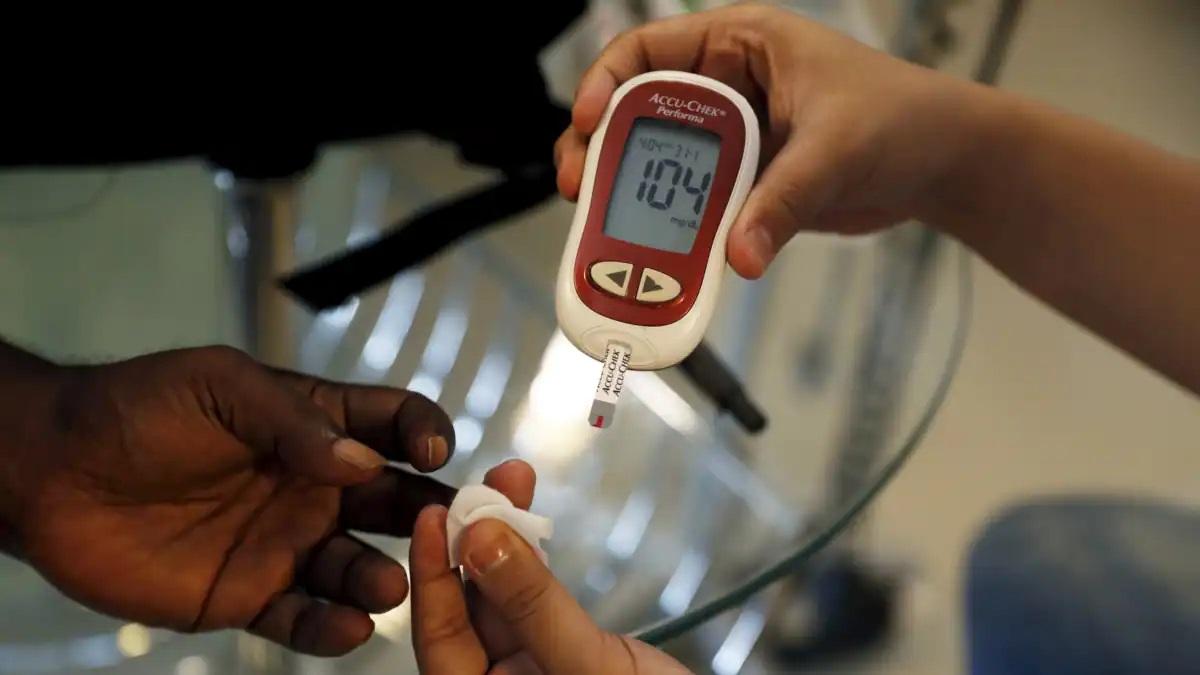
Like this ethnobotanical study, diabetes is a metabolic disease responsible for serious public health problems. It is a chronic infection resulting in elevated blood sugar levels. Diabetes occurs when the concentration of sugar is greater than 1.4 grams per liter. The chronic excess of sugar in the body is caused by a malfunction of the pancreas, which no longer normally produces insulin responsible for breaking down glucose provided by food.
François Ndikumwenayo, associate professor at the University of Burundi, explains in his advocacy workshop on diabetes and non-communicable diseases (NCDs) that diabetes represents a mortality rate of 3.5%, or 1.6 million people out of a population of 41 million, approximately 71% of people who die each year. The WHO reports that more than 85% of these premature deaths occur in low- or middle-income countries.
For the case of Burundi, Mr. François shows that in 2019, among the reasons for hospitalization for NCDs, a prevalence of 213 people, or 28.82%, was recorded in the country's hospitals.
Regarding the danger it poses compared to other metabolic diseases, out of 328 diagnosed people (44.38%), 317 (42.90%) are already in a complicated state. He adds that the age range between 30 and 70 years is considered by the WHO as the age at which the disease begins to take its toll on a person's body.
To address this danger, traditional healers in Bangui propose boiling approximately 15 fresh mango leaves in 100 to 150 ml of water. Let the concoction sit overnight and drink it before your breakfast in the morning. Try to follow it every day for about three months to see visible results.
The delicate and tender mango leaves can be used to treat diabetes by regulating insulin levels in the blood. They can also help improve blood lipid profiles. Mango leaves are easy to obtain and contain natural ingredients that can be useful and beneficial for a diabetic patient.
According to Global NCD Targets, the sustainable development program by 2030 provides for a reduction in morbidity and mortality of 25% for NCDs in general, and in the case of diabetes, it will be reduced to 0%.
Our editors' picks of what matters. Monday to Friday.
By subscribing, you accept our privacy policy.