Article
Preparing the article…
If a translation is needed, this may take a few seconds.
If a translation is needed, this may take a few seconds.
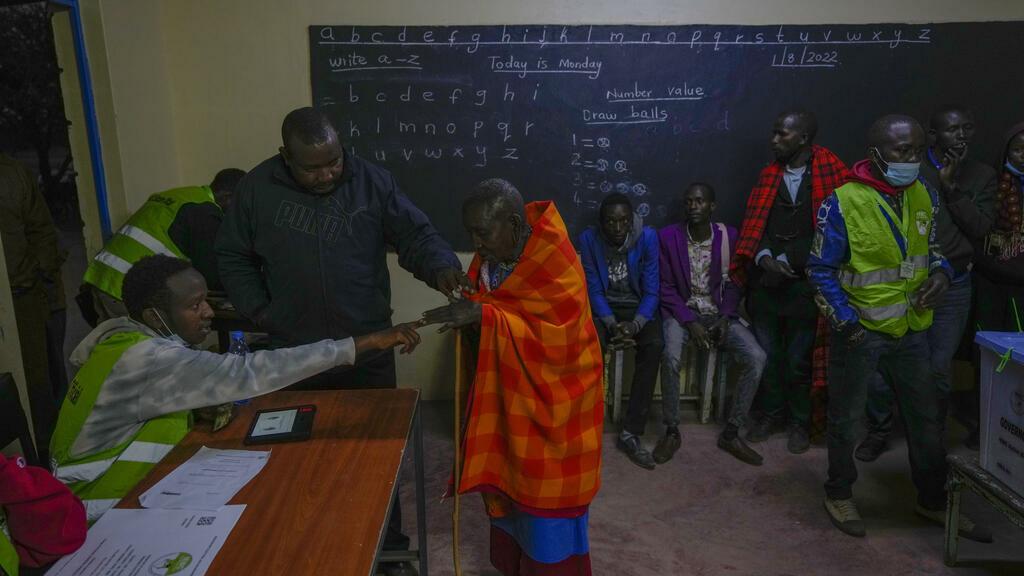
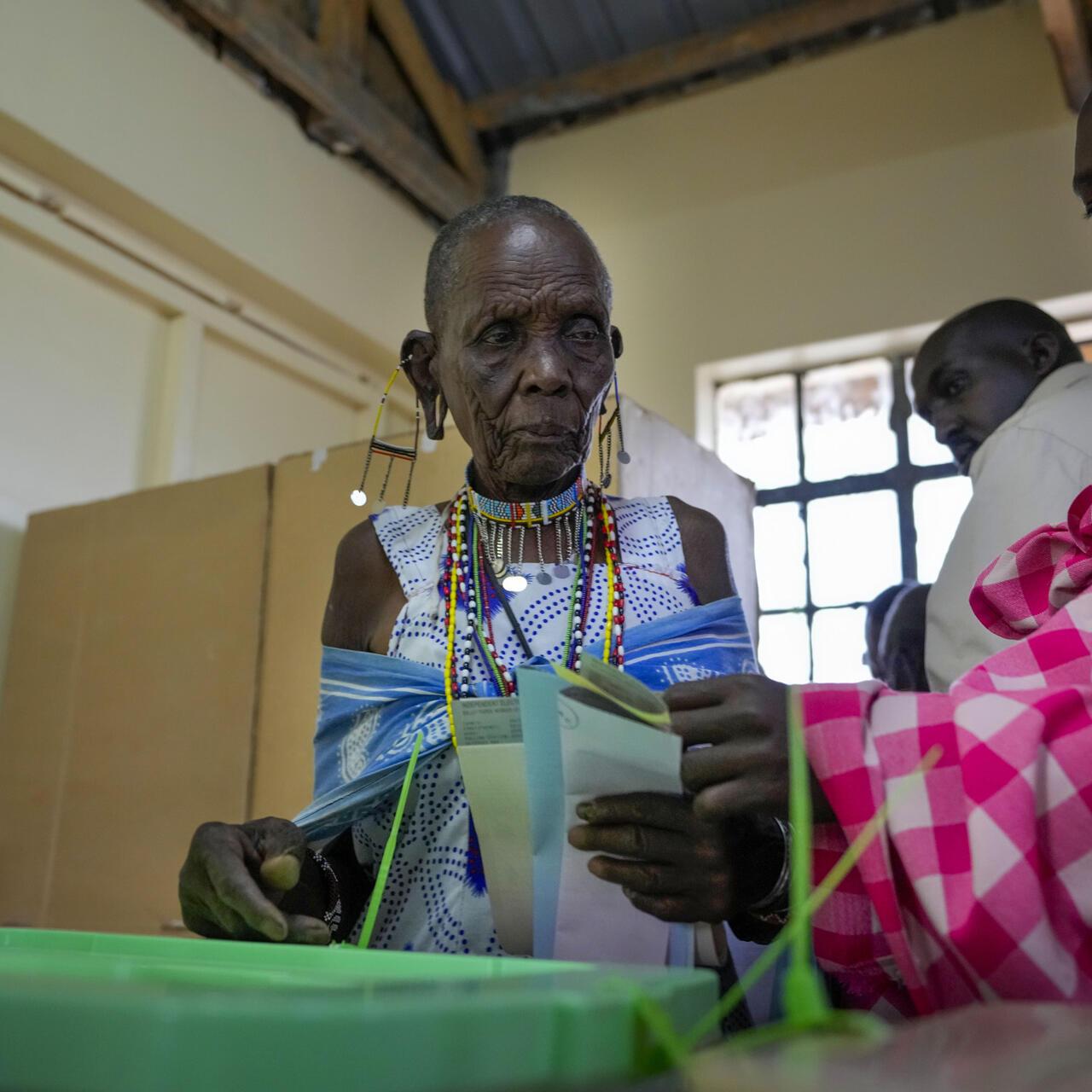
Kenyans were called to the polls on Tuesday, August 9 to choose their new president, but also their local elected officials, deputies, governors and senators. Apart from a few incidents, the election proceeded largely peacefully in the country. The vote is nonetheless marked by abstention, which has increased in five years.
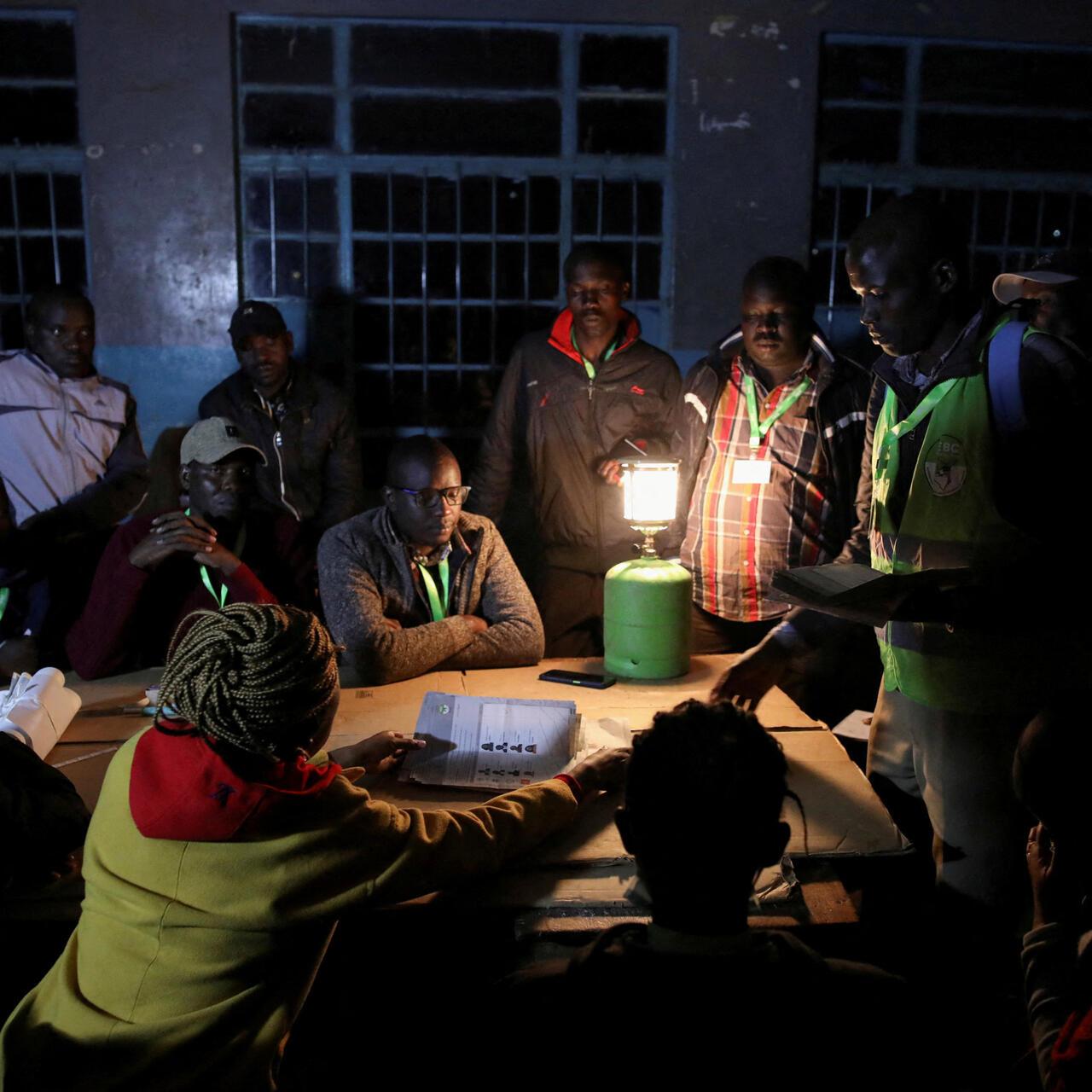
There were delays in some places in the deployment of materials, failures of identification kits, reports our correspondent in Nairobi, Florence Morice. At 10 p.m. last night, people were still voting in certain polling stations, but "the majority" of them had closed, according to the Kenyan electoral commission. And overall the day proceeded without incident.
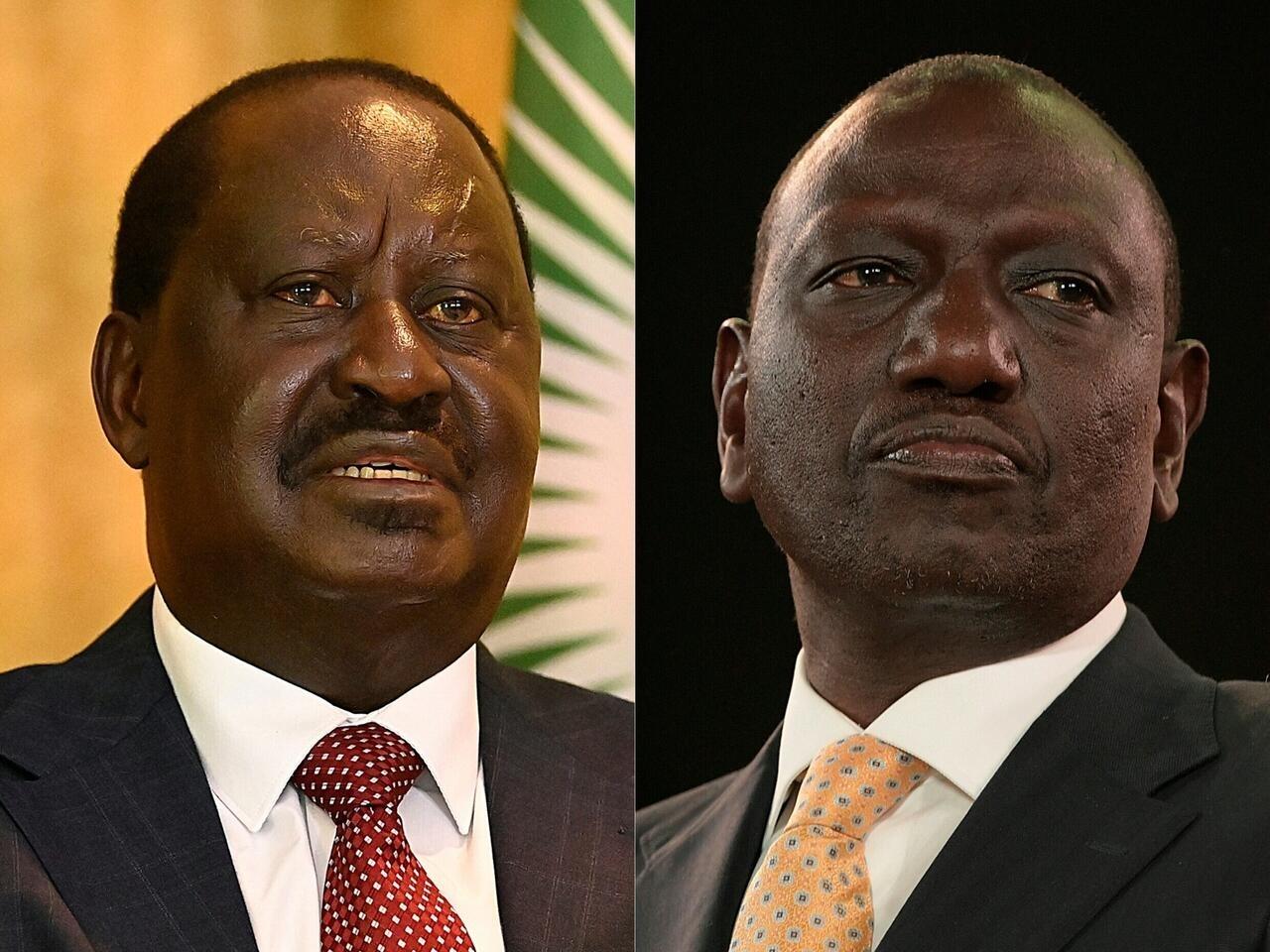
As they went to vote, the two main candidates expressed confidence in their victory. "I am convinced that the Kenyan people will make a future choice for our country," declared William Ruto, after voting. "I am convinced that the Kenyan people will express themselves in favor of democratic change," declared Raila Odinga, as he left his residence in Karen to head to his polling station in Kibera in Nairobi where a jubilant human crowd awaited him.
► Read also: General elections in Kenya: an overall calm voting day
The compilation of results is now underway. Thus a period of uncertainty is opening. The electoral commission called on Kenyans for "patience." As for the powerful National Council of Churches of Kenya, it calls on "all candidates to accept the will of the people." And it encourages those who would not be "satisfied with the results" to resort to the courts "rather than to violence."
More than 22 million voters were called to vote but only 56% had cast ballots by 4 p.m., according to the Electoral Commission. In 2017, it was nearly 80%.
In Kisumu, a city in the western part of the country and Raila Odinga's stronghold, the same trend is emerging in several polling stations, notes our special correspondent on the ground Albane Thirouard.
It was 5 p.m. on Tuesday when this downtown polling station closed, respecting the official schedule. Vote counting began immediately after. The disappointment is palpable: turnout is lower than expected. 60% of registered voters cast ballots at this polling station. Julie Ndinda, an observer for a candidate, had expected rather 80%, because the day had started festively, with whistles and vuvuzelas sounding in the streets of Kisumu. "This morning there were a lot of people but it dropped off in the afternoon. I expected more; the election campaign was so vibrant, people all said they were going to come vote!"
The voters who did show up praise the calm of the election. Everyone celebrates the smooth running of the day. "Everything went very well, people were joyful, they were shouting, you can feel they want change. Everything was very peaceful and I think it will remain so, Kenyans are tired of shedding blood," testifies Julie Ndinda.
For Lylian, it is a sign of optimism for what comes next. While awaiting official results, the young woman sends a message to politicians: "There will always be a loser and a winner. But try not to waste our time by inciting people to take to the streets or through court appeals. Let us remain in peace."
The two main candidates, William Ruto and Raila Odinga, have repeatedly committed to respecting the results.
However, while awaiting those results, authorities are preparing for possible violence in certain regions, notably in Eldoret. This city in the Rift Valley with a Kalenjin majority was the flashpoint for post-election violence in 2007-2008 that killed more than a thousand people.
In a working-class neighborhood visited by Charlotte Simonart, long lines form from the opening of polling stations. Voting proceeds smoothly despite some people's impatience. "This isn't right! I don't see my name on the wall. I don't understand why."
Veronica, meanwhile, is satisfied. "There, I've voted! Now I pray for peace and that our country can move on to something else."
Praying for peace, because in this neighborhood, residents are mostly Kikuyus, who were targeted here in Eldoret during the bloody post-election violence of 2007-2008. This man refuses to talk about it but does not forget: "That's another story. Now we must do our best. Everything is fine. We need peace. Only peace. And everything will be fine."
At this other polling station downtown, well before closing, voters had already disappeared. "Today was very calm. In my polling station, we had a turnout of around 50%. We expected more voters but I don't know why they didn't come. In 2017 at this time there were still long lines. But there, you see, there's nobody left," wonders Ezra Muthai, one of the electoral commission's officers.
In Eldoret, everyone here hopes that the announcement of results will not ignite tensions.
Our editors' picks of what matters. Monday to Friday.
By subscribing, you accept our privacy policy.