Article
Preparing the article…
If a translation is needed, this may take a few seconds.
If a translation is needed, this may take a few seconds.
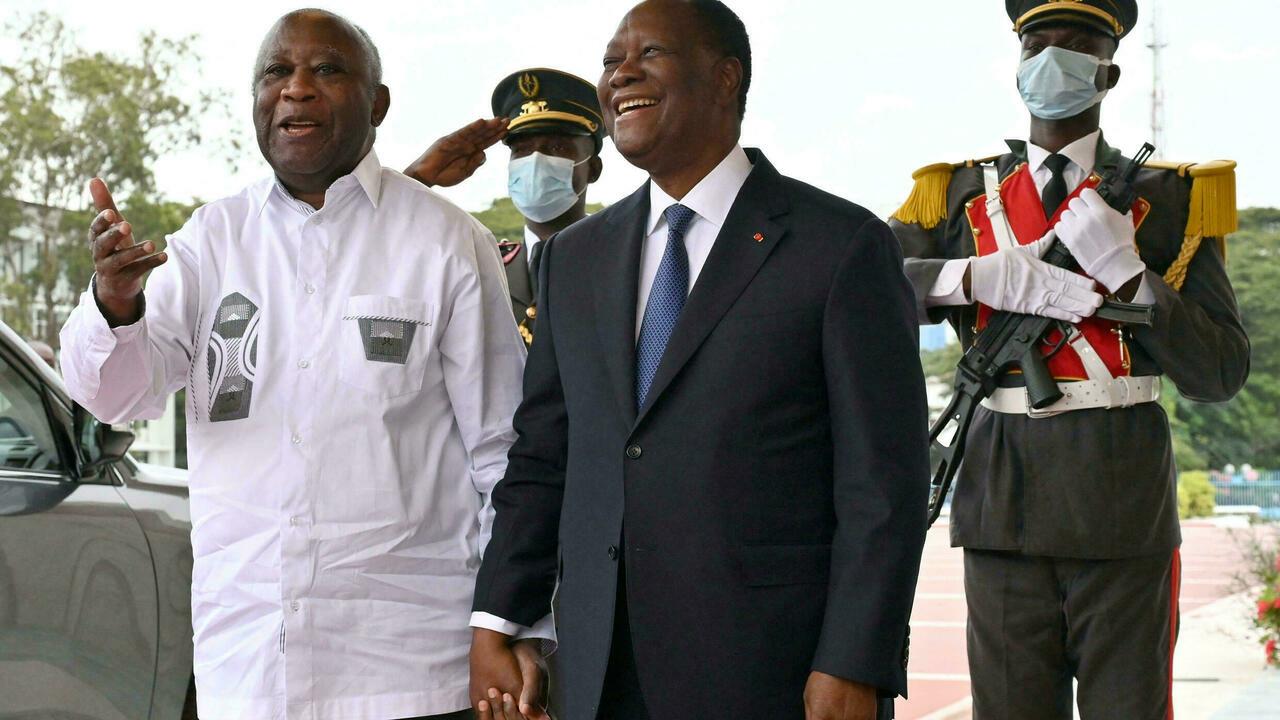
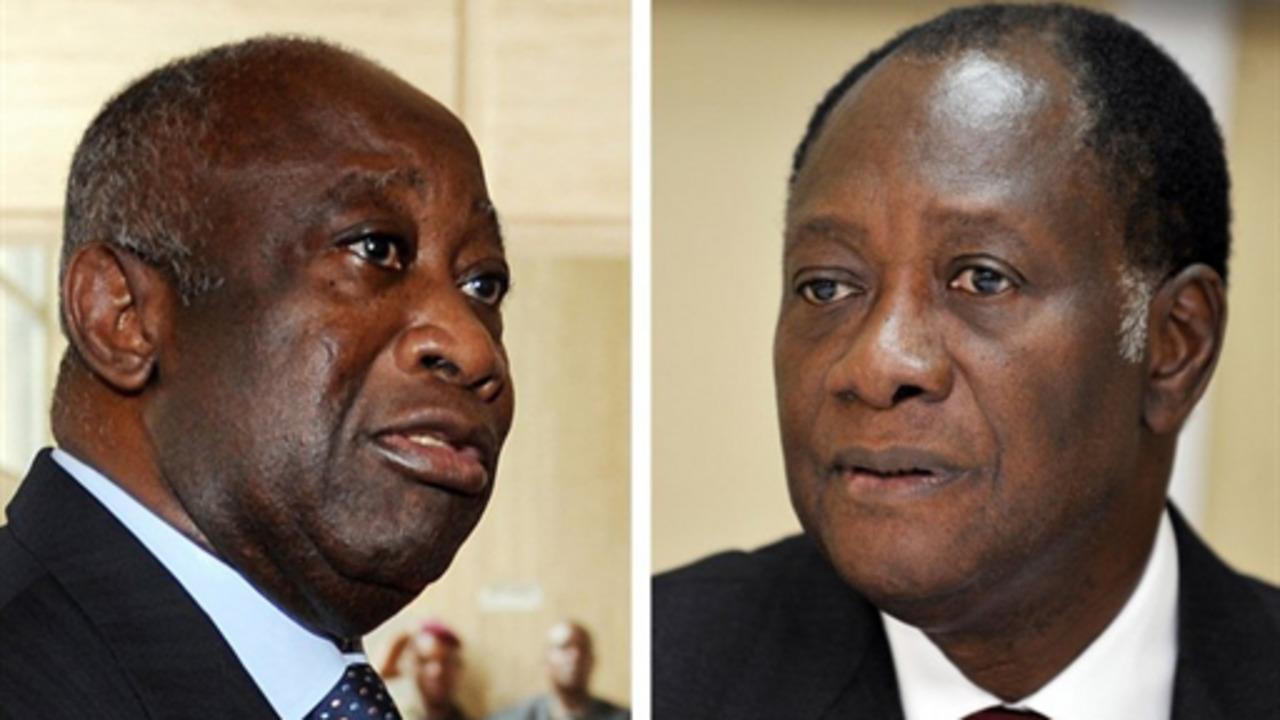
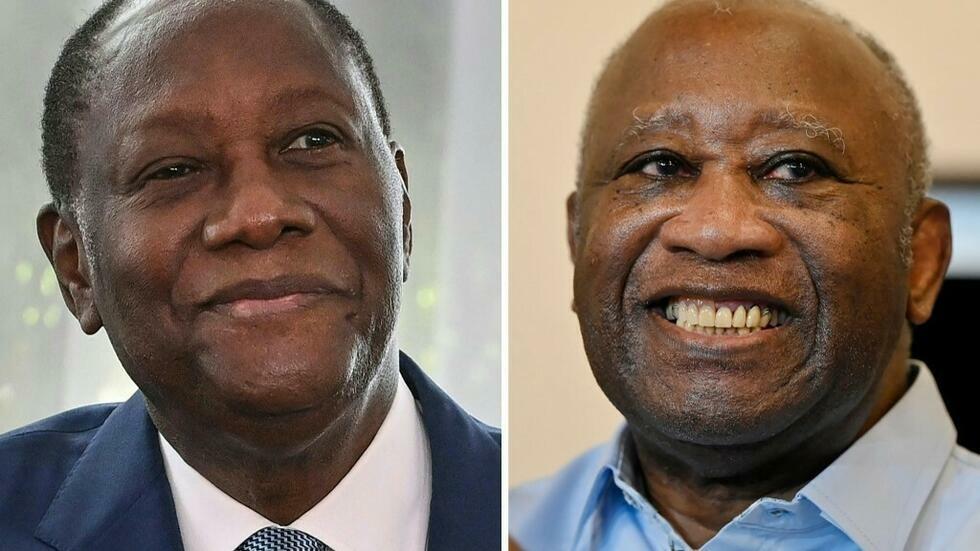
On Thursday, July 14, 2022, in Côte d'Ivoire, President Alassane Ouattara receives his predecessors Henri Konan Bédié and Laurent Gbagbo. This meeting had been discussed during the political dialogue organized at the beginning of the year. It is intended to advance reconciliation after the 2010-2011 and 2020 crises, but also to prepare for the next elections from 2023 to the 2025 presidential election.
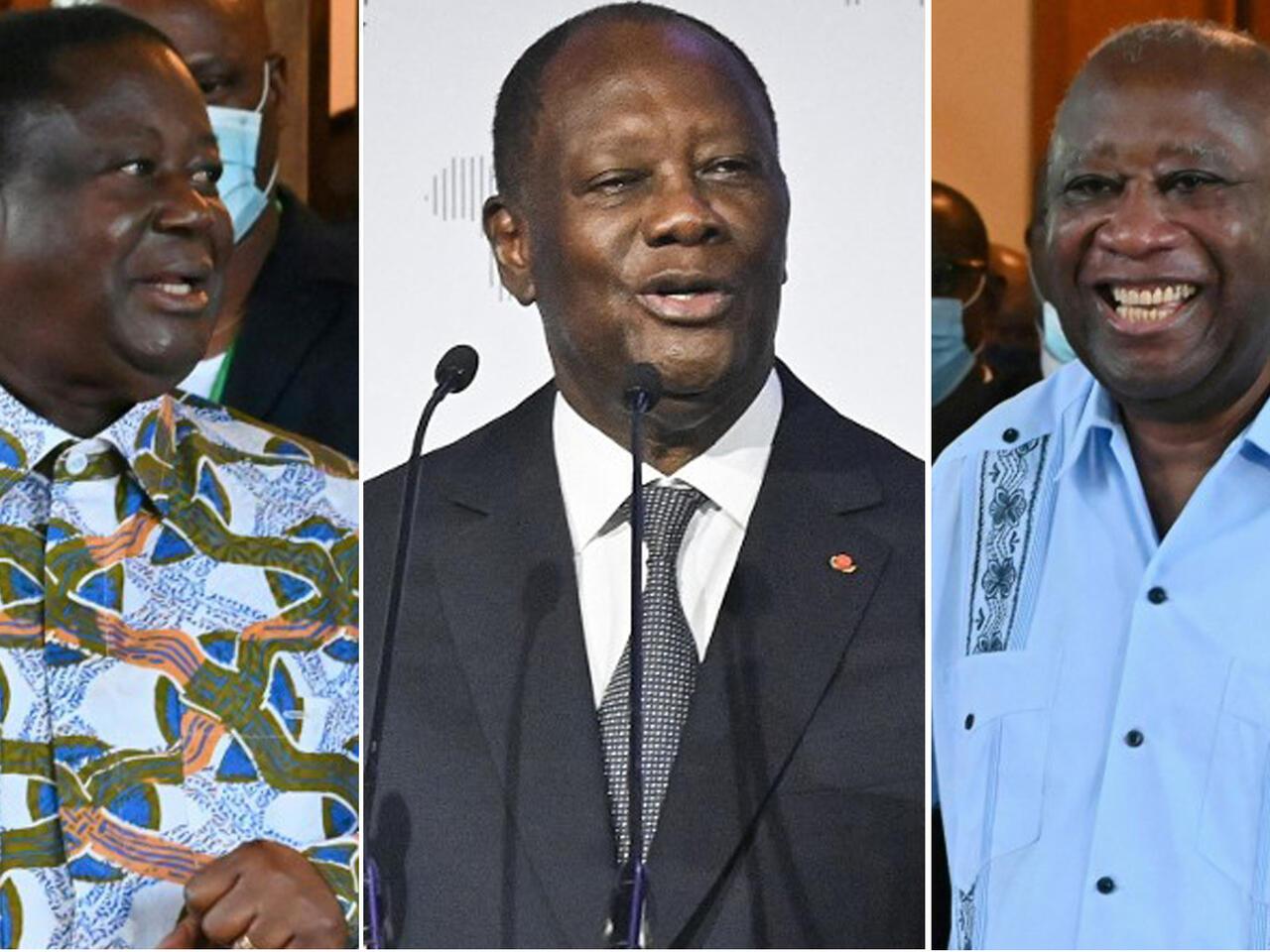
The last meeting of the "three greats," as some call them, was more than ten years ago. It was before the first round of the 2010 presidential election. This new mini-summit between Alassane Ouattara, Laurent Gbagbo and Henri Konan Bédié nevertheless remains "a classic" for historian and teacher Arthur Banga. He explains that this kind of meeting:
"This has always happened in Côte d'Ivoire, remember back at the end of the 1980s already, the famous meeting between Laurent Gbagbo and Félix Houphouët-Boigny. And then throughout the crisis, first the summits of the four greats, when Robert Gueï was alive. Then Ouattara, Bédié, Gbagbo would meet often around agreements. These are meetings we have often had in periods of tension, which for some led to an acceleration of the peace process, but which still did not prevent the country from sinking," Arthur Banga details.
On the discussion agenda, "political" prisoners, arrested during the electoral crises of 2010-2011 and 2020. But also the environment of the 2023 local elections and 2025 presidential election.
For Geoffroy Julien Kouao, political scientist and essayist, this latter election and its conduct remains the most crucial deadline. According to him, the three men are "omnipresent."
They make and unmake Ivorian political weather. The question of political division revolves around the question of accession to power. All Ivorian crises stem from the presidential election. These three personalities must therefore agree on the framework. Will they be candidates? Is there reason to revise the electoral code and the Constitution, but especially see the institutional framework, with the Electoral Commission? Should this body be in the hands of political parties, or return exclusively to civil society? And the question of the referee of the electoral game, that is to say the Constitutional Council. Is it necessary to redefine the composition, allow greater neutrality of this institution? These are foundational questions that the three political personalities should address.
But some fear that this sort of summit between the three pillars of Ivorian political life is precisely too political and ultimately does not address certain questions that are nevertheless fundamental for lasting reconciliation. "The Achilles heel of post-crisis Côte d'Ivoire is not having established the truth. There was justice that unfolded somewhat partially, and it did not address all responsibilities to the bottom. And we are very much afraid that if indeed this question has not been addressed, and that we quickly move to a sort of political forgiveness without explanation, this risks providing the seeds of a next instability," warns Fahiraman Rodrigue Koné, principal researcher at the Institute for Security Studies.
Alassane Ouattara is 80 years old, Laurent Gbagbo 77, Henri Konan Bédié, 88. For Fahiraman Rodrigue Kone, the three men "weigh heavily on the political destiny of the country, on the political arena, but there is reason for them to make a strong commitment regarding the construction of the future. A renewal of the elite of the political class should be one of their greatest concerns, so as to leave a less conflictual Côte d'Ivoire. This meeting should take place under the sign of wisdom. That of being able to pass the torch to carry Côte d'Ivoire so as to truly distance it from the zone of turbulence that it has known over the last 20 years. "
It is not known if the three men will go that far. But the meeting takes place in a favorable context, with a rather calm political climate. According to the government, Alassane Ouattara, Henri Konan Bédié and Laurent Gbagbo speak regularly by telephone: the government made a sign of openness by proposing a new seat for the opposition on the Electoral Commission. We are therefore in a political atmosphere that could allow the three to at least agree on certain points.
Our editors' picks of what matters. Monday to Friday.
By subscribing, you accept our privacy policy.