Article
Preparing the article…
If a translation is needed, this may take a few seconds.
If a translation is needed, this may take a few seconds.
The UN independent expert on human rights in Central African Republic is concerned about a rebound in human rights violations in the country since the beginning of the year. Togolese legal expert Yao Abgetse has just delivered an update on the situation to the UN Human Rights Council. The…
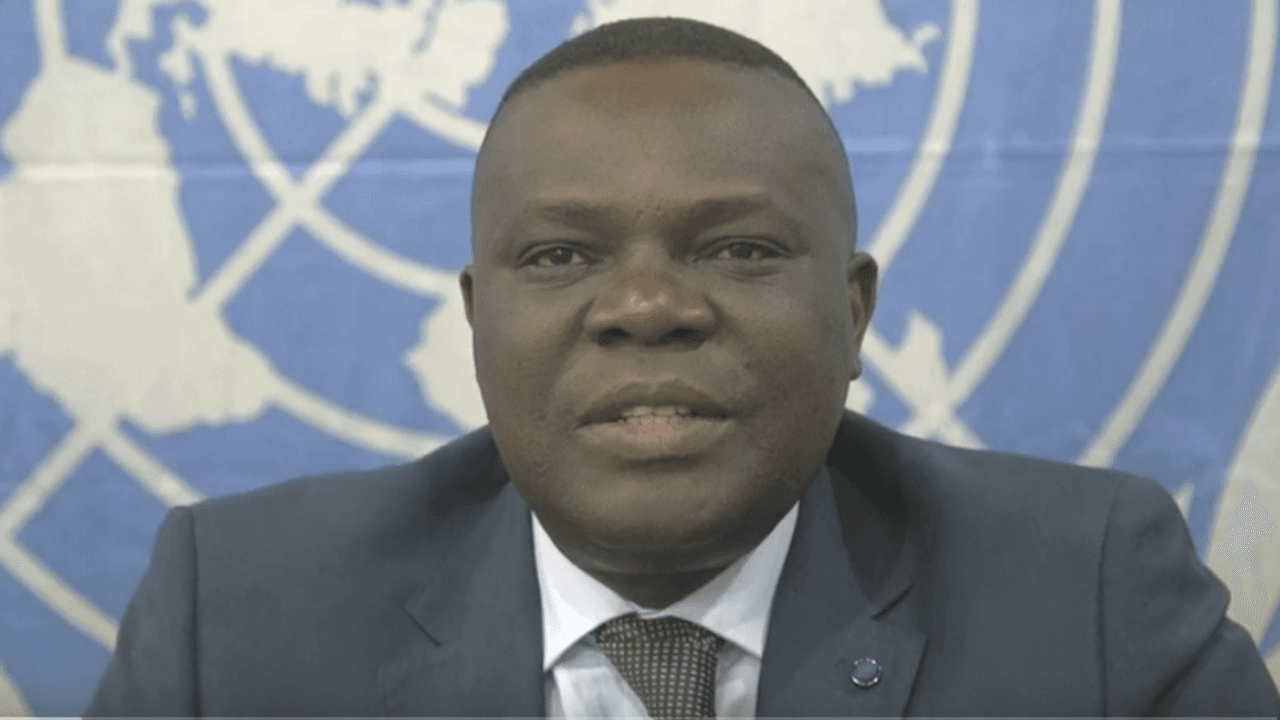
RFI: According to MINUSCA figures on which you rely, after a decline between the first and second half of 2021, human rights violations rose sharply again between January and June 2022. How do you explain that ?
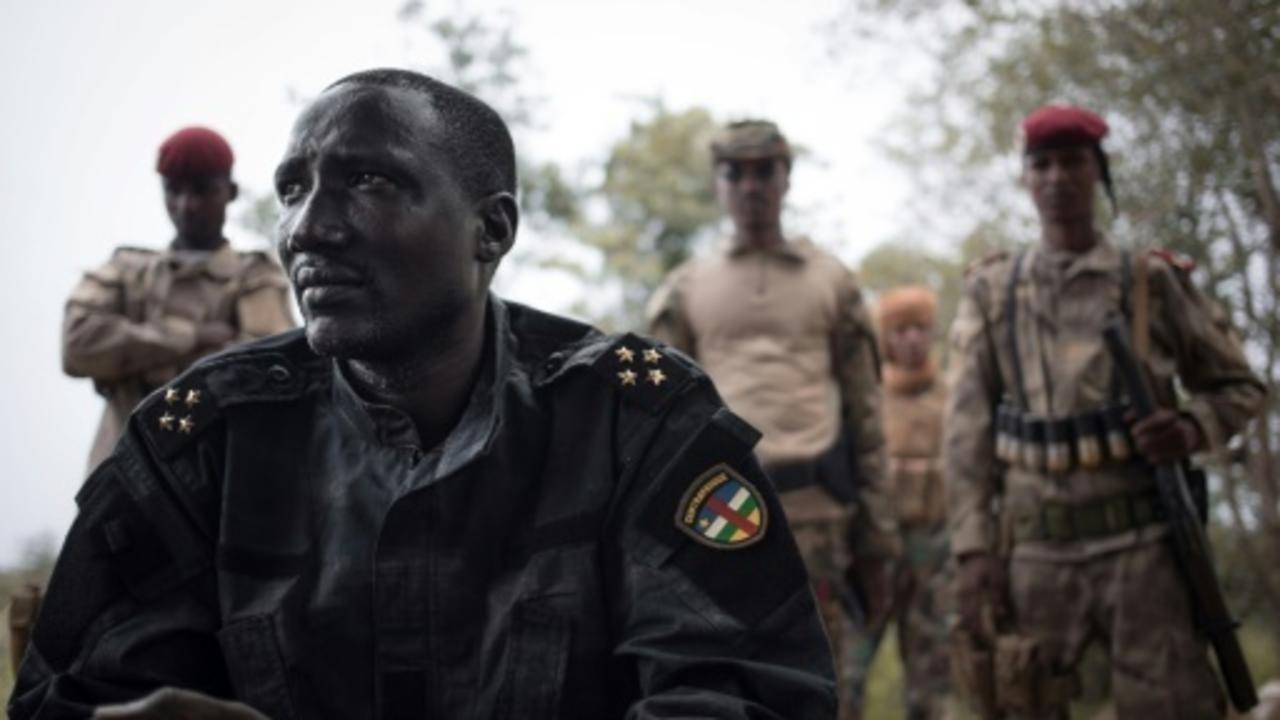
Yao Agbetse: From January to June 2022, more than 436 incidents were documented involving more than 1,319 victims, and what mainly explains this situation is that there has been a resurgence, in fact, among armed groups over the past three months. We see that movements that are part of the CPC (Popular Front for the Rebirth of the Central African Republic) regularly attack FACA positions and civilian populations throughout the country, notably in the north-east, in Haute-Kotto, at Ouadda Djallé near the border with Sudan, in Vakaga, at Dimbi in Basse-Kotto. So throughout the country, there are these attacks by armed groups, particularly the CPC and more particularly the UPC (Popular Front for the Rebirth of the Central African Republic).
► Read also: Central African Republic: alarming assessment from MINUSCA chief
Yao Agbetse, one of your concerns is that tensions between Bangui and financial partners who have cut their direct budget support will have a strong impact on respect for human rights in the country. You say, " if the current critical situation continues, the CAR faces the risk of collapse ".
Absolutely. The budget support that was agreed since 2021 and which represents approximately 5% of GDP has not been released by the World Bank and the European Union. This raises a problem in terms of the capacity of Central African authorities to implement programs and in particular to finance essential public services. Technical and financial partners, notably the World Bank, the European Union and the IMF, are criticizing the State for not complying with a number of criteria and conditions that were originally agreed upon, and that there is a lack of transparency, particularly concerning expenditures related to security. Certainly, I fully understand that donors can expect Central African authorities to comply with the agreements that were originally agreed upon. And therefore, regardless of the decisions, regardless of the shortcomings found, it is necessary that donors take into account a number of factors. Notably ensuring that development projects, social projects, humanitarian projects are not harmed precisely by sanctions related to non-compliance with the commitments made by Central African authorities.
► Read also: World Bank awaits responses from Central African Republic to disburse its aid
You do note progress on certain fronts, notably the opening of hearings at the Special Criminal Court in Bangui, but also convictions in cases of sexual violence.
Absolutely: on April 19, 2022, the solemn opening of the first trial of the Special Criminal Court, the case of the killings in Koundjili and Lemouna in 2019, took place. But the fight against impunity does not end solely at the level of the work of the Special Criminal Court, the SCC: it is also being waged at the level of ordinary courts. There have been criminal sessions on sexual violence linked to conflict at the level of the Bangui Court of Appeal. Seven cases of violence were tried and resulted in convictions of the alleged perpetrators. And therefore the fight against impunity goes beyond even the SCC, the courts, but also at the level of the CVJRR (editor's note : Truth, Justice, Reparations and Reconciliation Commission) which, through its non-judicial action, complements the judicial aspect at the level of the SCC and ordinary courts.
► Read also: Central African Republic: false start for the Special Criminal Court's first trial
Nevertheless impunity persists, we saw that well with the case of Minister Hassan Bouba released despite proceedings against him at the SCC.
Obviously, this question is very troubling. The SCC had initiated a number of proceedings against Minister Hassan Bouba. You know: Hassan Bouba comes from the armed group UPC and is now a member of the government. And when the proceeding was initiated, it happened that, at the moment when he was supposed to be brought before the Special Criminal Court, the personnel sent by the SCC could not have access to the defendant, to Bouba who in the meantime had returned to his home. This situation is not conducive to the direction desired by the head of state who, in his inaugural address of March 30, 2021, elevated the fight against impunity to the rank of national priority. That is why I call on Central African authorities to formally surrender Mister Hassan Bouba to the SCC so that justice may be served.
► Read also: CAR: indicted for crimes against humanity, Minister Hassan Bouba released from prison
Our editors' picks of what matters. Monday to Friday.
By subscribing, you accept our privacy policy.