Article
Preparing the article…
If a translation is needed, this may take a few seconds.
If a translation is needed, this may take a few seconds.
The legislative body of the transition adopted on Wednesday, May 11, in plenary session the timetable that should allow the return to constitutional order. It was expected, but the vote held a surprise: the duration of the transition was revised downward. With our correspondent in Conakry,…
With our correspondent in Conakry, Matthias Raynal
Three votes against and one abstention. The overwhelming majority of counselors gathered for the plenary session of the CNT (National Council of Transition) ultimately opted for the timetable that had been submitted to them. With one caveat. The duration of the transition was revised slightly downward: 36 months instead of the 39 proposed by the head of the junta, Lieutenant-Colonel Doumbouya.
In turn, the rapporteurs of the various commissions of the legislative body of the transition described the debates their members had earlier that morning. Some would have wanted to exit the state of emergency more quickly. Others questioned the procedure and the legitimacy of the CNT to unilaterally ratify the transition program.
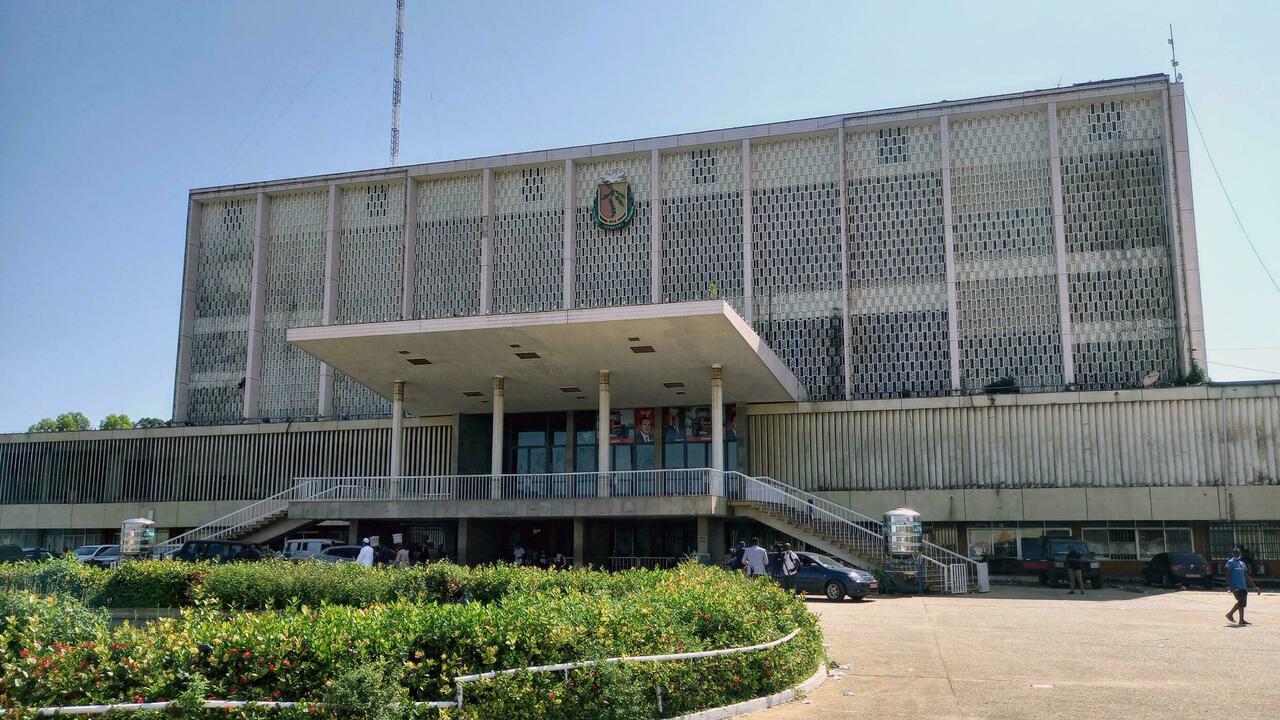
The discussions were called hastily in any case. In a statement read on public television yesterday evening, the president of the CNT announced the holding of a plenary session this Wednesday in late afternoon. It lasted barely two hours. In the People's Palace, behind the podiums, applause crackled from time to time from counselors in favor of the vote. During the voice vote, it was a forest of hands that suddenly rose before the president of the National Council of the Transition.
But dissenting voices were also heard. Only three counselors voted against. The atmosphere became tense at times, as when Mamadou Faza Baldé left before the end of the session after a heated exchange with the president of the CNT. He was asking to speak and ultimately decided to leave the room because he was unable to take the floor. "The procedures that led to this plenary were skewed from beginning to end. You can't call us to commission work in the morning on such essential matters. And at 4 p.m., you tell us to go into a room to vote on a document whose contents we don't even know!" he complained.
Some counselors describe heated exchanges too in the morning. "What was essential for us was the necessity of a certain number of activities that we consider indispensable if we want to succeed in this transition but above all if we want to manage to set up transparent, free, uncontestable elections," explains Ibrahima Sorel Keita, president of the CNT's foreign affairs commission.
The main political parties united within the G58 reject any transition timetable validated by the National Council of the Transition (CNT) on Wednesday. The political establishment believes that the CNT neither has the prerogatives nor the legitimacy to determine the duration of the transition. The G58 political parties want the transition timetable to be adopted by mutual agreement with them.
"The CNT which is being given today the power to decide has absolutely no such prerogative. The role of the CNT is clear, it is to legislate in place of a national assembly. The course of action is inclusive dialogue, which brings to the table the CNRD (National Committee for Rally and Development) facing the political establishment and social actors with the international community. The choice of duration is up to, according to the terms of article 77 of the charter, the CNRD and the vital forces of the nation which are none other than the political actors and civil society," responds Joachim Millimono, in charge of communications for the UFDG, signatory of the G58.
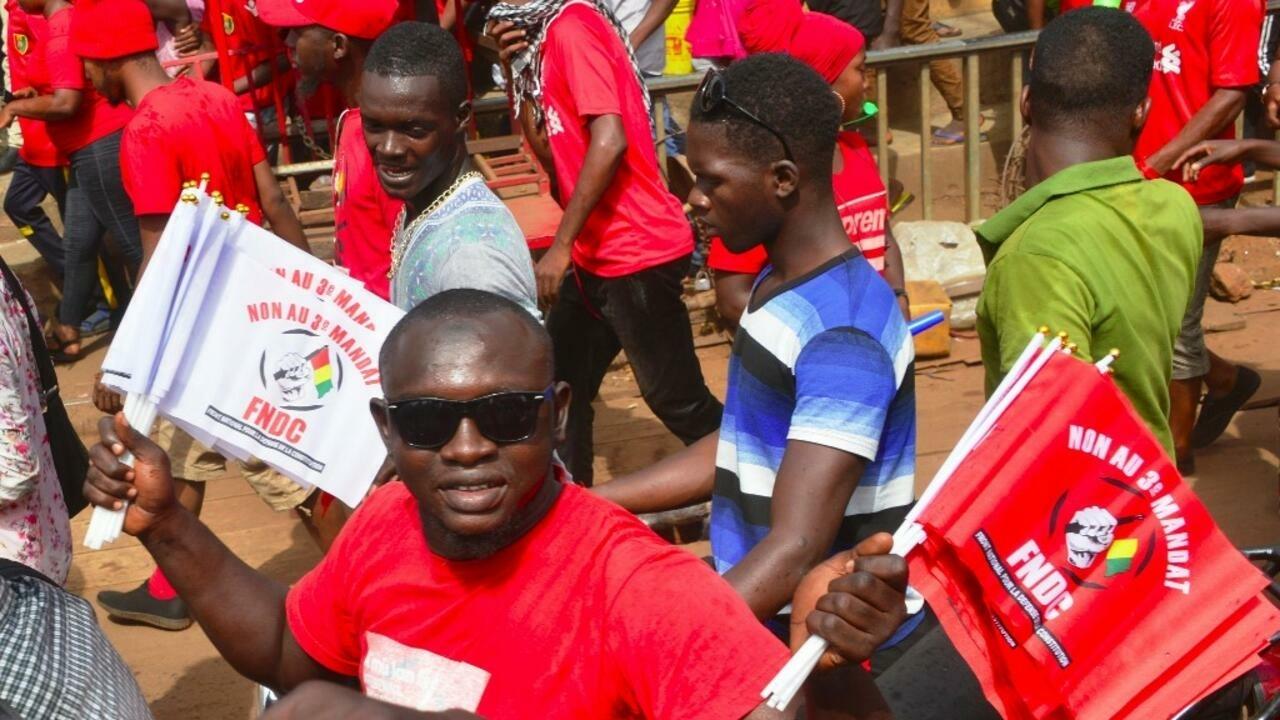
In the evening, the FNDC announced that it rejected the duration of the transition and plans to organize demonstrations to make itself heard.
54 GUINEA _Sound MORNING The G58 rejects any timetable validated by the CNT
Our editors' picks of what matters. Monday to Friday.
By subscribing, you accept our privacy policy.