Article
Preparing the article…
If a translation is needed, this may take a few seconds.
If a translation is needed, this may take a few seconds.
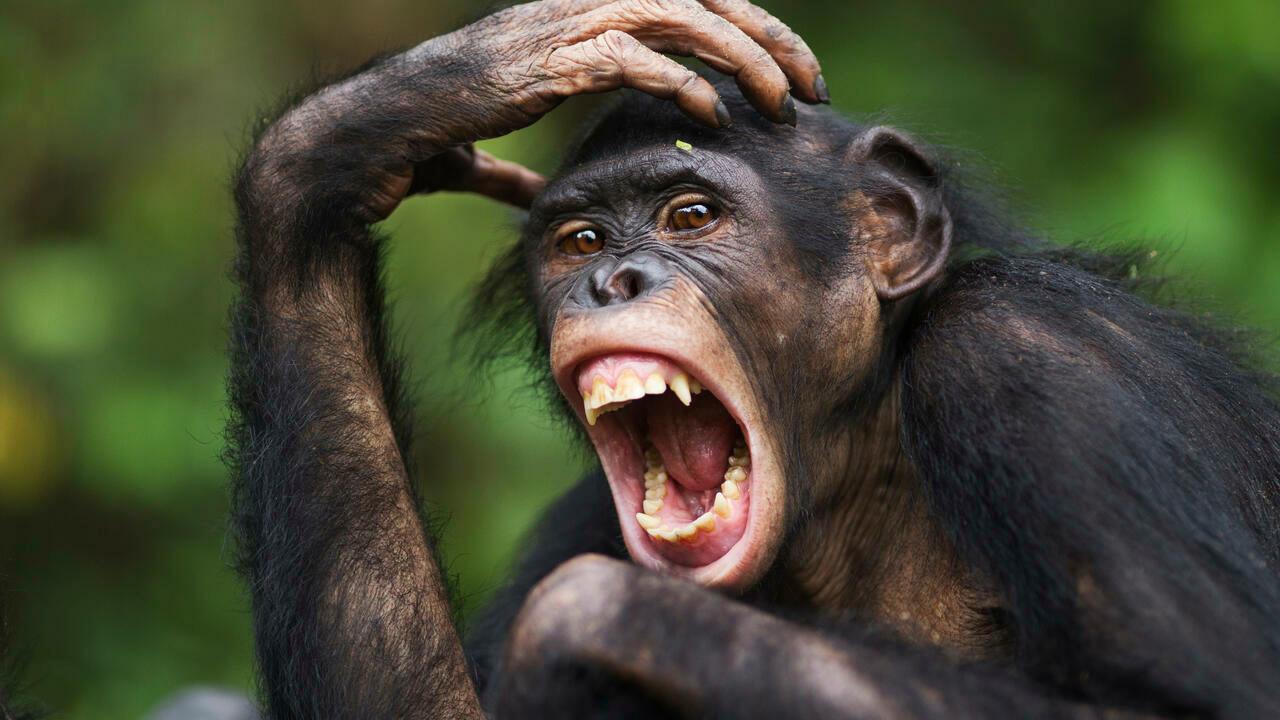
Guinea is the West African country with the most wild chimpanzees. They are particularly numerous in the mountainous Fouta-Djalon region. But cohabitation has become difficult in recent years with the local population. In Mamou, Guinean media recently reported several cases of "attacks" perpetrated by chimpanzees.
From our special correspondent in Mamou,
In December, an online news site ran the headline: "Protected chimpanzees sowing terror near Mamou."
"Here is the child who was injured, as you can see. His parents took him and sent him to the hospital, and almost all the radio stations covered this story," says Lansana Kémo Keïta. He is the head of the regional unit of the Wildlife and Flora Crime Control Brigade in Mamou. He shows us a photo of a young Guinean. His head is covered in bandages, each one marking a scratch. "The mother and child were in the fields. While the mother was working, the child was alone. That is when the chimpanzee came and took the child," he adds.
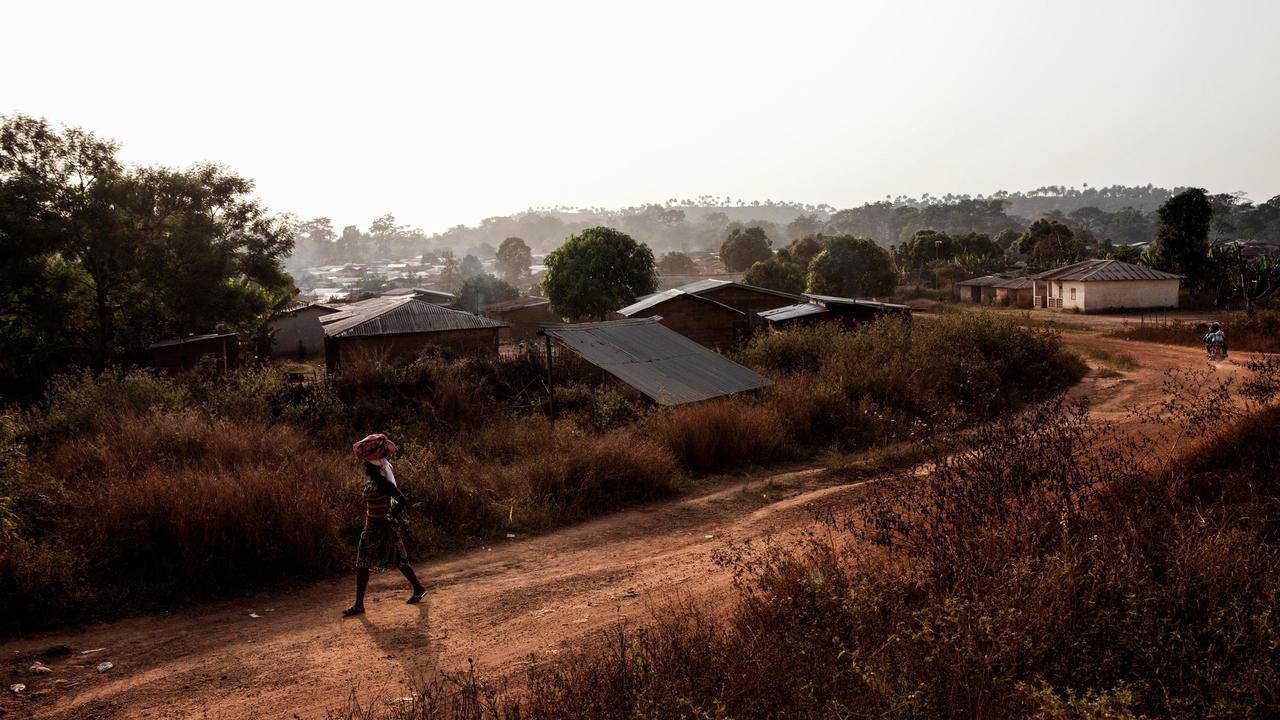
The media and residents speak of an abduction. Chimpanzees fuel all kinds of fantasies. The reality is less sensational. According to Ibrahima Keita, nature conservator and prefectural director of the Environment and Sustainable Development for the Mamou prefecture. "The ecological niche of chimpanzees is the various classified forests. Given population growth, the forests are surrounded by villages. Their habitat is restricted. Inevitably, there is conflict," he explains.
► Read also: Guinea: meeting the orphans of the Chimpanzee Conservation Center [1/2]
Normally, chimpanzees flee from humans. In Mamou, they are cornered and no longer have this option, so they choose to attack to ensure their survival. Human pressure has become too intense, as it has 10 kilometers north of the city. "This is Kunu forest. Now, look, the population is right next to the forest," shows sergeant-major Yakwé Guilavogui, who takes us to meet the residents. "We have so many problems. Our work here is awareness-raising so we can create good collaboration. Otherwise, it cannot work," explains Yakwé Guilavogui.
Chimpanzees find themselves in competition with humans for the exploitation of natural resources, according to local youth leader Mamadou Madiou. "To fetch water from the rivers, it is the adults who go in the morning or toward evening to avoid encountering the chimpanzees," indicates Mamadou Madiou.
The chimpanzee is nicknamed the gardener of the forest. Its disappearance could cause an impoverishment of vegetation biodiversity in Fouta-Djalon.
Our editors' picks of what matters. Monday to Friday.
By subscribing, you accept our privacy policy.