Article
Preparing the article…
If a translation is needed, this may take a few seconds.
If a translation is needed, this may take a few seconds.
How can the mining wealth beneath the soil be leveraged for the benefit of Cemac countries? The Economic and Monetary Community of Central Africa launched the project's development last week. An idea over ten years old but hampered by successive crises. Meeting by videoconference on Monday, April 4, the…
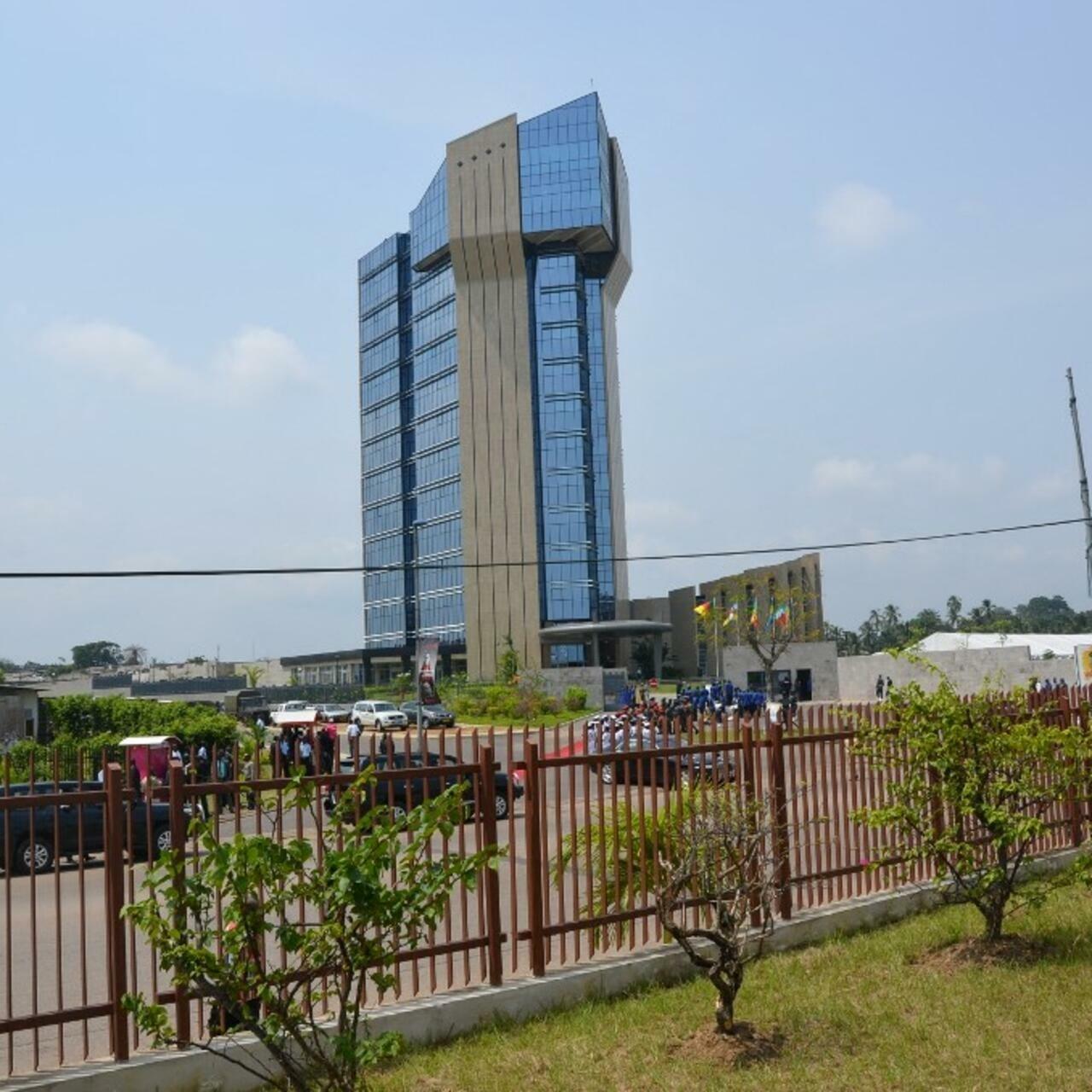
First, the diagnostic phase. A Cemac team is beginning a tour of the six countries to take stock of the situation, identify the strengths of each and areas where transnational projects can be developed.
Antoine Dembi Duval, director of industrial development, mines and tourism at the Cemac Commission, is currently on a mission in Douala. By way of example, he points to a paradox: Cameroon continues to purchase bauxite from abroad, the raw material used to manufacture aluminium, even though the country is home to a deposit with potential worthy of the world's largest projects.
Another paradox: Central Africa imports agricultural fertilisers that it could manufacture locally using the potash available in Congo.
A regional policy will aim, he explains, to industrialise the mining sector step by step and by segment, by transforming raw materials on site. A pooling of resources to manufacture alloys for construction materials in particular.
A long-term process because to develop a regional mining market, questions of energy and transport must also be resolved.
The next step for Antoine Dembi Duval and the Cemac team: Chad. And at the end of his regional tour, the drafting of an initial document, which is to be presented in early 2023.
►Also to read: Cemac has found 3.8 billion euros in investments for its infrastructure
Our editors' picks of what matters. Monday to Friday.
By subscribing, you accept our privacy policy.