Article
Preparing the article…
If a translation is needed, this may take a few seconds.
If a translation is needed, this may take a few seconds.
The Berlinale, one of the world's most important film festivals, has announced its awards, but the festival continues until February 20. The Panorama Dokumente section is showing the first Central African film ever presented at the Berlin International Film Festival and is receiving great acclaim from audiences. Interview with Rafiki…
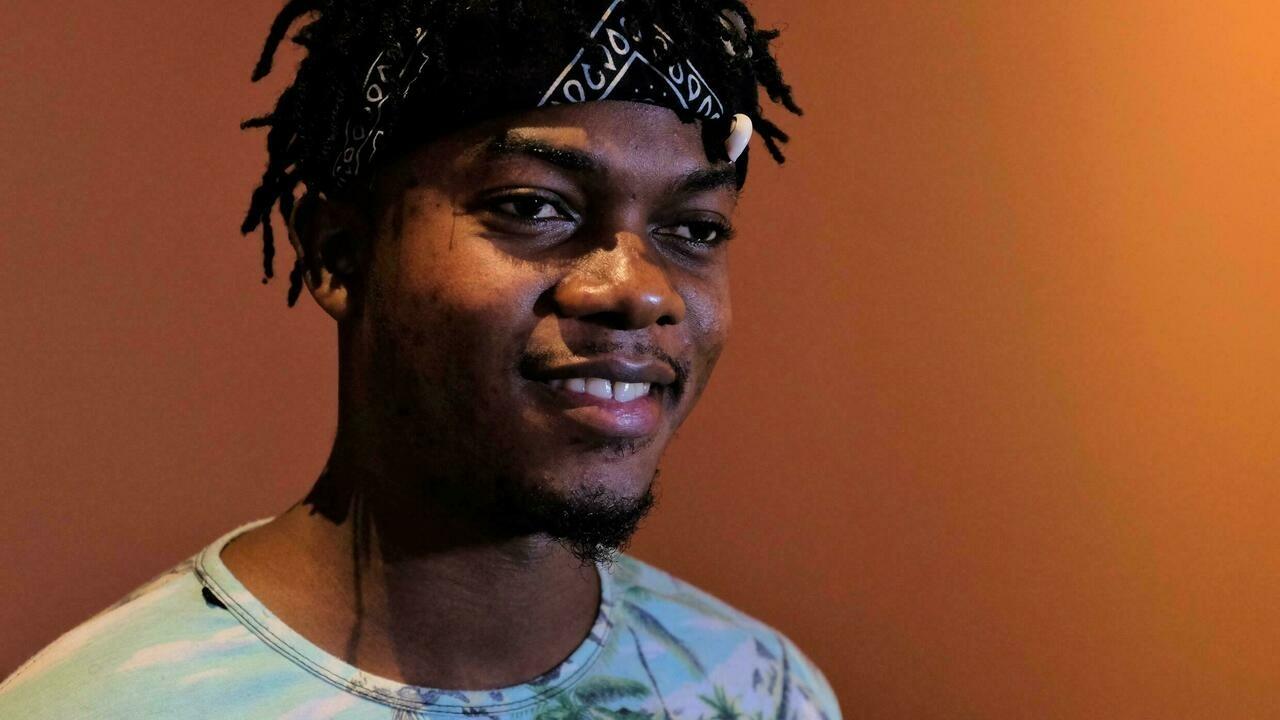
RFI: What does the exclamation point in the title of your film "We, Students!" mean?
Rafiki Fariala: It's really a way for us to assert ourselves. It's a way of saying: we are here, we, young students at Bangui University.
With your last film, You and Me, presented in 2019 at Fipadoc, you told us that most people don't even know how to find the Central African Republic (CAR) on a map. With your selection at the 2022 Berlinale, do you feel that you have put Central African cinema on the international cinema map?
I can affirm it. There has never been a Central African film at the Berlinale. This is the first time a film from the Central African Republic is showing at the Berlin International Film Festival. For us, it's a way to further highlight Central African culture and to index it even more by saying: we, students of the Central African Republic, we are here and we are presenting ourselves on the international stage. We are showing our culture to the whole world.
► Also to read:Berlinale 2022: with "Father's Day", Kivu Ruhorahoza examines absent fatherhood in Rwanda
Your film begins with a close-up of a student's eyes who will sing us a song. What were you able to read in the eyes and heart of this young person?
Presenting this eye is presenting ourselves and saying: look at this innocent eye, the eye of a young person who is seeking how to present himself, how to assert himself, to present his youthful innocence. And to express his dreams, his ambitions, his hopes, his difficulties. What does it mean to be a student at Bangui University? Everything is in this gaze, behind the camera, and in front of the camera.

We, Students! addresses many things: corruption at the university, the daily life of students, first loves… What sparked your desire to immerse us in this university campus in Bangui?
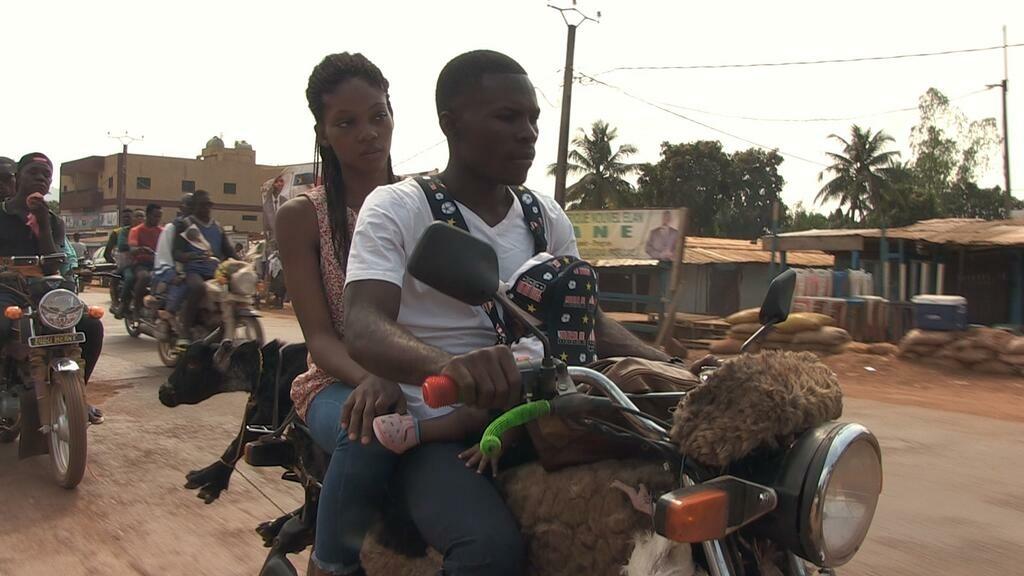
The film has no political goal. It's a film that talks about us, about our daily lives, our dreams. That doesn't prevent the fact that in our lives, we have difficulties. Some professors are almost always absent. Young girls are harassed by certain professors and cannot advance. Boys cannot approach girls at the university, because the girls are coveted by professors and they have to repeat their first year. We sleep on benches. The professors are always absent, because they are poorly paid and prefer to work in private universities. So we are stuck, but we try through this film to tell our daily life, despite the difficulties, despite the fact that we have only one university and that things are very difficult.
The Central African Republic covers 623,000 square kilometers, but at the university, we are packed like sardines, because there are not enough benches. Despite everything, we still try to study and we tell ourselves: things must move forward, we must move forward, because it is not the old who will change things, but young people. So, we young people must be able to have a voice, have a place, so that tomorrow, we can build the country, in our own way.
► Also to listen to: Berlinale 2022: Films from Africa
In your filmography, food holds an important place. For example, there is this scene where yogurt comes down from an ambulant vendor's head into the intimacy of two young lovers sharing the yogurt in a very particular way. What does this reveal to us about the state of mind and behavior of young Central Africans?
It's really our culture. It also shows that we manage as young people, despite all the difficulties we endure at the university and that we suffer in the daily life of this country that has gone through many crises and political chaos. We eat what we have. We make do with what we have on hand. This yogurt, for example, if it were young people pursuing higher education or in a well-developed country or students with lots of money, they might eat hamburgers with their girlfriend or their friends. We do with what we have. The yogurt is to say: "that, that's us". It's our culture, it's what we eat. It's our way of living. It's our country that we are showcasing.

Your film also addresses injustice ("those who produce wealth do not benefit from it"), corruption, the dreams of young people, the issue of abortion by quoting a student: "This is not a country where one wants to bring a child into the world, first we must change the country". What kind of reaction do you expect when you show this film in the Central African Republic?
Among young people, they will recognize themselves, because it speaks about us. It's our life. I also expect the voices of personalities, that they can recognize themselves and perhaps change things. In the manner of this youth that hopes for a better future. Of course, there are moments where we point out things at the university. Will that be appreciated by the "big shots"? Maybe not, but the film has no political goal or intention to attack or denounce. It speaks about us, our difficulties, our dreams and our hopes. It's us!
► Also to read: Interview with Carlo Chatrian, artistic director of the Berlinale, on the presence of African films: "We have made progress"
In the Central African Republic, will this film be perceived more as a documentary or a fiction?
It's a documentary film, even though there are scenes in the film that I reproduced in the form of fiction. For example, the scene with Aaron at the police station or the scene with Nestor at the market where he gets arrested by police. These are things I cannot capture directly. But it remains the reality that these same characters, my friends, truly experienced and lived on the ground. We didn't change anything, didn't invent anything. Everything is the truth.
Where and how will your film be shown or screened in the Central African Republic?
For now, the film is making its world premiere at the Berlin International Film Festival, but this film must also be seen back home. It's my distributor who is in charge of distributing the film. It will surely be seen as part of Afro-European festivals that take place every year in Bangui. And I would very much like this film to be shown at Bangui University, and why not, in the presence of personalities from the university and the country.
Our editors' picks of what matters. Monday to Friday.
By subscribing, you accept our privacy policy.