Article
Preparing the article…
If a translation is needed, this may take a few seconds.
If a translation is needed, this may take a few seconds.
Africa and the overexploitation of its fishing resources are the great absentees from this meeting that ends in Brest, regret both politicians and associations. The ocean summit being held in Brest in western France is set to conclude this Friday with a summit of heads of state and government.
The ocean summit being held in Brest in western France is set to conclude this Friday with a summit of heads of state and government. One of the stakes of this summit was to mobilize heads of state around the protection of the high seas, international waters, which represent nearly half of the world's surface but which are subject to no jurisdiction. An agreement is expected this year.
Congo's Minister of Environment Arlette Soudan-Nonault expects concrete results… and above all, that Africa be better taken into account, which is what she explained to the microphone of Jeanne Richard, special correspondent. "We speak throughout the various summits, the various forums that take place all over the world… And for what results? No one looks toward the Congo Basin!
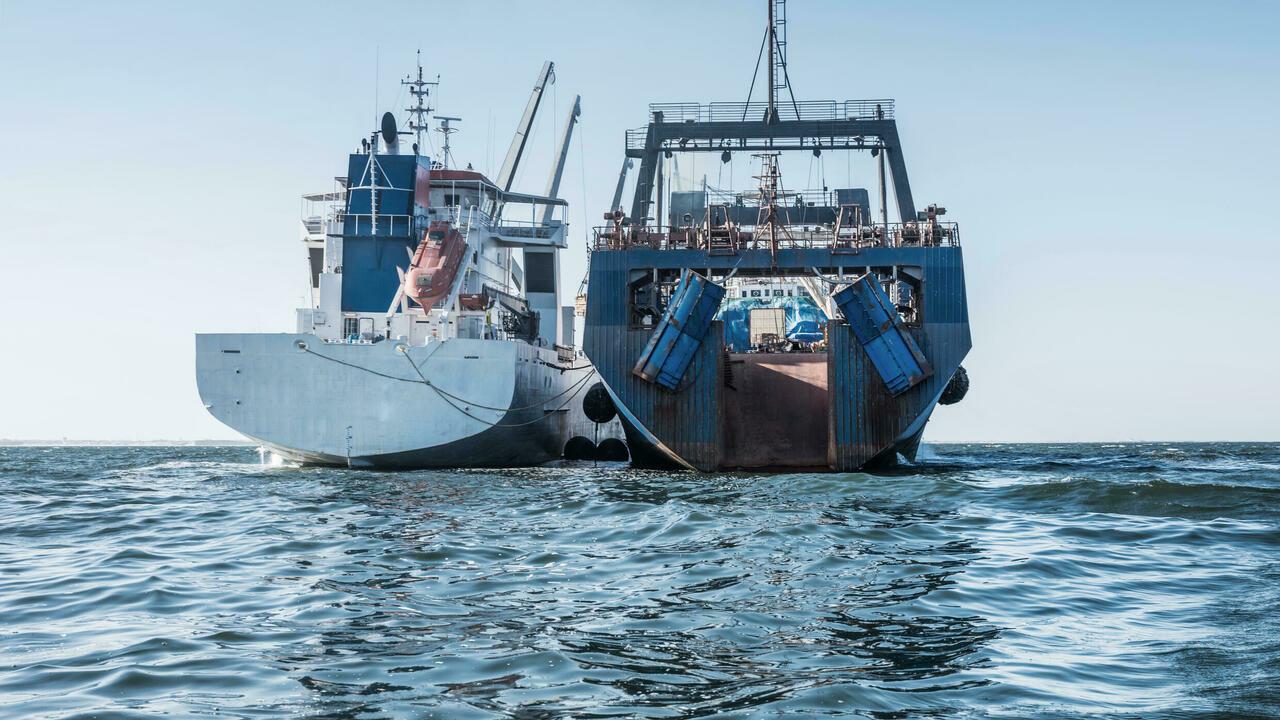
There is much pollution due to the exploitation of natural resources on the high seas, such as oil and gas. There are degassing operations on the high seas – cruise ships –, there are gangways that collapse, platforms that collapse… There are also large industrial fishing boats, which not only scrape the seabed, but often approach breeding grounds. And so, we pay the price for developed countries at the expense of our own states. So I would like, here, that we have a framework of international law, within the framework of the environment, that allows us to legislate with the same language. That would already be a great victory!"
► Also read: the account from Madagascar's Foreign Affairs Minister, Patrick Rajoelina
The same tone comes from Lamia Essemlali, president of the NGO Sea Shepherd in Europe, who deplores the fact that overfishing in Africa is the great absentee from the debates. There is a lack of real will, she believes, to provide means to states, particularly in the Gulf of Guinea, to control foreign vessels in African territorial waters. "The question of overfishing in Africa, notably in the Gulf of Guinea, where we have been very present for several years, is both environmental and also societal. Because in fact, we have foreign fishing vessels and notably European vessels, that are overfishing in African territorial waters.
Today, the European Union is the zone that imports the most fish. And more than half of this fish comes from developing countries and mainly from Africa. So it is fundamental to alert European and French public opinion about the origin of this fish. And then, our missions consist of limiting overfishing, of providing maritime means to African governments, which have the will to protect their territorial waters, to carry out inspections.
To give you an example that sums it all up: our first patrol in Gabon on the tuna fishing zones, we inspected a French tuna vessel. In this case, it was compliant, it had its fishing license. On the other hand, it told us: I have been fishing in Gabon for twenty years, this is the first time I have been inspected. So there is total impunity, due to the lack of means to control extremely rich fishing zones, which will ultimately supply European markets".
►Also read, the account from journalists from the Argos collectiveon working conditions in Chinese boats off Gabon
Our editors' picks of what matters. Monday to Friday.
By subscribing, you accept our privacy policy.