Article
Preparing the article…
If a translation is needed, this may take a few seconds.
If a translation is needed, this may take a few seconds.
After postponing the inclusive national dialogue to May 10, 2022 instead of February 15, the Chadian government wanted to explain to its partners that it is trying to do things right and would like to count on them. The Chadian foreign minister took care to explain in person to the diplomatic corps the reasons for postponing the inclusive national dialogue, a process that should allow Chad to refound its political system.
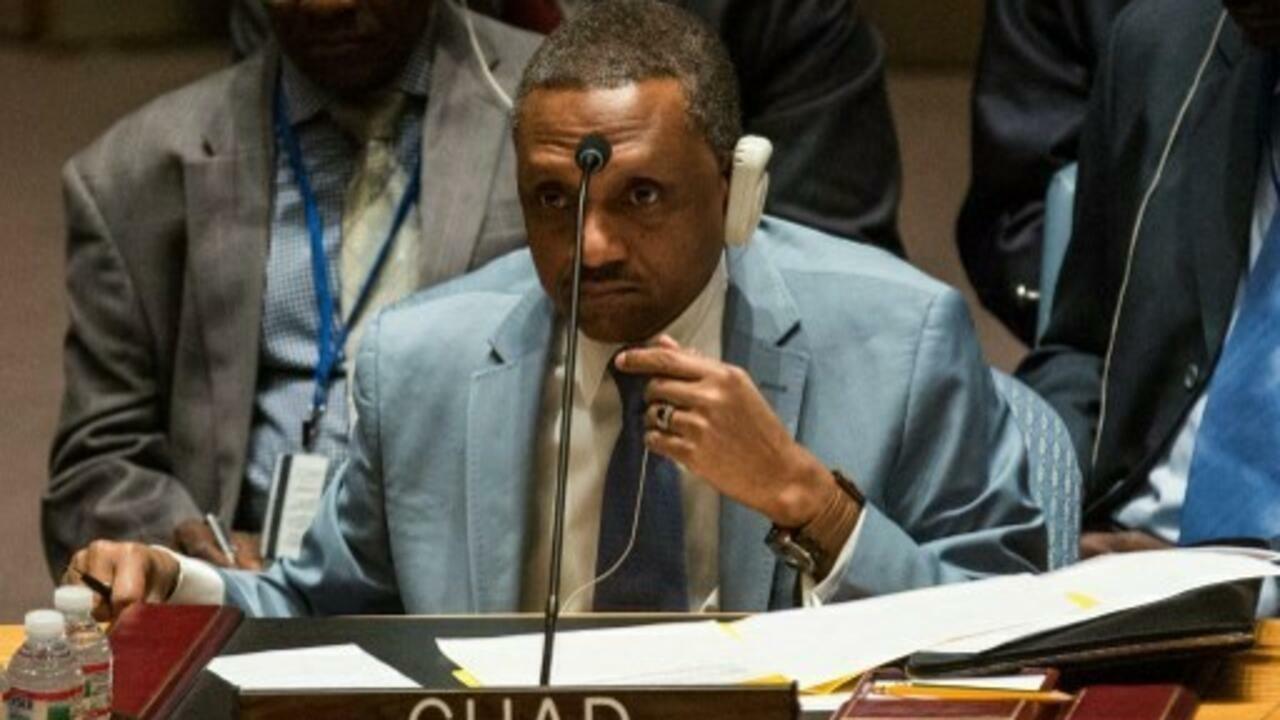
From our correspondent in Ndjamena, Madjiasra Nako
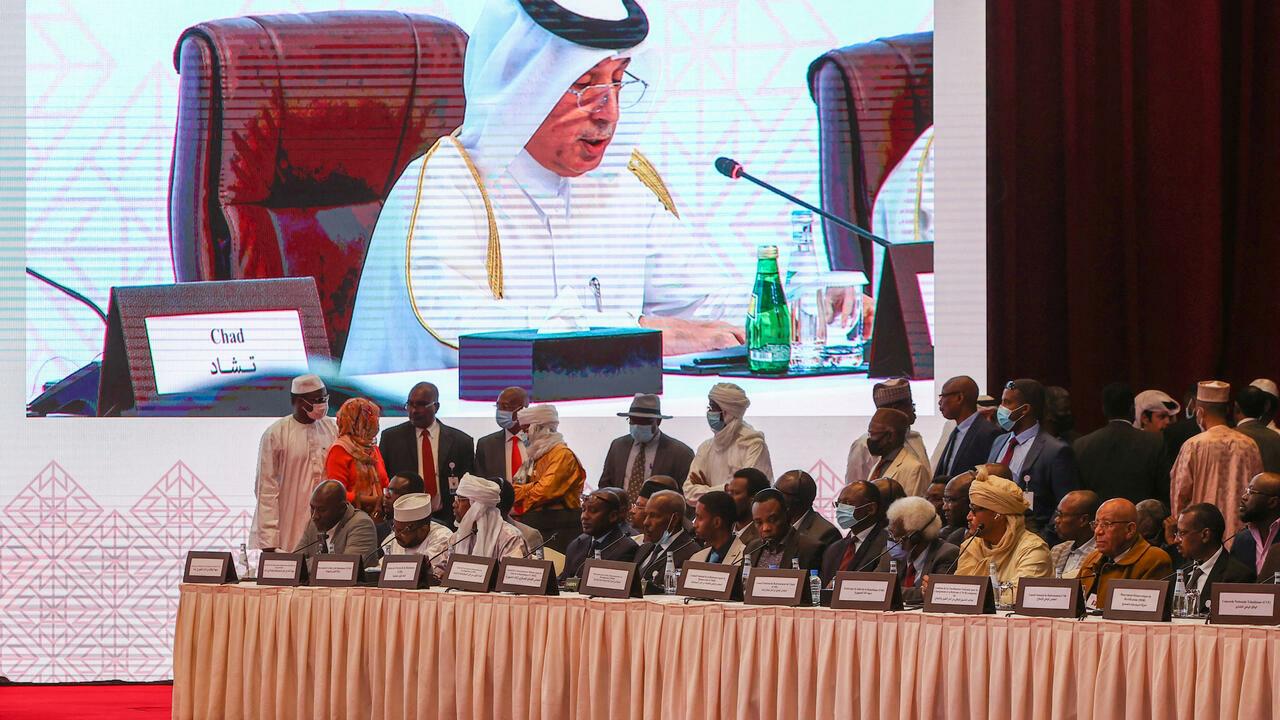
If the inclusive national dialogue is being postponed, it is to allow Qatar, which has offered to host the pre-dialogue of politico-military movements, to better prepare their participation.
"This postponement has as its sole objective the success of the pre-dialogue and the concerted participation of all stakeholders in the inclusive national dialogue," explains the head of Chadian diplomacy, Chérif Mahamat Zène.
But to carry the transition to completion, the government needs international solidarity, the Chadian foreign minister recalls. "The government is counting on your understanding and your spirit of solidarity to bring the transition to completion. In this regard, it is important to emphasize that mobilizing the resources necessary to implement the roadmap remains a major concern of the transitional government."
A solidarity that remains, however, conditional on signs of democratic openness. On this point, the junta wanted to reassure: Chérif Mahamat Zène affirmed that the postponement of the dialogue does "not fundamentally call into question" the holding of elections before the end of the year.
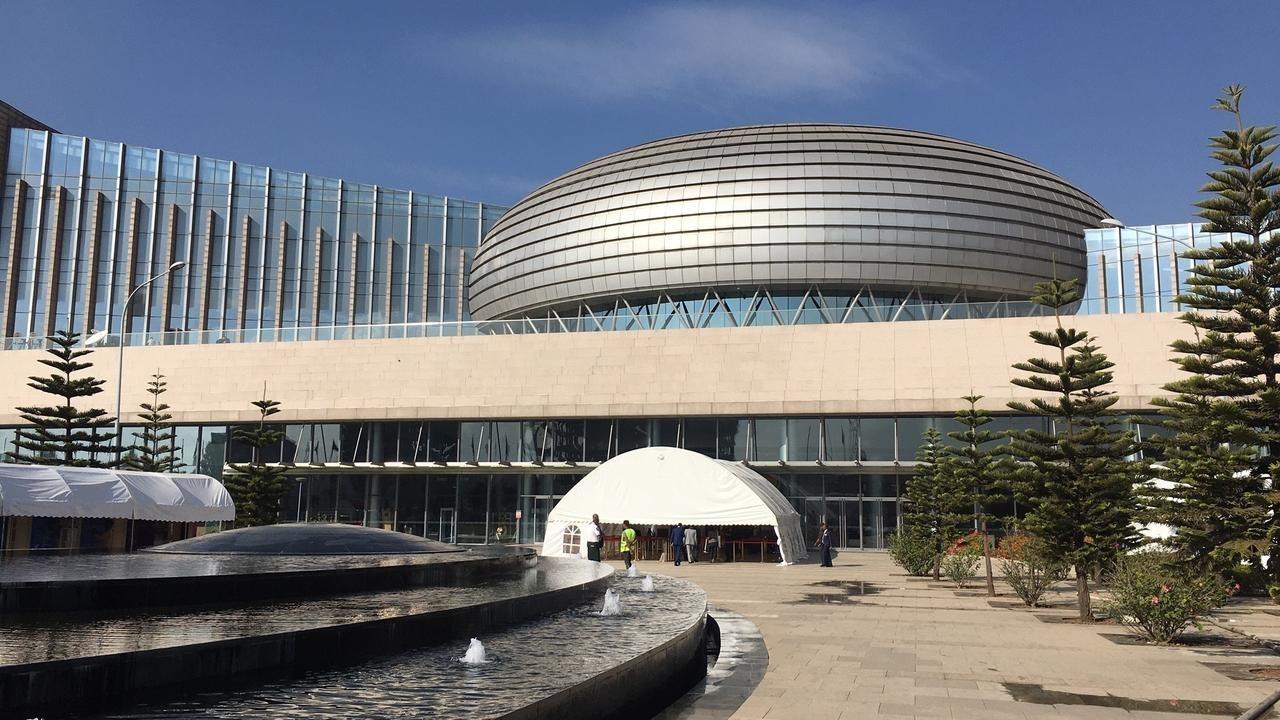
An important point for the African Union. For although it had required an 18-month transition, the organization considers this postponement acceptable as long as this transition does not exceed the end of the year. "We are not going to stray too far from the transition period that was set, estimates its representative Basil Ikouébé. It is true that it was 18 months that was supposed to run until October but the timeline does not take into account a reality: that of the rainy season. And it has never been possible to organize elections during this period, otherwise we will exclude a large part of the population from the process. So we had already considered a slight shift. Instead of holding elections in August-September, we could consider holding them from October onwards. It is just that we organize them before the end of the year, that is to say no later than December."
These reasons are justified, all the more so since the pre-dialogue component with politico-military groups was an essential condition if we wanted an inclusive process. Politico-military groups are part of the problem but also part of the solution, so we could not exclude them.
Basil Ikouébé, representative of the AU
Our editors' picks of what matters. Monday to Friday.
By subscribing, you accept our privacy policy.