Article
Preparing the article…
If a translation is needed, this may take a few seconds.
If a translation is needed, this may take a few seconds.
Economically, Idriss Déby will not go down in his country's history as a great builder or architect of development. His country ranks at the bottom of global development rankings. The oil revenue that began in 2003 has done little to help the population. 187th out of 189 countries,…
187th out of 189 countries—that is Chad's position in the United Nations Human Development Index. Health, education, standard of living: Chad lags far behind. One in five children dies before age five and 40% of survivors suffer from stunted growth due to poor nutrition.
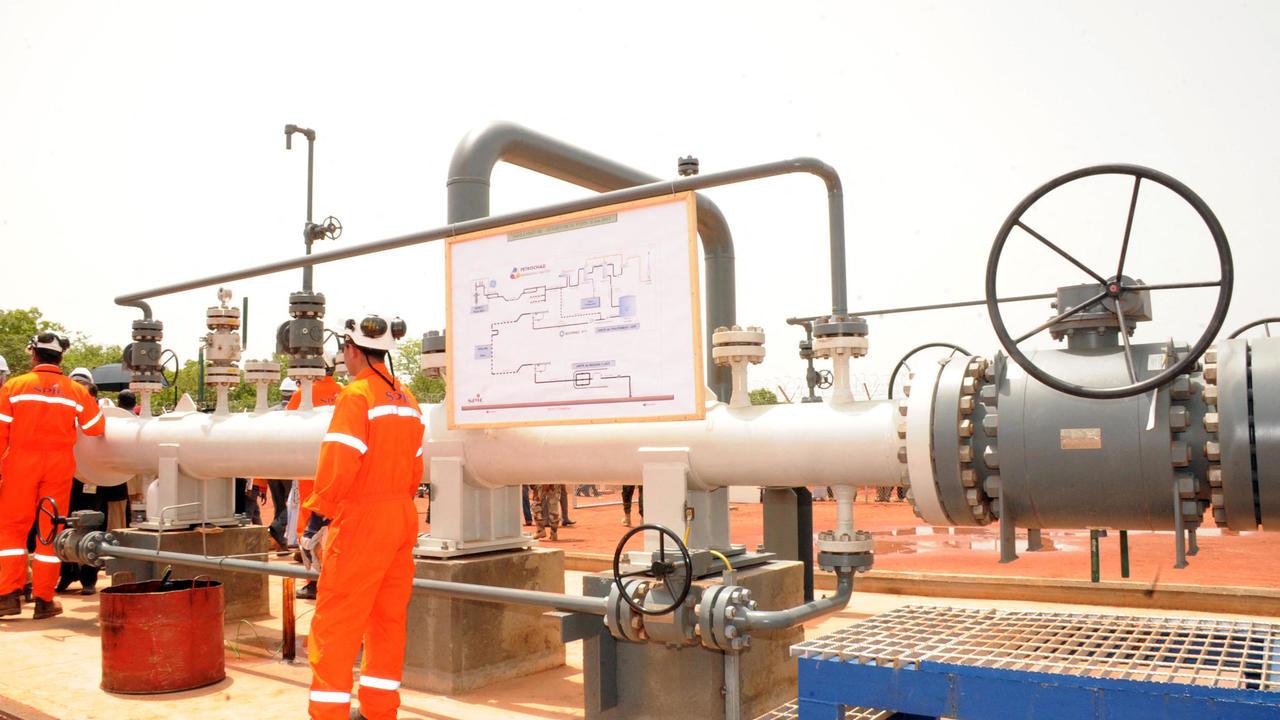
In 2003, however, hope was permitted with the beginning of oil exploitation. Unfortunately, this revenue was never properly distributed, which moreover sparked a long dispute between Ndjamena and the World Bank. Oil even widened inequalities, complain NGOs. Currently 42% of Chadians live below the poverty line, according to the World Bank.
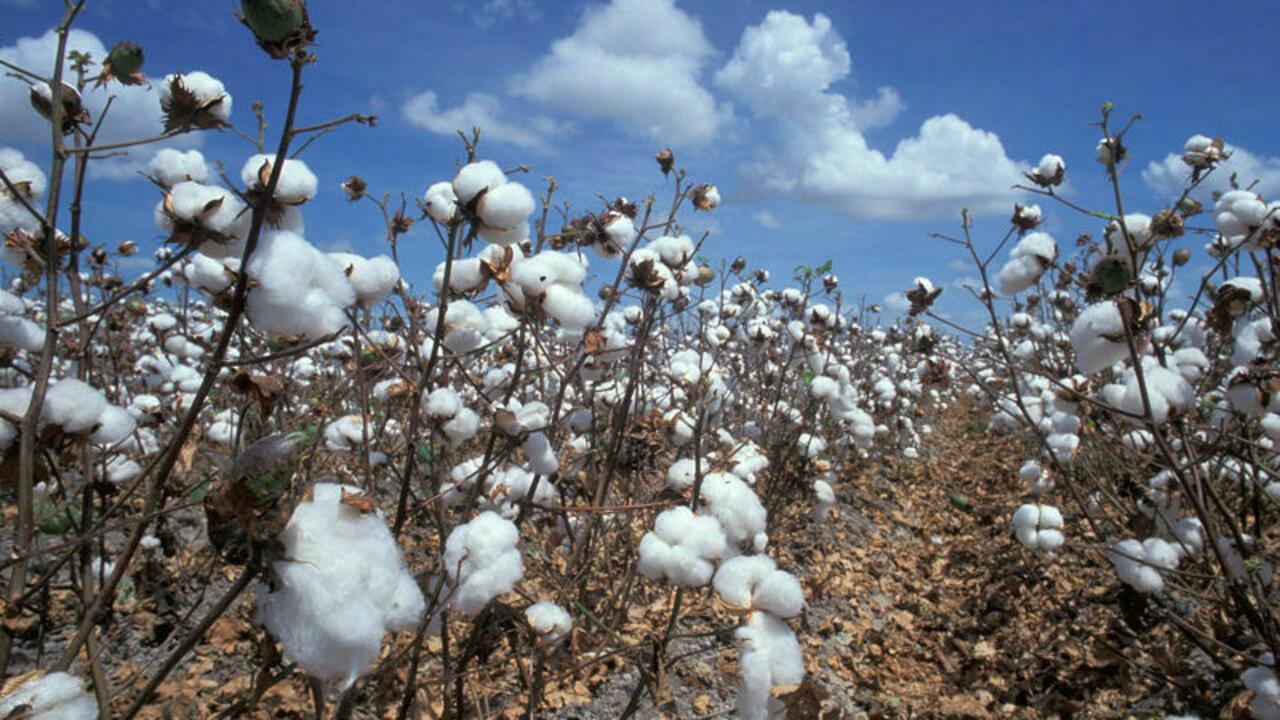
The second pillar of the economy, cotton, experienced a long crisis beginning in 1990 before recovering somewhat in 2018 under the impetus of Singaporean company Olam, which bought CotonTchad and revived the textile industry. A small ray of sunshine also for livestock. One of the rare sectors in the country that has developed in thirty years. Chad is the third-largest producer of beef in Africa.
The country remains, however, under-equipped in virtually all sectors. The Covid-19 crisis came to worsen a difficult financial situation. Chad was the first country during the pandemic to request debt restructuring from the IMF.
►Also to read: Africa Economics – Floods Impede the Economy in Chad
Our editors' picks of what matters. Monday to Friday.
By subscribing, you accept our privacy policy.