Article
Preparing the article…
If a translation is needed, this may take a few seconds.
If a translation is needed, this may take a few seconds.
For six months, fertilizer prices have been climbing. As a result, some farmers are forced to reduce their use on the African continent. A trend that will not be without consequence. West African farmers are the big losers on the fertilizer market this year. Prices have reached record highs. And...
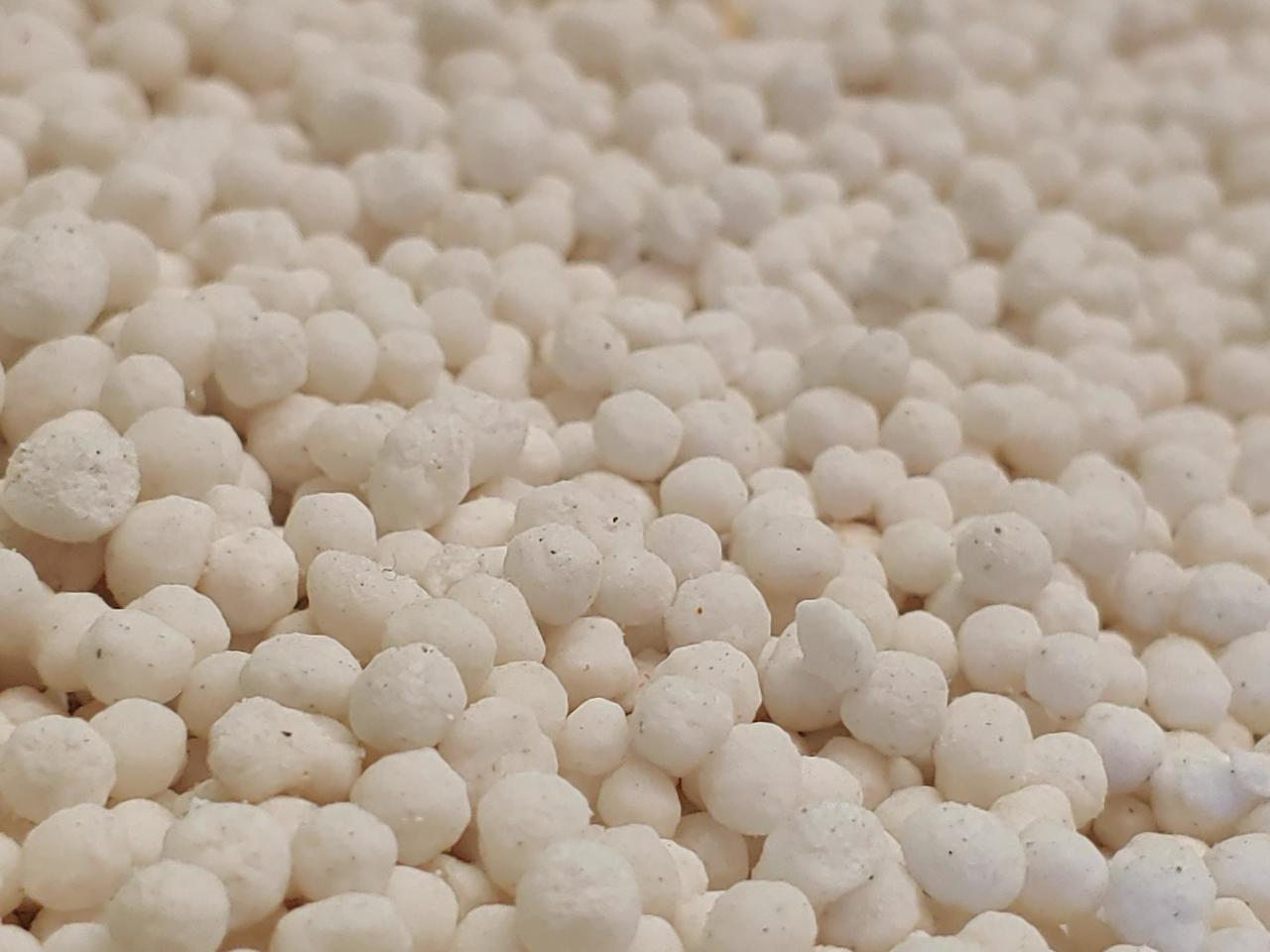
West African farmers are the big losers on the fertilizer market this year. Prices have reached record highs. And some operators find themselves in difficulty because they failed to place their orders in time.
DAP, the most widely used phosphate fertilizer, has seen its price double in six months to reach $600 per tonne. Urea, which belongs to the family of nitrogen fertilizers, has suffered the same fate and remains at very high prices even if the trend is downward.
The reason is to be found in the price of fertilizer components, which have increased. For example, the price of DAP depends on that of sulfur, which has risen from $70 last summer to $230 today.
Another explanation is the explosion in the price of agricultural commodities: it has done well for the wallets of large growers. When in normal times they would buy ten sacks of fertilizer, they now buy 15. This creates demand pressure on prices. Not to mention the increase in freight costs.
In normal times, West African farmers already use 8 times less fertilizer per hectare than the world average according to the African Development Bank. But this year that figure could drop even further... Some countries like Burkina Faso, Togo and Mali have barely bought fertilizers in recent months, confides a trader in Geneva.
Input importers did not anticipate market trends, and when they wanted to place their orders at the end of 2020 for delivery in the first quarter of 2021, they had nothing but their eyes to cry over the price curve. The story does not say whether they also had to console the farmers who inevitably in some regions begin their planting today with less fertilizer... and in fear of a poor harvest next year.
Other countries like Benin are faring better. But there for structural reasons, the president is himself invested in the cotton and fertilizer sector, and knows where and when to buy so as not to get caught in the trap of the international market.
Our editors' picks of what matters. Monday to Friday.
By subscribing, you accept our privacy policy.